
Move Out Mates / Acton
End of Tenancy Cleaning in Acton
If you are leaving a furnished flat in Acton, the difficult part is deciding which surfaces belong to the tenancy clean and which belongings still need to leave.
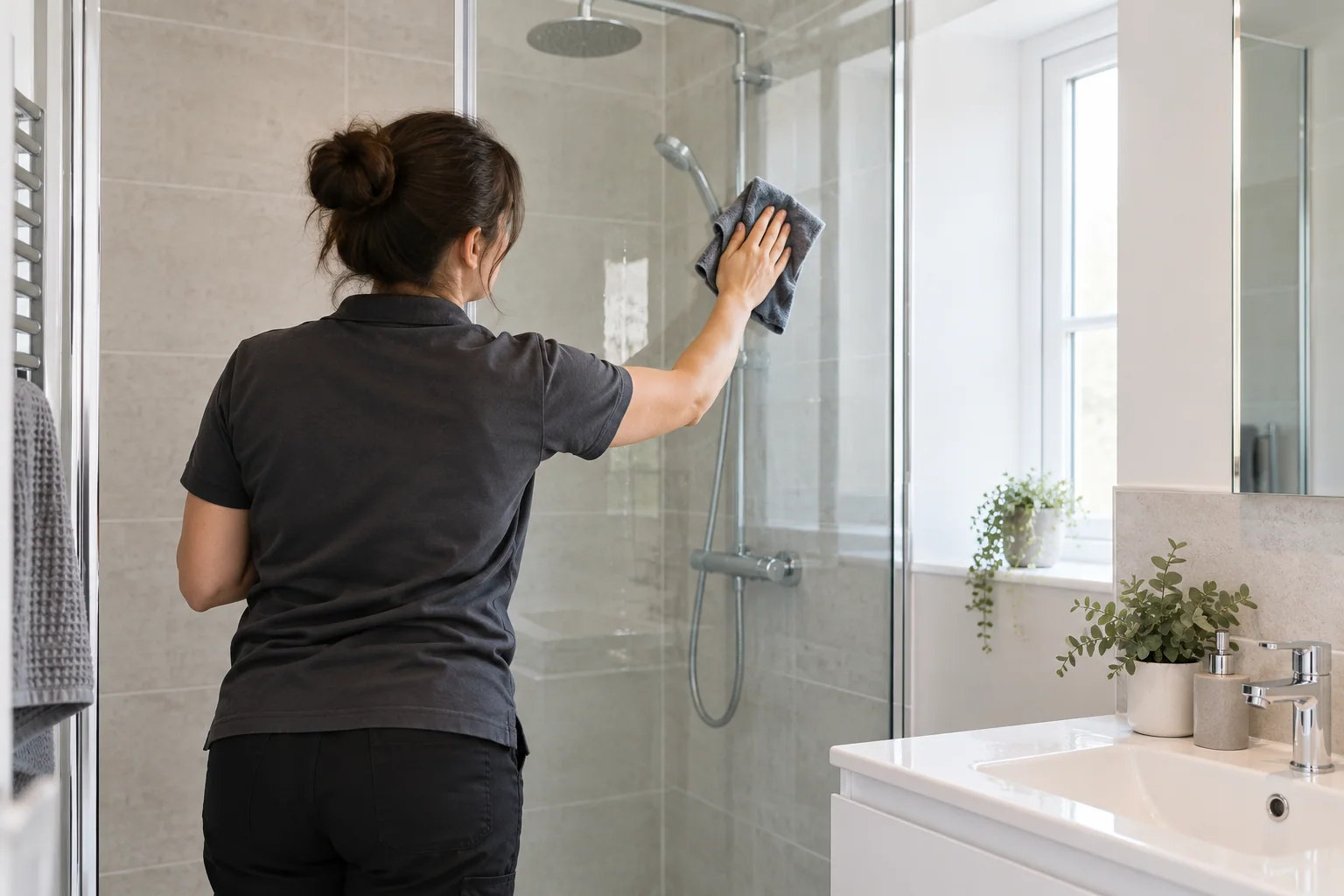
Start with the inventory, not an empty-room assumption
Acton addresses may fall in W3 or W4; give the full postcode from your tenancy paperwork so we can check the correct property and access arrangement. A cleaner can work around an occasional item, but a wardrobe full of clothes or a kitchen cupboard full of food changes the job. Before asking for a price, identify what stays with the property, what is yours, and when the rooms will be accessible. We can then discuss a cleaning plan that fits the handover condition rather than quoting from the number of bedrooms alone.
Look at the check-in inventory and any later written agreement about furniture. A furnished Acton flat may still contain a landlord’s bed, dining table, sofa and appliances after you move out. Those items need to be identified in the quotation so accessible surfaces around and beneath them can be considered. If you are uncertain who owns a piece, ask the landlord or agent before moving it; the cleaning visit is not the time to discover that a supposedly unwanted chair was part of the inventory.
Tell us whether cabinets, drawers, wardrobes and the refrigerator will be emptied. Their interiors cannot be cleaned properly through stored belongings. If you need a final day to pack, arrange the clean after that work wherever possible. The aim is to leave the cleaner enough uninterrupted access to inspect and treat the surfaces that will be checked at handover, while avoiding a promise to clean areas that are still occupied.
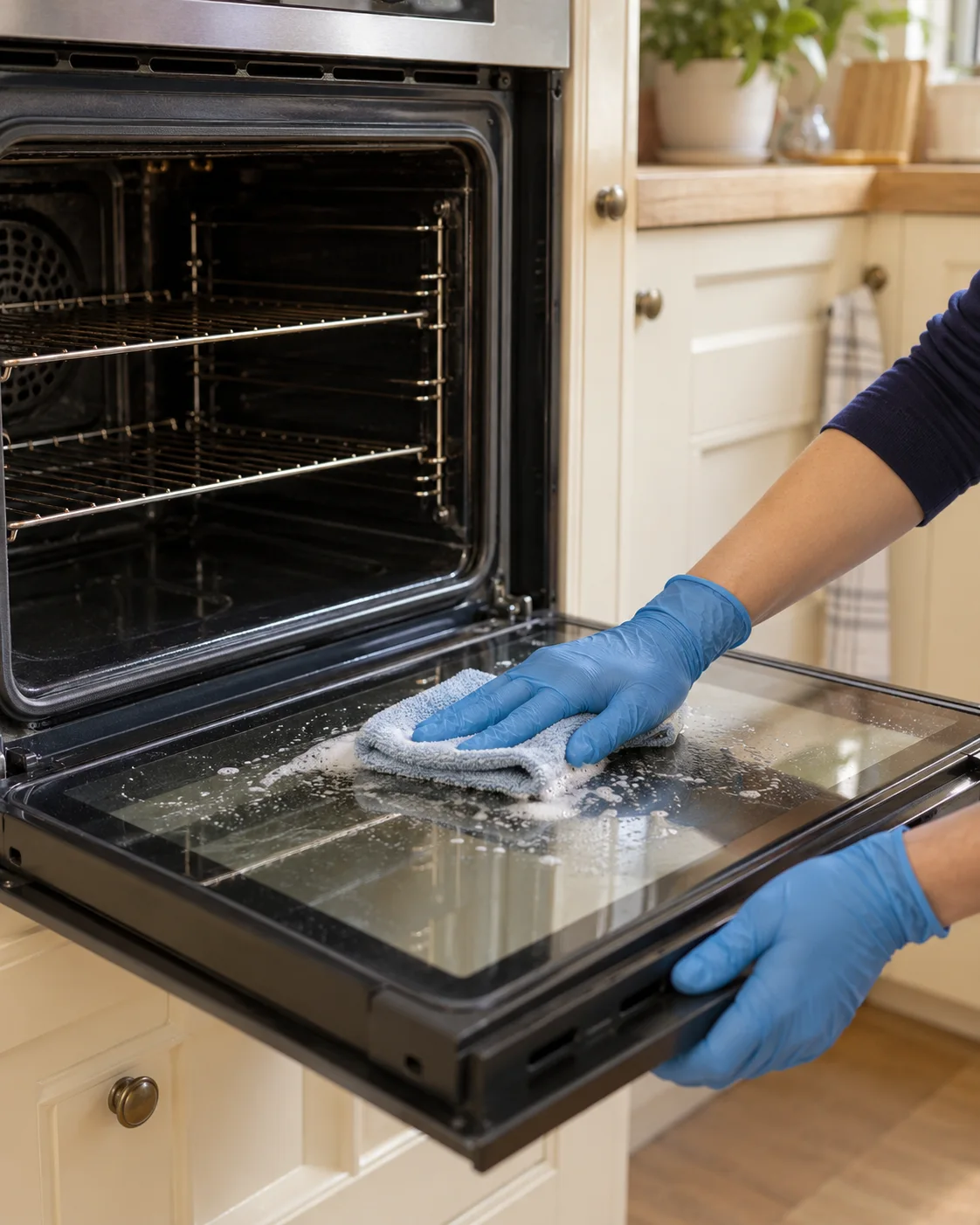
Build a quotation around the surfaces that matter
When you enquire, give the Acton postcode, the size of the flat, the proposed date and whether it is furnished. Photos of the kitchen, bathrooms, floors and any heavy marks help describe the work more accurately than a general phrase such as ‘good condition’. Mention pets, smoking residue, significant limescale, a neglected oven or a balcony if relevant. We can then clarify the expected cleaning scope and any separately priced treatment before you decide whether to book.
Ask specifically about the oven, extractor, refrigerator, inside cupboards, internal windows and carpets. A tenancy clean and a specialist carpet treatment are different kinds of work; neither should be assumed from the other. If your tenancy agreement contains a cleaning clause, share the wording rather than relying on a remembered summary. A clear written scope is more useful than a low headline figure that leaves you uncertain about the rooms or items included.
Prepare the flat without creating another moving task
Pack personal possessions, dispose of ordinary rubbish in the permitted way and leave the cleaning areas accessible. Remove food from the fridge and cupboards, and make sure water and electricity remain available. If you are keeping keys until the end of the day, allow for the cleaner to enter without waiting for a removals vehicle or another appointment to finish. Tell us in advance about parking restrictions, a concierge, lift booking or a key collection arrangement that affects entry.
You do not need to perform the whole clean before the team arrives. It is more helpful to point out existing damage and stubborn marks and to move loose belongings out of the way. Photograph any pre-existing chip, stain or broken fitting for your own handover record. Cleaning can remove soil; it cannot reverse a damaged worktop, worn sealant or discoloured grout. Knowing about those details early helps set a realistic expectation for the finish.
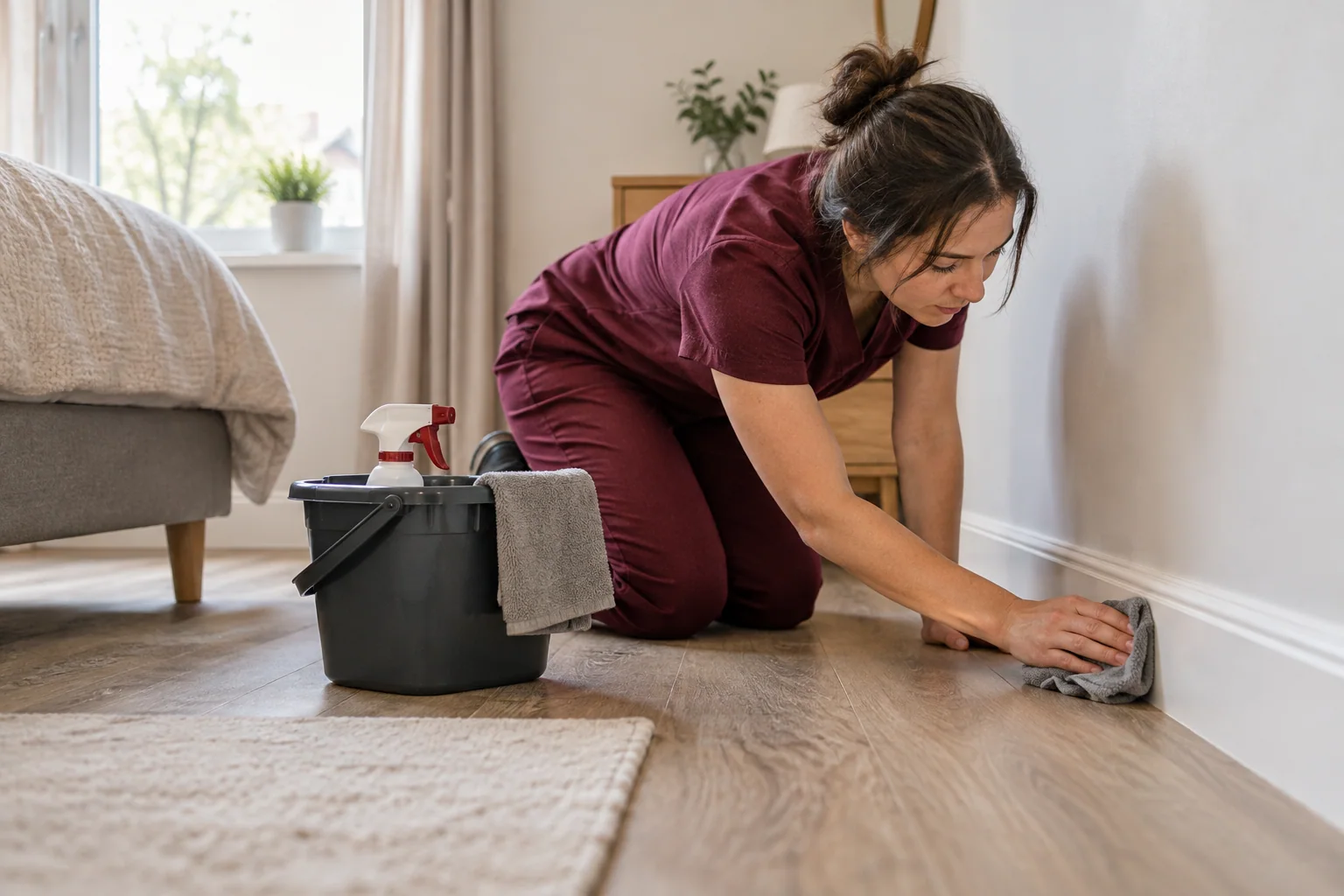
What the cleaning visit works through
On arrival, the agreed scope and access are checked before work starts. The kitchen typically needs a deliberate sequence: clear accessible cabinets and drawers, address grease on surfaces and appliance exteriors, clean the sink and taps, and then deal with the floor after higher surfaces are finished. If an oven interior is part of the agreement, it should be stated expressly because the time and method differ from wiping the outside of the appliance.
Bathrooms need attention to sanitary fittings, accessible tiles, mirrors and built-up residue around taps and screens. Living and sleeping rooms then require dust removal from reachable surfaces and fittings, cleaning of accessible internal glass where agreed, and floor treatment appropriate to its material. Working from higher surfaces down prevents dust from dropping onto a freshly cleaned floor. Furniture that remains should be approached carefully; moving heavy or fragile items is a separate access and handling question, not an automatic part of a standard clean.
Decide how carpets and persistent marks will be handled
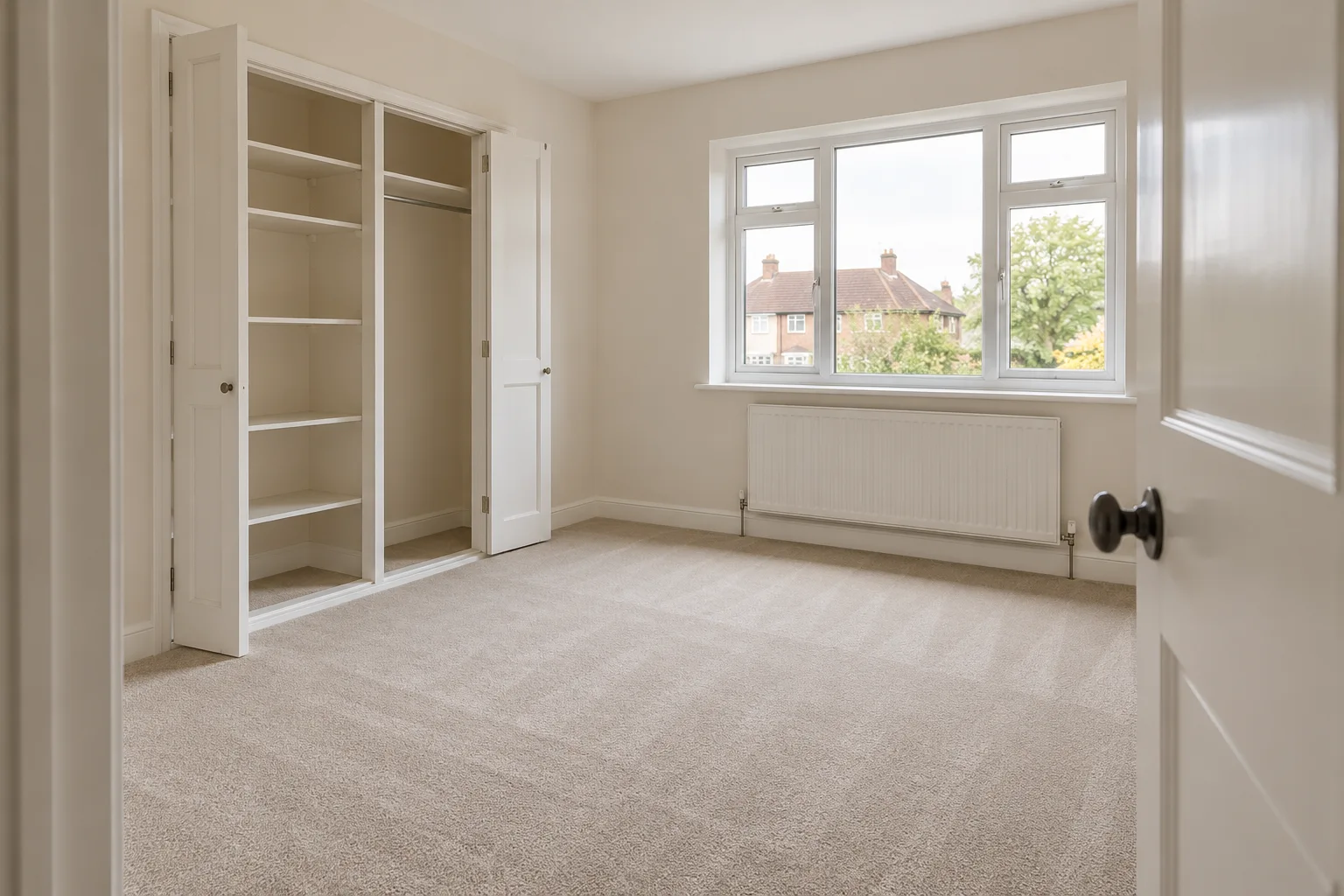
Vacuuming may be part of the agreed room clean, but an embedded carpet stain can require specialist assessment. Send a close photograph and describe whether the mark is recent, what caused it if known, and whether you have already used a product on it. A stain can be permanent even after professional treatment, particularly when a previous chemical has affected the fibres or dye. We should discuss that possibility before anyone treats it as a guaranteed deposit fix.
The same distinction applies to mould, paint splashes, adhesive and deeply worn surfaces. These may need different methods or may sit outside routine end-of-tenancy cleaning. If a wall has been repainted poorly, cleaning will not correct the finish; if a seal is permanently stained, aggressive scrubbing may damage it. We would rather record the limitation and agree the next sensible step than hide it behind a vague claim that every mark will disappear.
Leave time for your own handover check
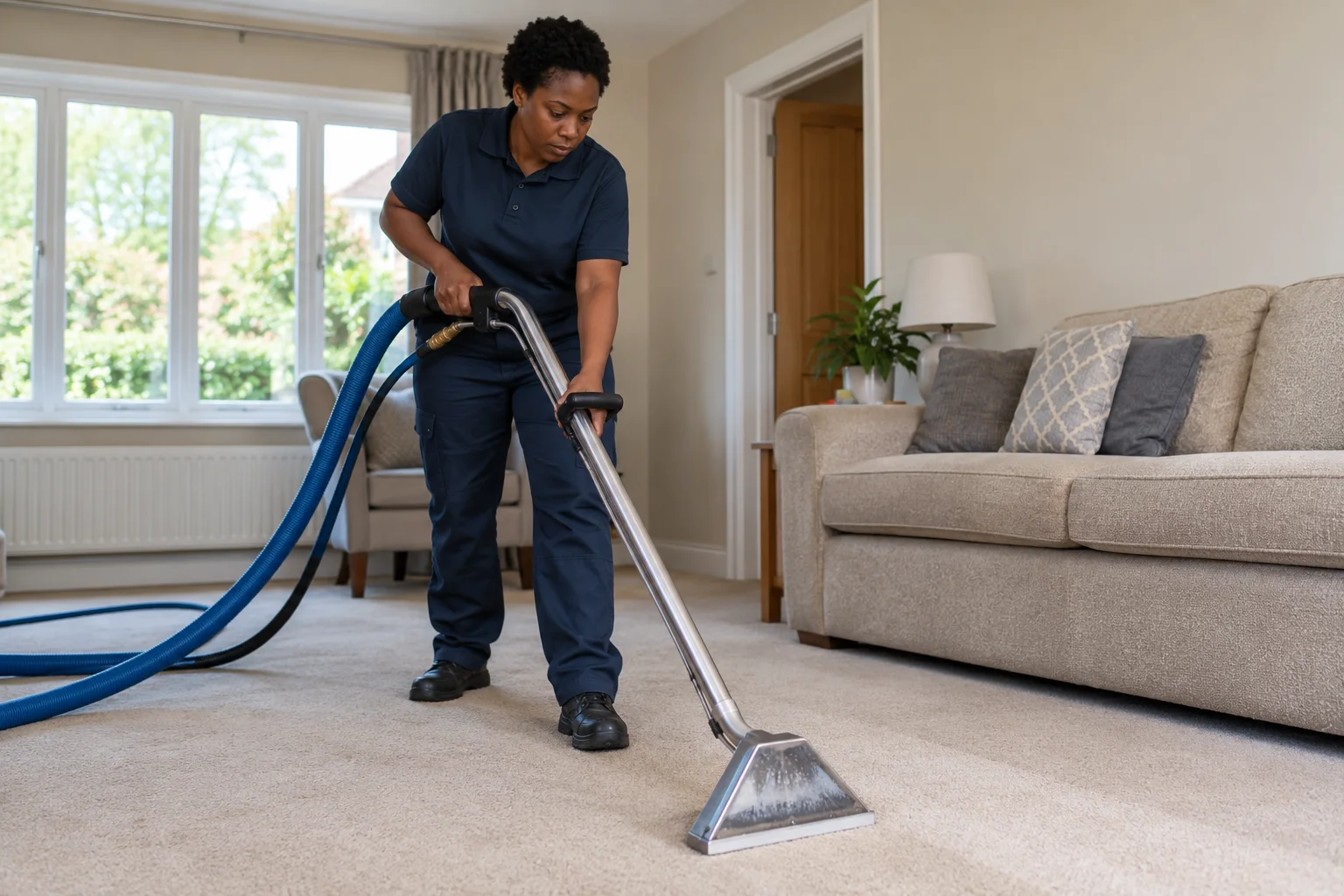
After the visit, walk through the flat while you still have access. Compare the agreed scope with the kitchen, bathrooms, floors and furnished items on the inventory. Take dated photographs of the rooms, inside any emptied storage that was included, and the appliances you expect the agent to inspect. If a particular area appears to have been missed, raise it promptly with its location and a clear photo so the issue can be understood against the booking details.
Do not book cleaning at the exact moment keys must be returned. Moving delays, a late removal of belongings or an unexpected access problem can compress the work and your inspection time. Leave a practical buffer between cleaning and check-out, keep the inventory and written quotation together, and make a separate record of damage you did not cause. That gives you a more useful handover file than a generic statement that the property was ‘professionally cleaned’.
Questions about this handover
Acton tenancy cleaning: practical answers.
When should I arrange the Acton clean after removals?
Wait until the van has left and all cupboards you want cleaned are empty. Leave a separate window after cleaning to walk through the furnished flat, photograph the agreed rooms and raise any specific missed item before you return keys.
Can cleaners use a lockbox to enter my Acton flat?
A lockbox may be possible if you confirm its position, current code and which doors the key opens through the agreed booking channel. Arrange who will collect or secure the key afterwards; do not leave the team to decide your handover procedure.
What should I show when my Acton kitchen has heavy build-up?
Send wide and close photographs of the hob, extractor, oven and cabinets. Say which appliance interiors and empty cupboards you want included. This lets the quote distinguish routine surfaces from extra grease treatment without assuming a single kitchen price covers everything.
Can the freezer be cleaned if it is still full of food in Acton?
An occupied freezer interior cannot be cleaned properly. Remove the food and allow time to defrost it in line with the appliance instructions if internal cleaning is agreed. Tell us before the visit if it will remain in use so the scope can be revised.
Will spotting on my Acton shower screen disappear?
Show the screen in good light and mention any descaler already used. Surface mineral deposits may respond to suitable treatment, but glass can also be permanently etched. The quote should describe the attempted cleaning, not promise that every cloudy patch will vanish.
Is swollen laminate after a leak a cleaning problem in Acton?
Record the affected boards and report the leak or swelling to the agent. The team can clean suitable surrounding floor, but water-damaged laminate needs a separate repair decision. Keep check-in and current photographs so the material defect is not confused with remaining dirt.
Does the Acton quote include large patio glazing?
Tell us how many panes there are, which internal faces can be reached and whether any external or high-level glass is requested. Interior reachable glass and exterior access are different tasks. Get them stated separately before booking, especially if the inventory names glazing.
What if I find an unknown substance in my Acton property?
Do not ask ordinary cleaners to handle an unidentified or hazardous material. Keep others clear of it and seek an appropriate specialist assessment. Tell the booking team which room is affected so that area can be excluded or rescheduled without concealing the issue.
How should I handle parking or building charges for an Acton clean?
Check the property’s actual parking and entry rules with the building or local authority. Pass the confirmed details to the booking team and ask whether any access cost affects the final quotation. Do not assume a permit or loading place is available at your address.