
Move Out Mates / Pimlico
End of Tenancy Cleaning in Pimlico
If a pet has lived with you in a Pimlico rental, your checkout concerns may extend beyond the visible kitchen and bathroom. Hair along skirting, odour in soft furnishings and a marked carpet are different jobs, and they will not all respond to the same clean.
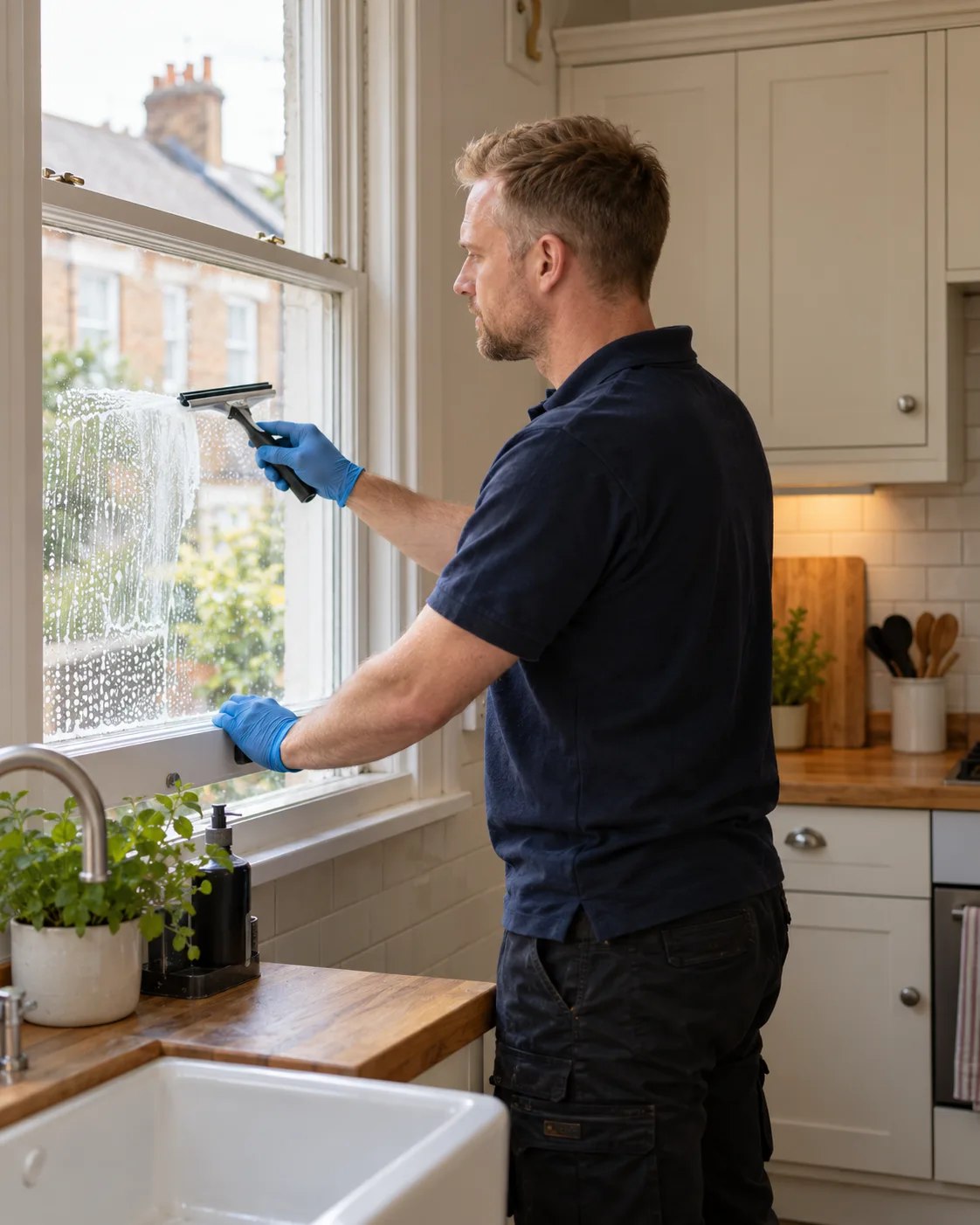
Locate hair, carpet marks and upholstery concerns
Tell us what the pet could access, which textiles belong to the property and what the inventory records at the start of the tenancy. A careful brief can separate normal end-of-tenancy work from optional carpet or upholstery treatment and from damage that cleaning cannot reverse. That is more useful than adding ‘pet clean’ to an otherwise vague booking request.
Note where the animal spent time: perhaps one bedroom was kept closed, while the living-room rug and sofa were used daily. Identify whether the rug is yours or part of the furnished inventory. Photograph visible marks in natural light and describe any odour without assuming its source. Hair on hard flooring and accessible skirting can be considered within a normal room clean; extracting contamination from a carpet or treating upholstery is a separate question. The more accurately you locate the issue, the less likely the quote will include irrelevant work or miss the one surface that worries you.
Read the original inventory before deciding what to request. If it already notes a carpet stain or worn upholstery, keep that evidence with your checkout records. Cleaning should address soil introduced during the tenancy, while pre-existing wear and actual damage need a different conversation with the landlord or agent. If there has been an accident that penetrated underlay or a strong persistent odour, disclose it. Surface cleaning alone may not solve material beneath the carpet, and no responsible quotation should imply otherwise without assessment.
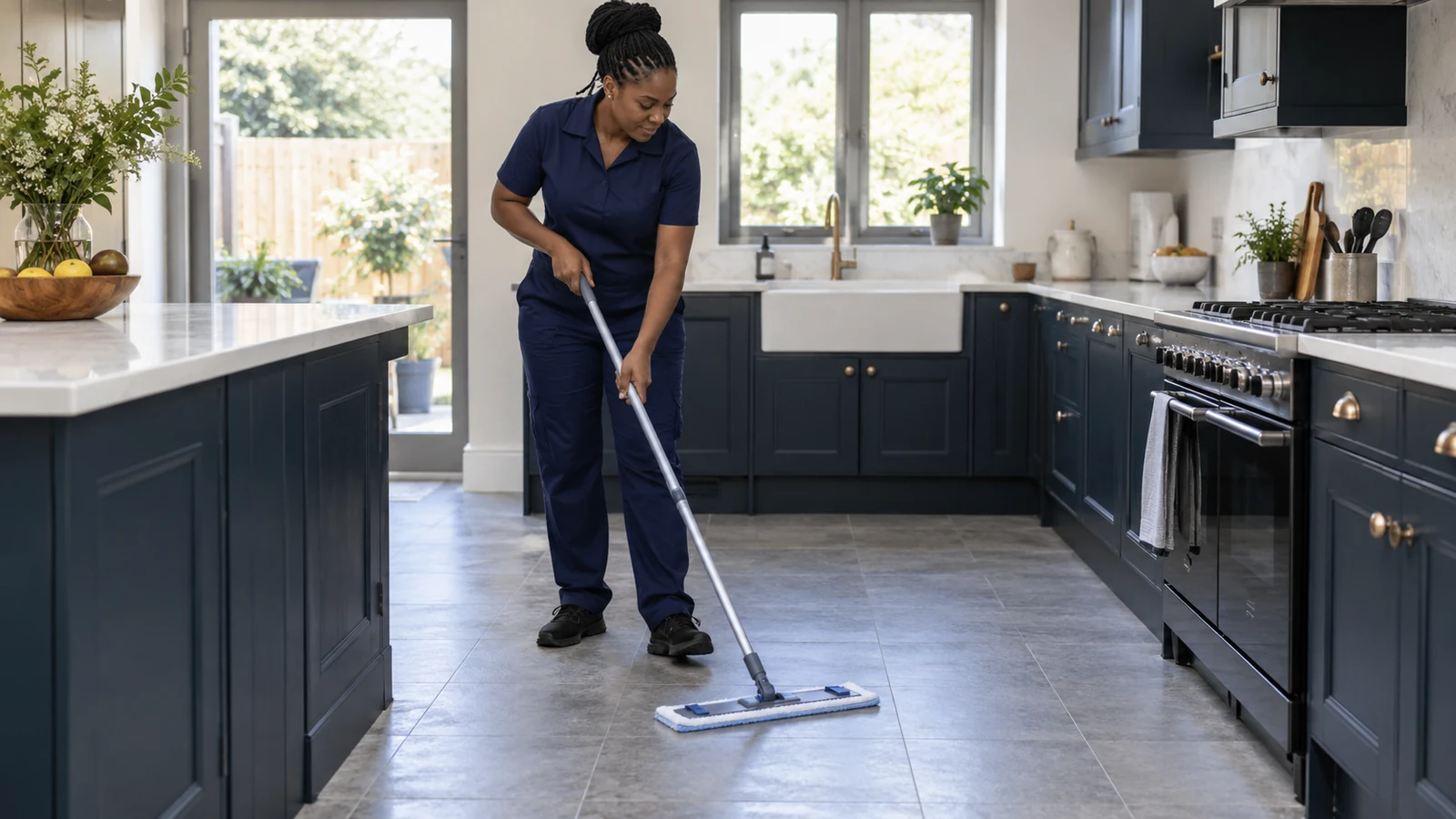
Price ordinary rooms and pet-affected textiles separately
For the Pimlico property, supply the postcode, rooms and bathrooms, whether it is furnished, and the date it will be empty. Send photographs of the kitchen, shower and any textile you want assessed. Ask the team to set out the standard tenancy cleaning scope and to identify any carpet, rug or upholstery treatment separately. That makes the price intelligible: you can see what is being done throughout the home and what is being requested because of a particular pet-related concern. Mention delicate fabric or any care label before treatment is discussed. For a Pimlico address in SW1V, send the complete postcode when you first call, together with the flat number and any building-entry instructions.
The quote should also state what the visit cannot reasonably promise. Carpet treatment is affected by fibre, dye stability, age and the substance causing a mark; a cleaned carpet is not necessarily a stain-free carpet. Similarly, upholstery may need drying time, and some items should not be wet cleaned. Do not book a specialist task on the assumption that it is automatically included in a general tenancy clean. Agree the exact item and method after the team has enough information, and keep the decision in the written booking record.
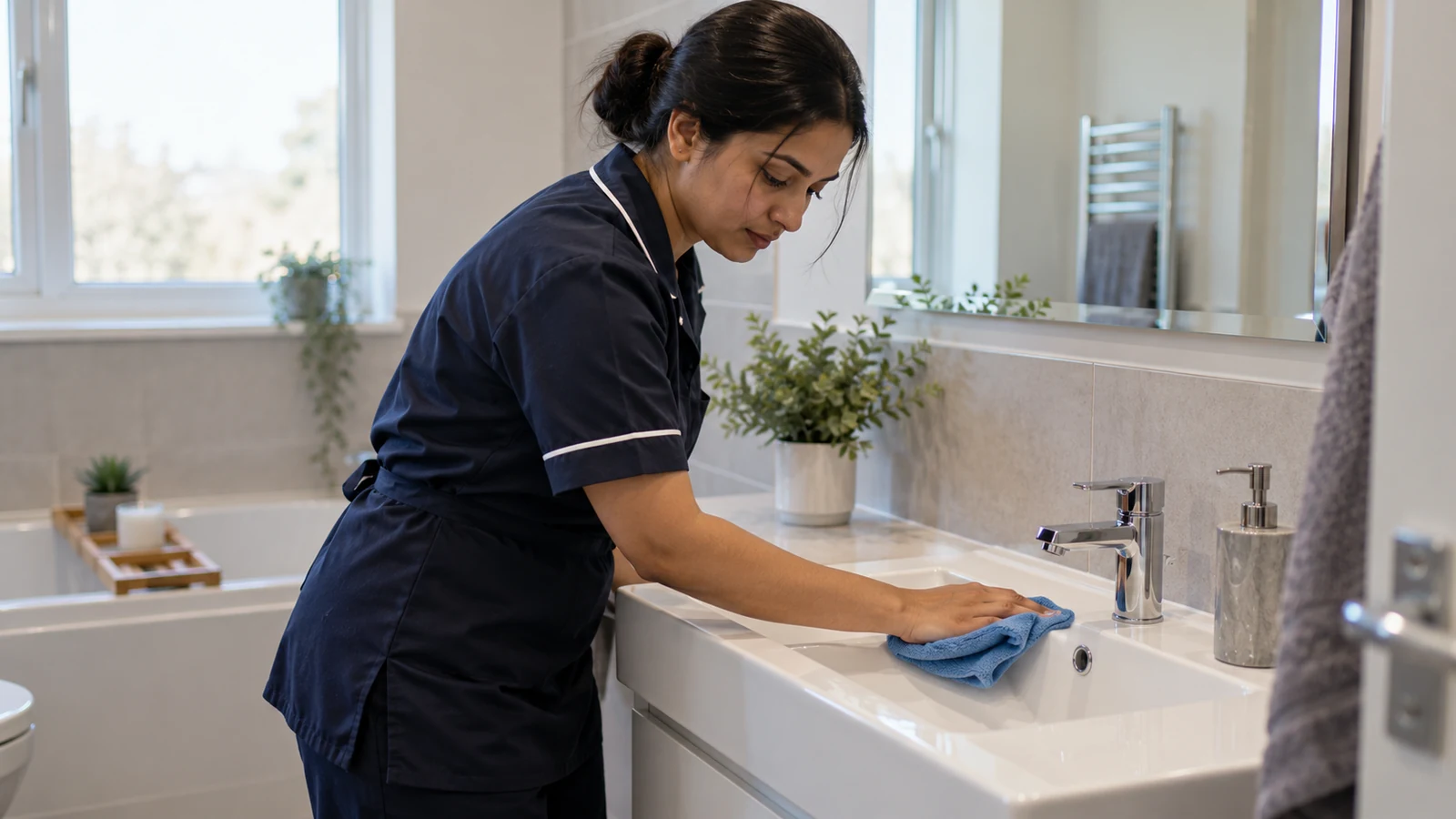
Clear pet items before any carpet drying begins
Remove your belongings, pet bowls, bedding, litter, toys and loose furniture before the appointment. Empty drawers and kitchen units if their interiors are in scope. If carpet or upholstery work is agreed, do not arrange a furniture delivery or key checkout immediately after the treatment without discussing drying and ventilation. The appropriate interval varies with material and conditions. Ask how the rooms should be left, and keep access to electricity and water available until the work is complete. A pet should be safely elsewhere during the visit.
If the property has internal windows or an agent has mentioned exterior glass, describe which panes open and can be reached safely. This matters independently of the pet issue. In a furnished flat, mark any landlord-owned sofa, chair or rug for which treatment is requested. If a textile is yours and will leave with you, it may not belong in the tenancy booking at all. A simple floor plan or numbered photographs can prevent confusion when several similar items occupy the same room.
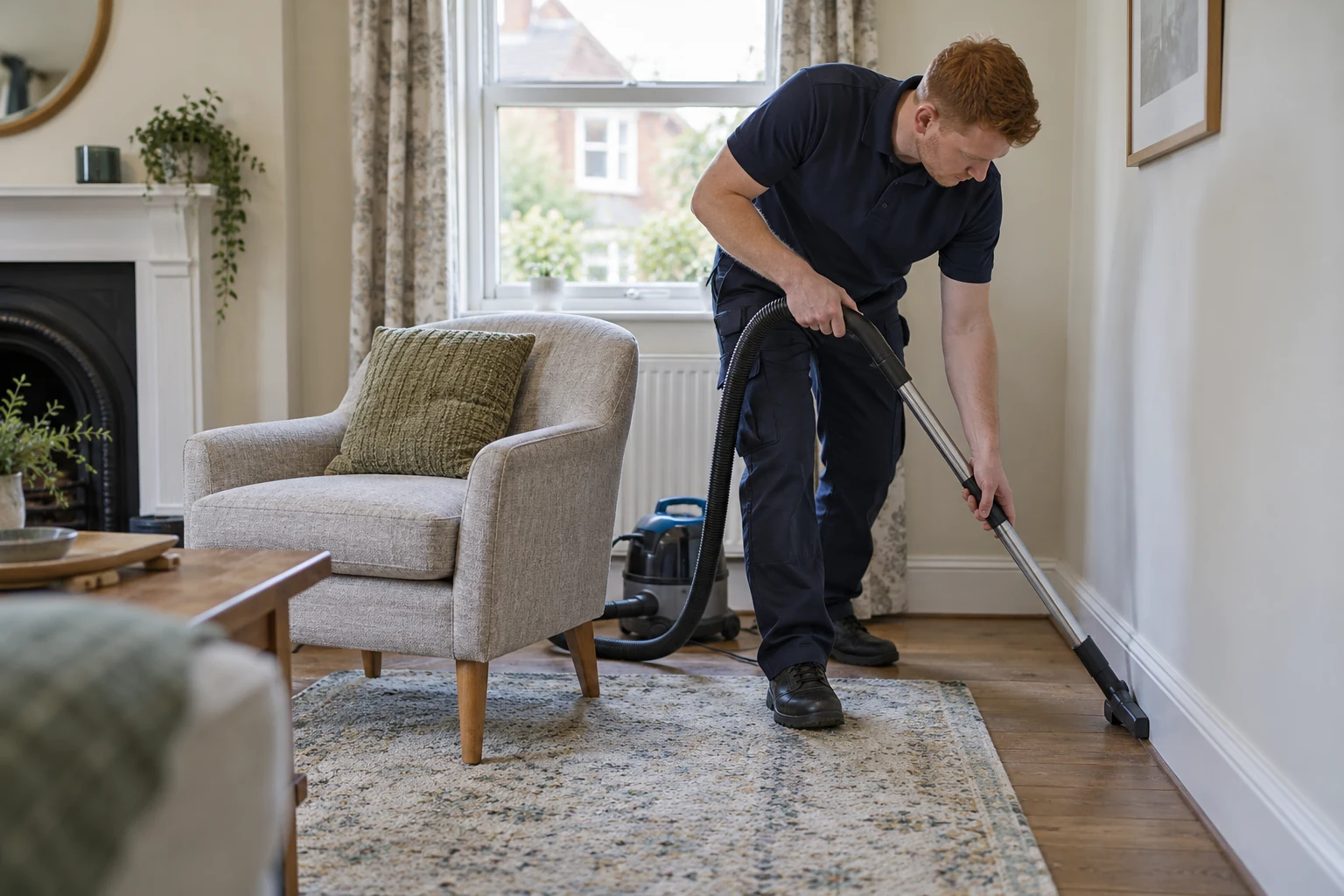
Assess fabric limits during the tenancy visit
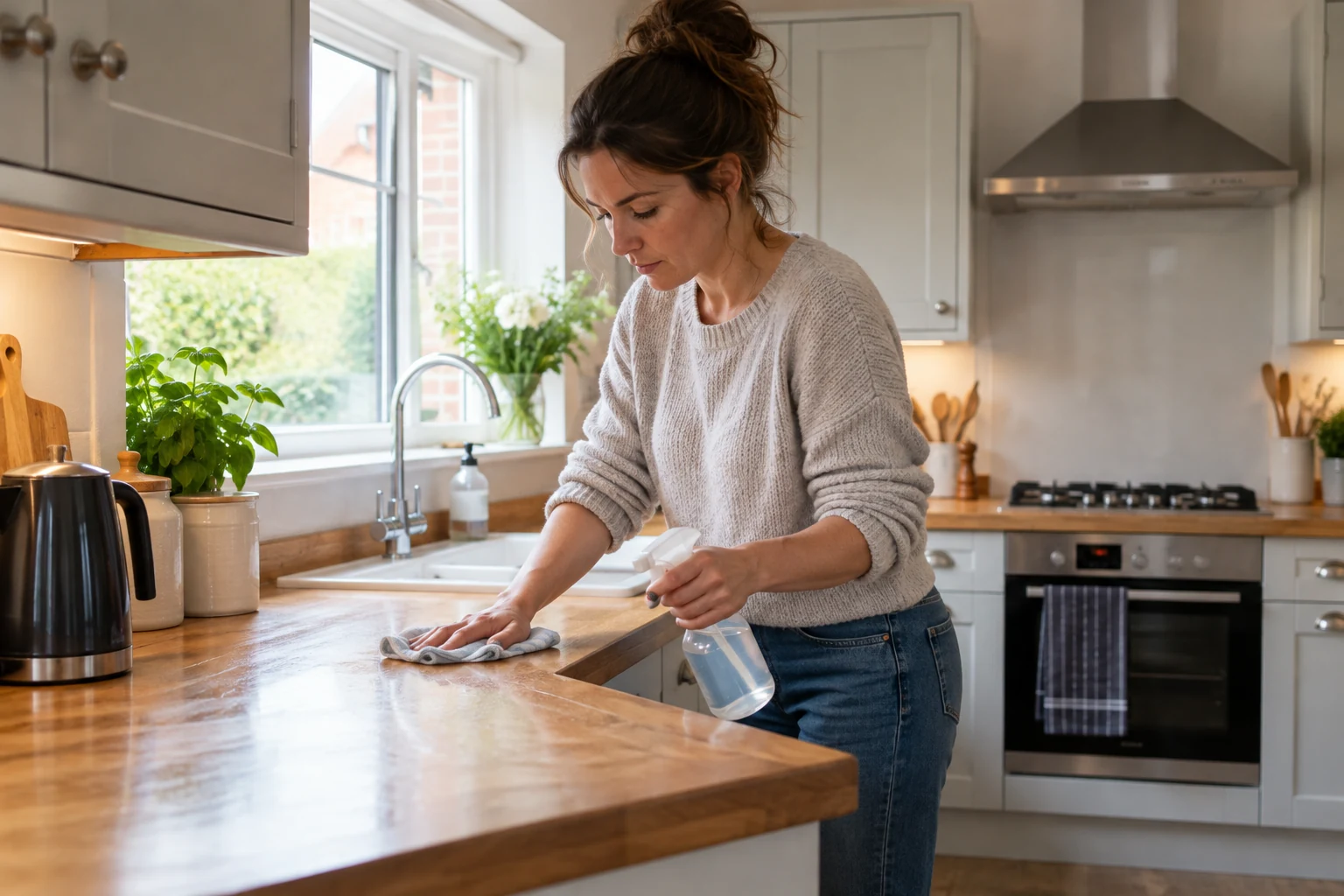
The general clean works through the agreed kitchen and bathroom tasks, empty cupboards, reachable fixtures, surfaces and floors in the remaining rooms. Hair can be lifted from accessible edges and surfaces as part of those tasks, but a deeply soiled carpet calls for the specifically agreed treatment. Before beginning an optional textile process, the material and condition should be considered. If the team finds a loose seam, unstable dye or a mark likely to be permanent, they should pause and discuss the limitation rather than treat the item as if it were robust synthetic carpet.
Cleaning is not a pest-control service and cannot repair scratched doors, chewed woodwork or worn fabric. Flag these separately to the agent so they are not mistaken for missed cleaning. If the rental has an odour despite visible cleaning, the source may be in porous materials or underlay. Record where it is strongest and ask what can realistically be assessed. One visit may improve a room while still leaving a problem that needs a different service or a landlord decision; a transparent handover is better than an unsupported guarantee.
Compare the treated items with the inventory
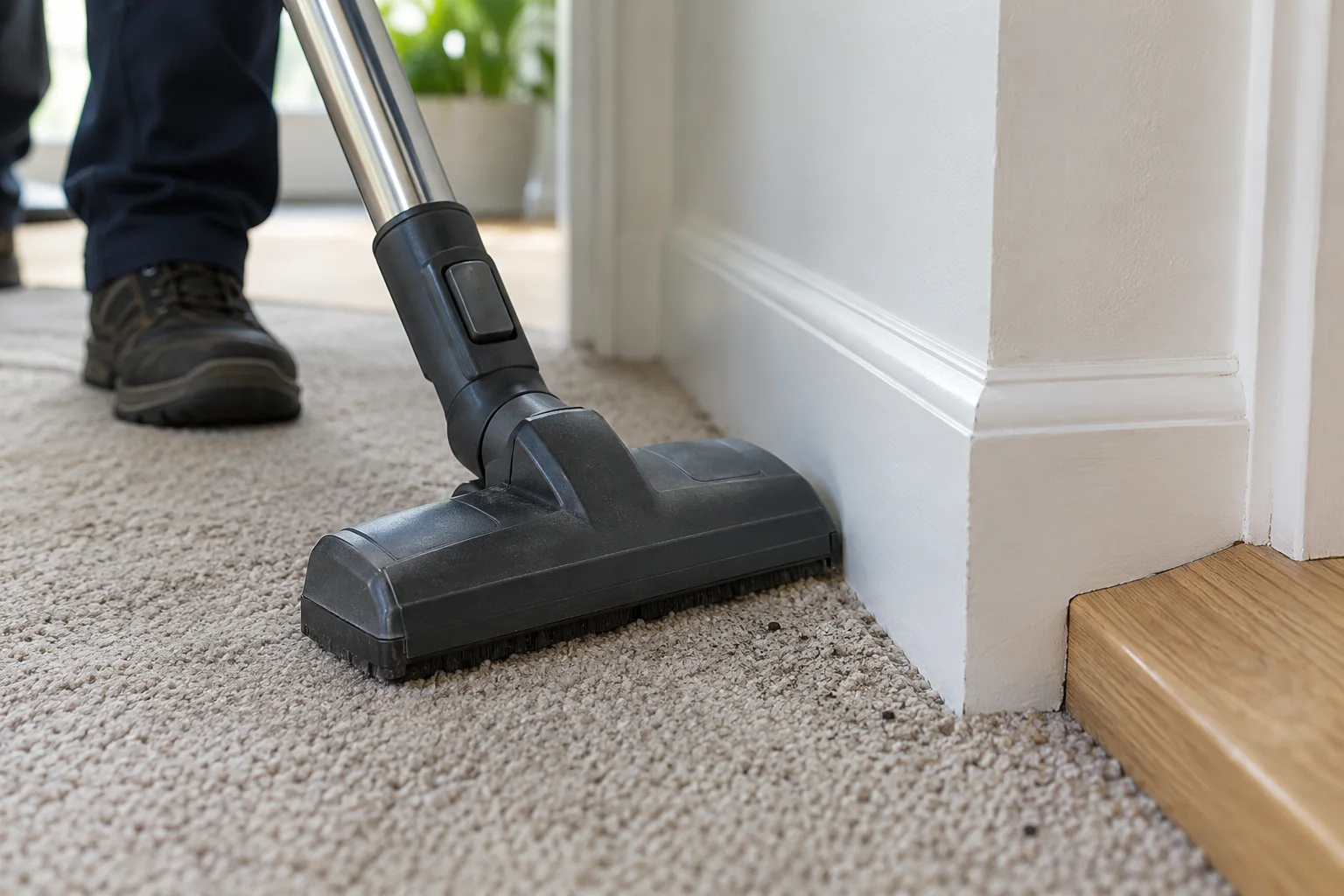
Before returning the keys, review the areas in your original photographs and the items named in the quote. Check included cupboards and appliances as well as the living spaces. Look for remaining hair along reachable skirting and in corners, while allowing any treated carpet or upholstery the advised drying time before judging its final appearance. Photograph a specific concern and contact the booking team while you still have access; a broad complaint that the flat ‘does not feel clean’ is harder to resolve than a location and an agreed task.
Keep the check-in inventory, treatment notes and your checkout photographs together. They help you discuss cleaning separately from pre-existing stains and physical damage. An agent or landlord decides how the tenancy terms and deposit rules apply; the cleaner can explain the work agreed and carried out. If you need evidence of a particular carpet or upholstery service, request the appropriate written record as part of the booking. The aim is a clear, reviewable account of the property, not a promise that every pet-related trace can be erased.
Questions about this handover
Pimlico tenancy cleaning: practical answers.
How far before the agent’s Pimlico inspection should cleaning finish?
Allow time after the visit to inspect the agreed tasks, photograph any concern and follow drying advice for separately treated textiles. Give the booking team the inspection appointment time; avoid arranging an immediate key handover that leaves no chance to review the property.
What if the alarm remains active at my Pimlico property?
Arrange an authorised disarming and re-arming procedure with the agent or key holder and supply it securely with the access plan. The cleaning team should not be expected to guess a code or work through an alarm sounding unexpectedly.
Are paint splashes covered by a Pimlico tenancy clean?
Show the splashes and the surface beneath them before booking. Paint removal is different from lifting ordinary dust and may damage a delicate finish; the decorator or a specialist may need to address it. Keep the issue separate from the room-cleaning checklist.
Can marks be removed from my Pimlico induction hob?
Send a close photograph and describe whether the mark is residue, a scratch or a heat change. Safe cleaning may lift deposits, but it cannot repair scratched glass or a permanently altered surface. The agent’s original inventory can help record what was already present.
How can I assess pet hair in a Pimlico bathroom with a failed light?
Arrange a safe working light or have the fitting repaired before the visit. Without clear visibility, hair along skirting and grout condition are difficult to assess. Keep the electrical fault on the agent repair list, separate from the cleaning scope.
Should a doormat and runner stay during my Pimlico clean?
Use the inventory to decide whether the items belong to the property. Remove your own items; if landlord-owned, identify whether ordinary cleaning or a separately assessed textile treatment is requested. Disposal should be arranged separately.
What about external windows on an upper-floor Pimlico flat?
Give the floor and photographs showing how the windows open and what lies below. Reachable internal glass is distinct from an outside face over a drop. Discuss specialist exterior access before booking if the agent requires it.
Will the cleaners remove unwanted furniture from Pimlico?
Arrange collection or disposal before the visit, and say when the room will be clear. Large pieces can block skirting and floors; the team cannot treat their removal as an unspoken part of cleaning.
What details of my Pimlico oven and hob should I send?
Photograph the oven cavity, shelves and hob in their present condition, and identify any broken or delicate parts. These details help the team quote the appliance work accurately and distinguish grease from wear or damage.