
Move Out Mates / Isleworth
End of Tenancy Cleaning in Isleworth
A tenant leaving an Isleworth property after having a pet needs a cleaning conversation that separates ordinary hair and tracked-in dirt from odour, permanent staining and damage. The first enquiry should include the full address and postcode; TW7 is the Isleworth postal district, but the complete code identifies the property and access.
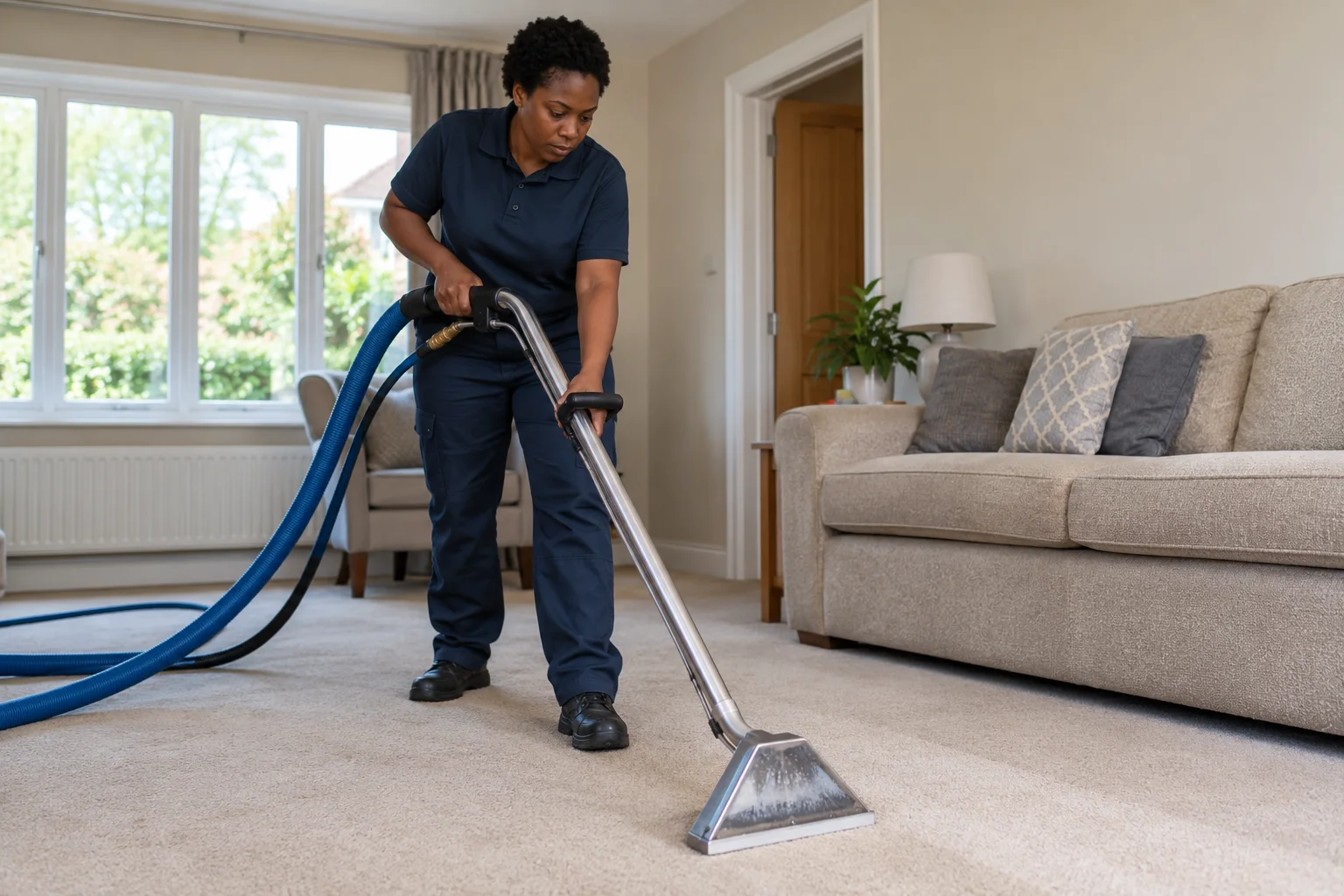
Identify the surfaces affected by the pet
Send the checkout inventory, room count and clear photographs of affected floors, soft furnishings and kitchen or bathrooms. Explain which carpets or upholstery need separate treatment and when the home will be empty. An accurate scope is more useful than assuming one general clean can solve every pet-related issue.
Walk each room after furniture has moved. Hair along skirting and accessible hard floors is different from hair embedded in upholstery or a stain that has reached a carpet backing. Photograph affected areas and note whether the carpet, rug or sofa belongs to the landlord. Ask what condition was recorded at check-in. A cleaner can address appropriate surface dirt, but an old urine odour or damaged floor may need a specialist assessment, repair or replacement rather than a stronger general product.
If the landlord requires a particular professional carpet treatment, provide that written requirement when requesting the quote. Ask which rooms and textile items it covers, what method is proposed and whether it is separately priced. Do not assume every fabric can be wet-cleaned safely. Fibre, backing and care instructions matter, and a responsible service should be able to flag uncertainty rather than promise a stain-free result in advance.
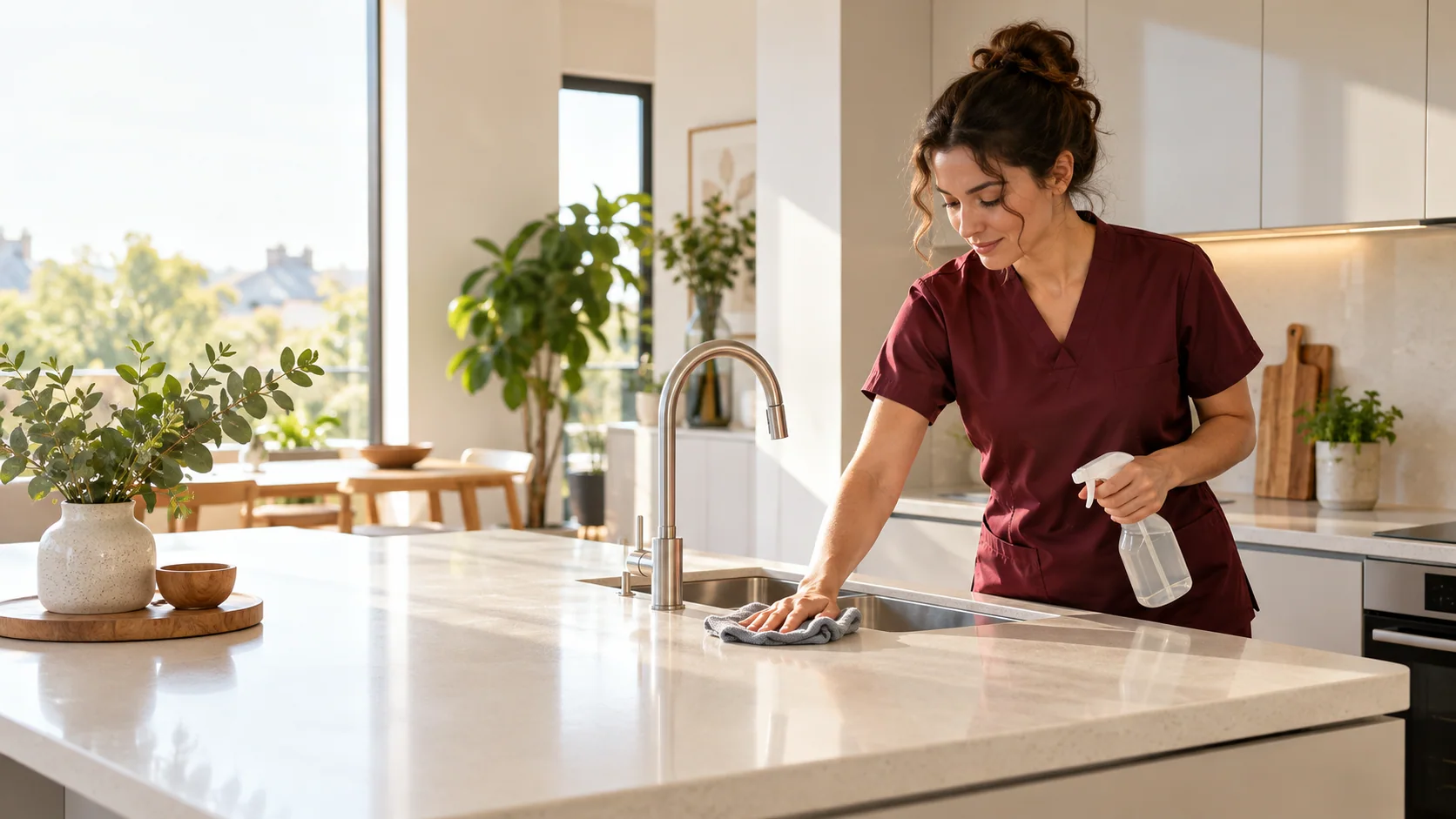
Price the property beyond the pet issue
The kitchen, bathrooms and storage still need a room-by-room plan. State how many bathrooms there are, which appliances remain and whether cupboards will be empty. Ask whether the proposed price includes accessible cupboard interiors, oven and fridge interiors, internal glazing, fittings and floors. Then request any carpet or upholstery treatment as a separate item. Published starting prices are guides; final cost reflects property size, condition, access and extras. This breakdown shows what is covered and avoids hiding a specialist task inside a vague total.
Tell us about visible damage separately from dirt. Scratched doors, chewed skirting and worn finishes cannot be restored through cleaning. A quotation should state how extra tasks would be discussed if new staining is found after furniture leaves. The agent may later assess cleaning and damage differently; keeping them separate in the brief makes the final conversation more accurate.
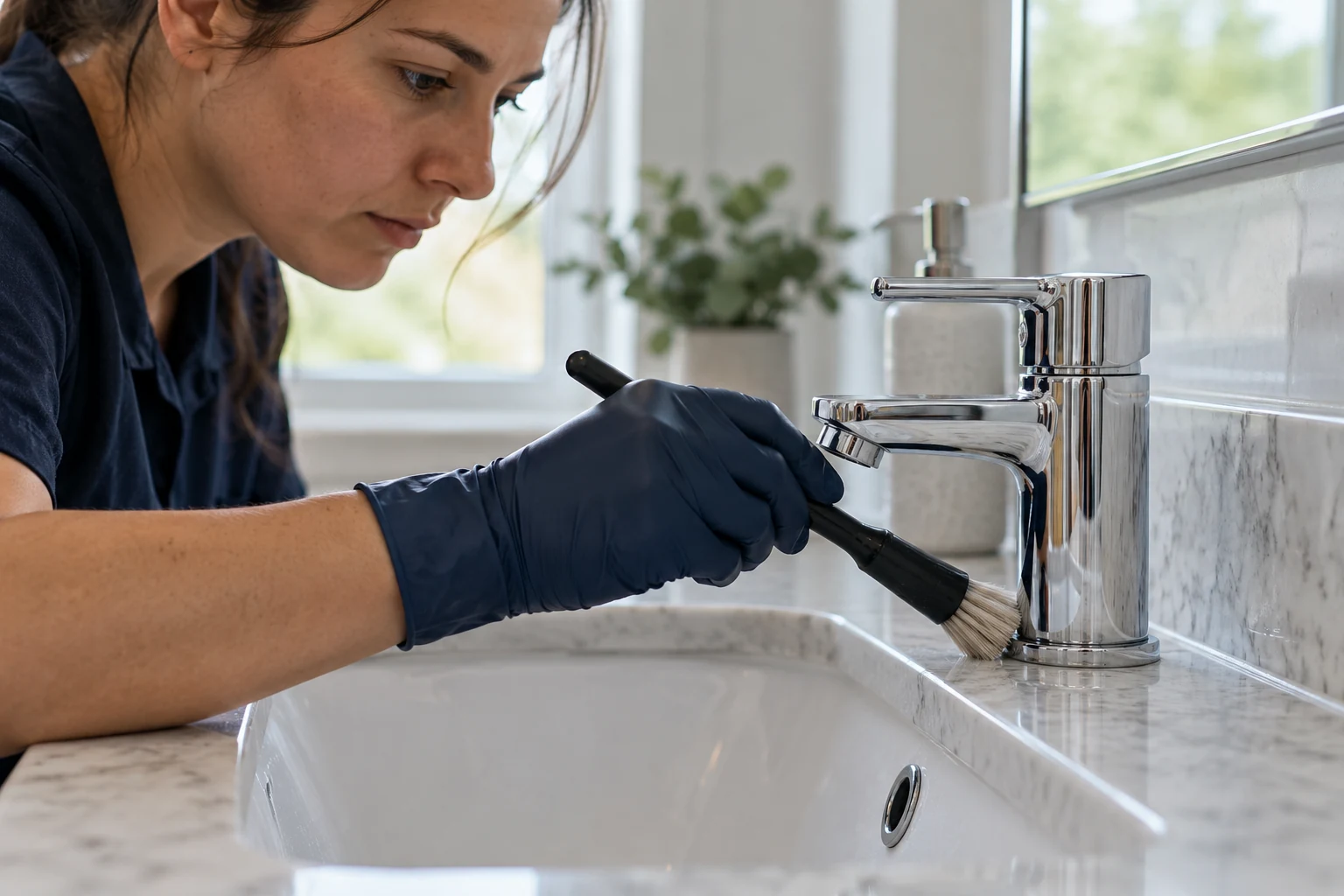
Prepare the pet and the property for the visit
Arrange for the pet to be elsewhere while the team works, and remove bowls, bedding, toys, food and waste. Empty cupboards and the fridge, finish removals, and leave water and electricity available. If a textile treatment has been agreed, ask whether any furniture needs moving in advance and what drying conditions are needed. Do not leave the cleaner to manage an animal or decide which pet items should be thrown away. Those decisions belong to the tenant.
Confirm keys, any alarm and the person who can approve a change. The full postcode does not tell anyone where to park or how to reach a particular door, so supply the actual access instructions. If there has been a spill or accident shortly before the appointment, report it rather than covering it with fragrance. Knowing the affected material and how recently it happened helps the team assess what might be safely attempted.
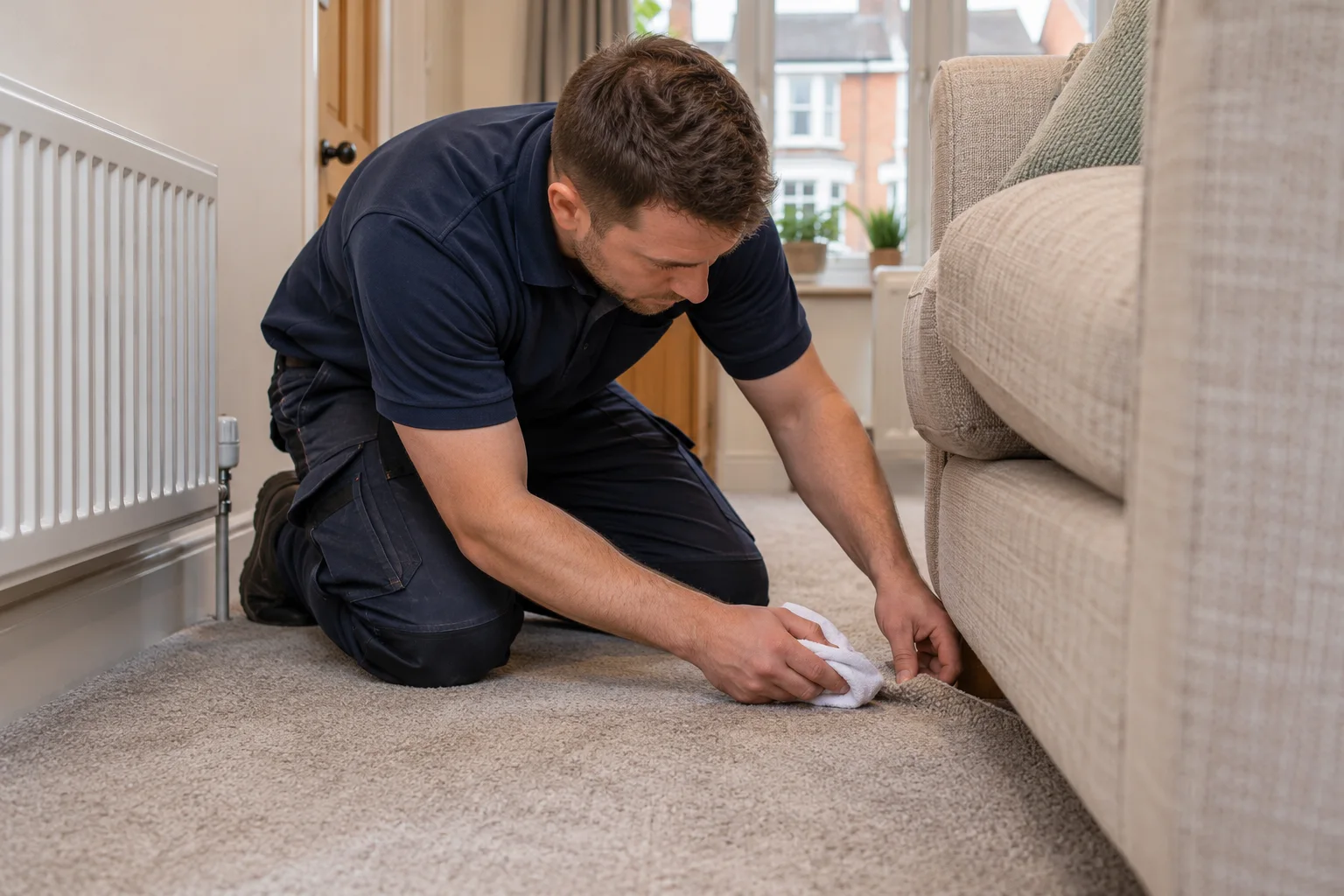
Expect a method suited to each area
The team should review the scope on arrival and check that the rooms are empty. Kitchen and bathroom surfaces can be treated for suitable grease, limescale and residue, while other rooms receive the agreed attention to reachable fittings, skirting, internal glass and hard floors. Any textile service follows its own assessment and method rather than being treated as a simple extension of mopping. The order depends on materials, drying and whether different work areas can safely be used at the same time.
If an odour remains after surface cleaning, the team should not claim it has disappeared simply because the room smells of product. Odour can have a source beneath a surface, while permanent dye or pet damage may survive treatment. A clear explanation of what was done and what could not be resolved is more useful to the tenant than a blanket assurance. Agree any added service and charge before it is undertaken.
Check cleanliness and pet damage separately
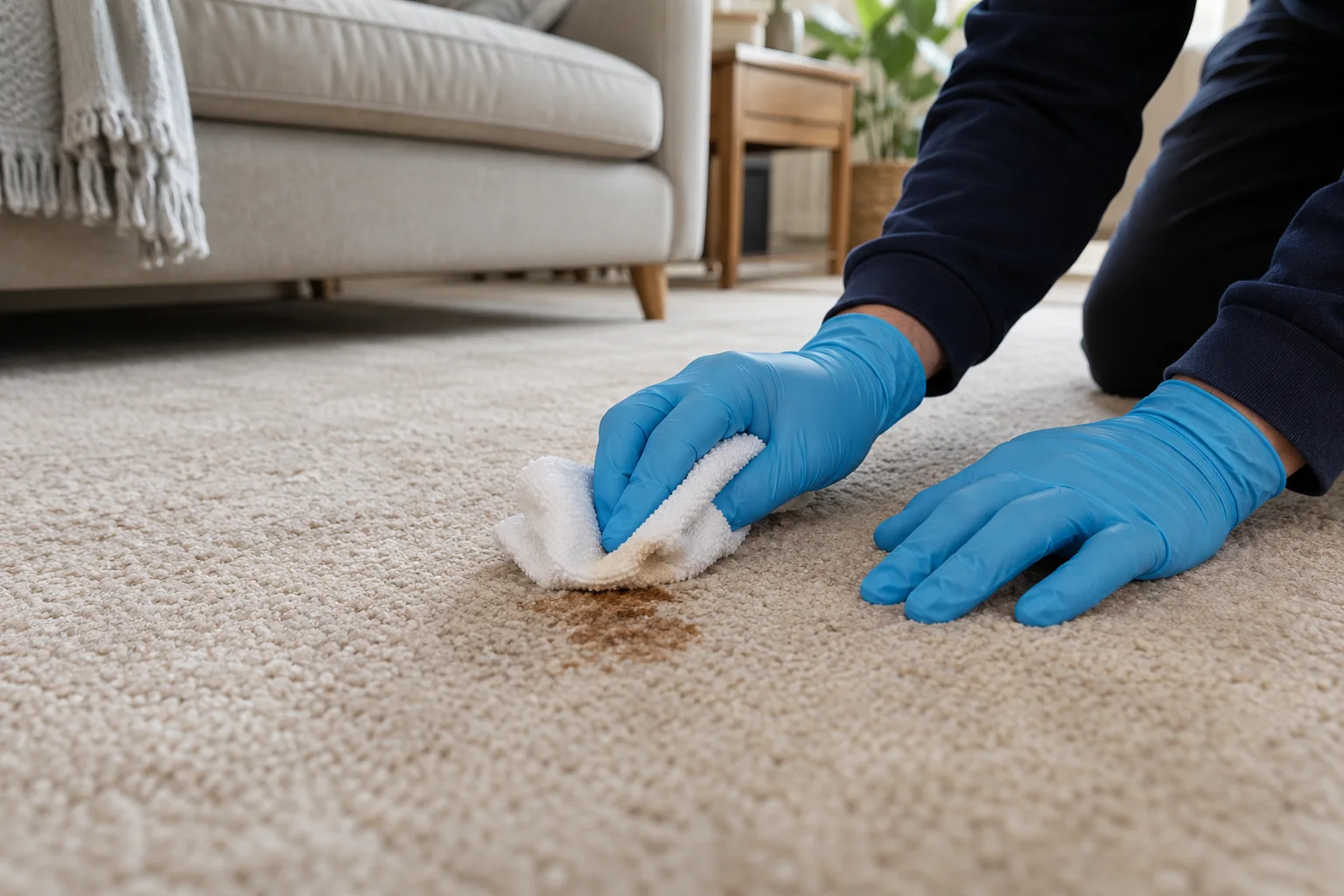
After completion, inspect the kitchen, bathrooms and every room, then look specifically along the areas where hair accumulated. Check agreed carpet or upholstery work after appropriate drying advice, and photograph any precise cleaning omission while access remains. If a stain remains, compare it with the pre-visit photos and ask whether it was treatable. Note scratches or other damage in a separate record for the landlord rather than calling them unfinished cleaning.
Retain the quotation, any specialist scope, care or drying instructions, final images and checkout report. They can show what service was requested and what was observed, but they cannot guarantee a deposit return. For an Isleworth tenant with a pet, a clear distinction between cleaned residue, persistent staining and physical damage makes the handover more honest and easier to discuss. Ask for any fabric-care or drying advice to be recorded with the completion details. A damp textile should not be covered or moved straight away if that would risk a new mark. Keep a photograph of the treated area after it has dried, because immediate wet appearance is not always the final result.
Questions about this handover
Isleworth tenancy cleaning: practical answers.
How should pet hair on an Isleworth hard floor be described for a quote?
Show the affected rooms after furniture has moved and say whether hair collects along skirting or beneath supplied items. Suitable surface cleaning can address accessible hair, while embedded textile hair may need a separate assessment.
Can carpet cleaning remove a persistent pet odour in Isleworth?
It depends on the source and depth of contamination. Ask for a separate textile assessment and explain where the odour is strongest. Odour in underlay or damaged floor material may persist after surface treatment, so no result should be guaranteed.
Should my pet remain in the Isleworth property during the clean?
Arrange for the animal to be elsewhere. That gives the team safe access and prevents fresh hair or paw marks appearing during the visit. Remove bowls, bedding and toys before the appointment so their ownership is clear.
What is different about a landlord-supplied rug in an Isleworth pet home?
Identify it in the inventory and share any fibre or care label, plus photographs of hair or staining. Rug treatment needs a separate suitability discussion. A general room clean should not automatically include wet-cleaning a delicate supplied textile.
How do I distinguish a pet scratch from dirt on Isleworth skirting?
Photograph the area in good light and compare it with check-in notes. Surface residue may be cleaned; chipped paint or gouged wood is damage. The agent may assess those conditions separately, and stronger scrubbing will not repair them.
What if a pet stain is found after furniture removal in Isleworth?
Record its location and material before applying any product. Tell the team what, if anything, has already been used on it. A specialist may need to assess carpet fibre and backing, and permanent dye may remain.
Should fragrance be used to mask an Isleworth pet smell before checkout?
No fragrance can resolve an underlying source. Describe the smell honestly and ask whether suitable cleaning or separate treatment may help. If contamination is beneath carpet, the landlord may need to consider repair or replacement.
How long should I allow after an Isleworth textile treatment?
Ask for drying guidance before fixing the agent’s inspection. Do not cover or move a damp carpet or rug in a way that could create another mark. Check the final appearance after suitable drying, not only while wet.
What should my Isleworth handover record say about pet-related condition?
Keep pre-visit and final photographs, the textile scope and any care advice. Separate removed hair or residue from persistent odour, staining and physical damage. The invoice shows what service was commissioned, not a guaranteed deposit result.