
Move Out Mates / Stoke Newington
End of Tenancy Cleaning in Stoke Newington
A Stoke Newington tenancy with a pet and a carpeted living room calls for an honest distinction between general cleaning and textile treatment. Loose hair on hard surfaces, soil embedded in a carpet and odour in upholstery are not one task.
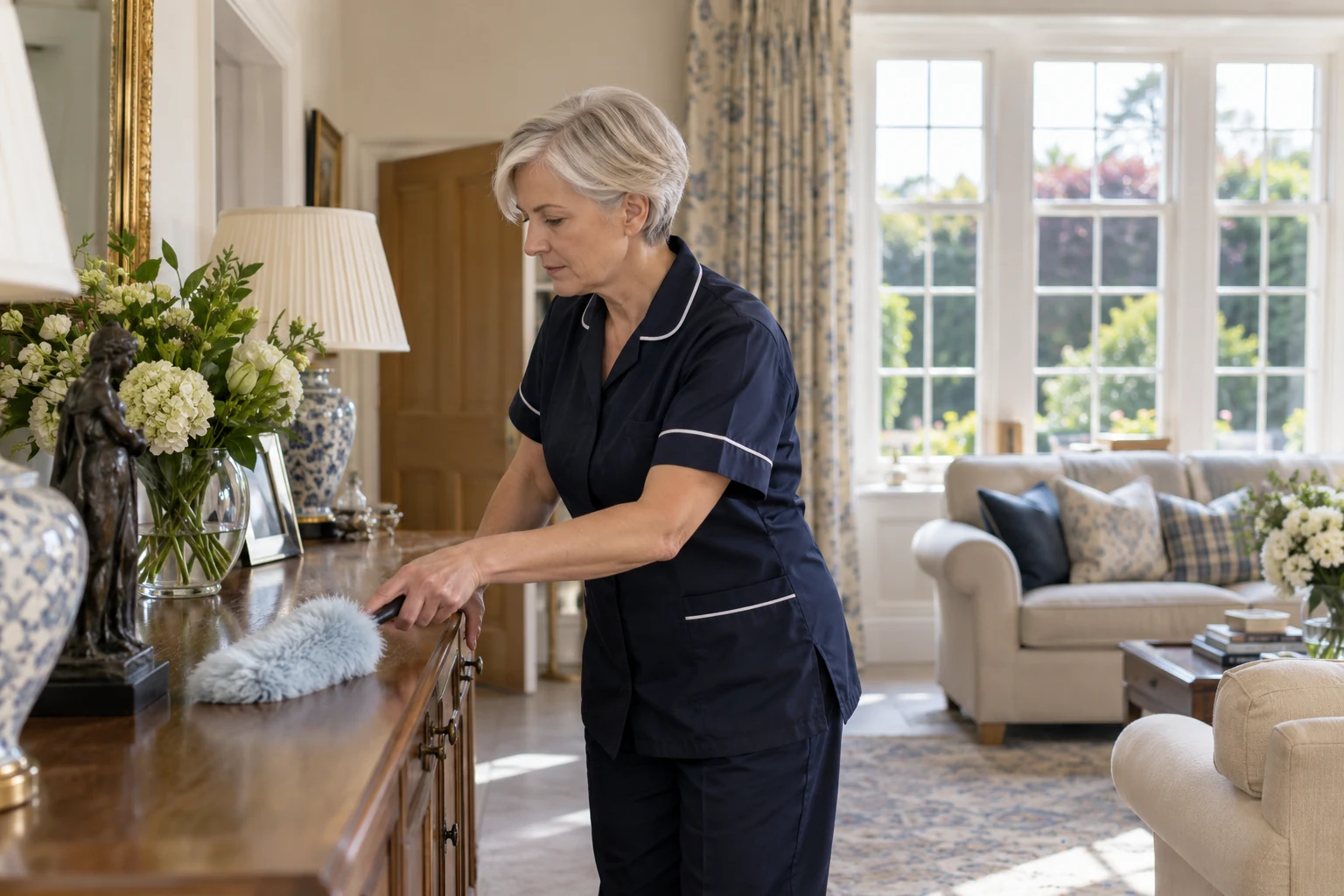
Locate the pet-related concern before quoting a treatment
On your first call, give the full N16 postcode, room and bathroom count, move-out date and the inventory’s record of any landlord-owned soft furnishings. Explain where the pet spent time and when belongings will be removed. We can then discuss the normal end-of-tenancy scope and any specialist work as separate choices, with realistic limits for old stains or damage.
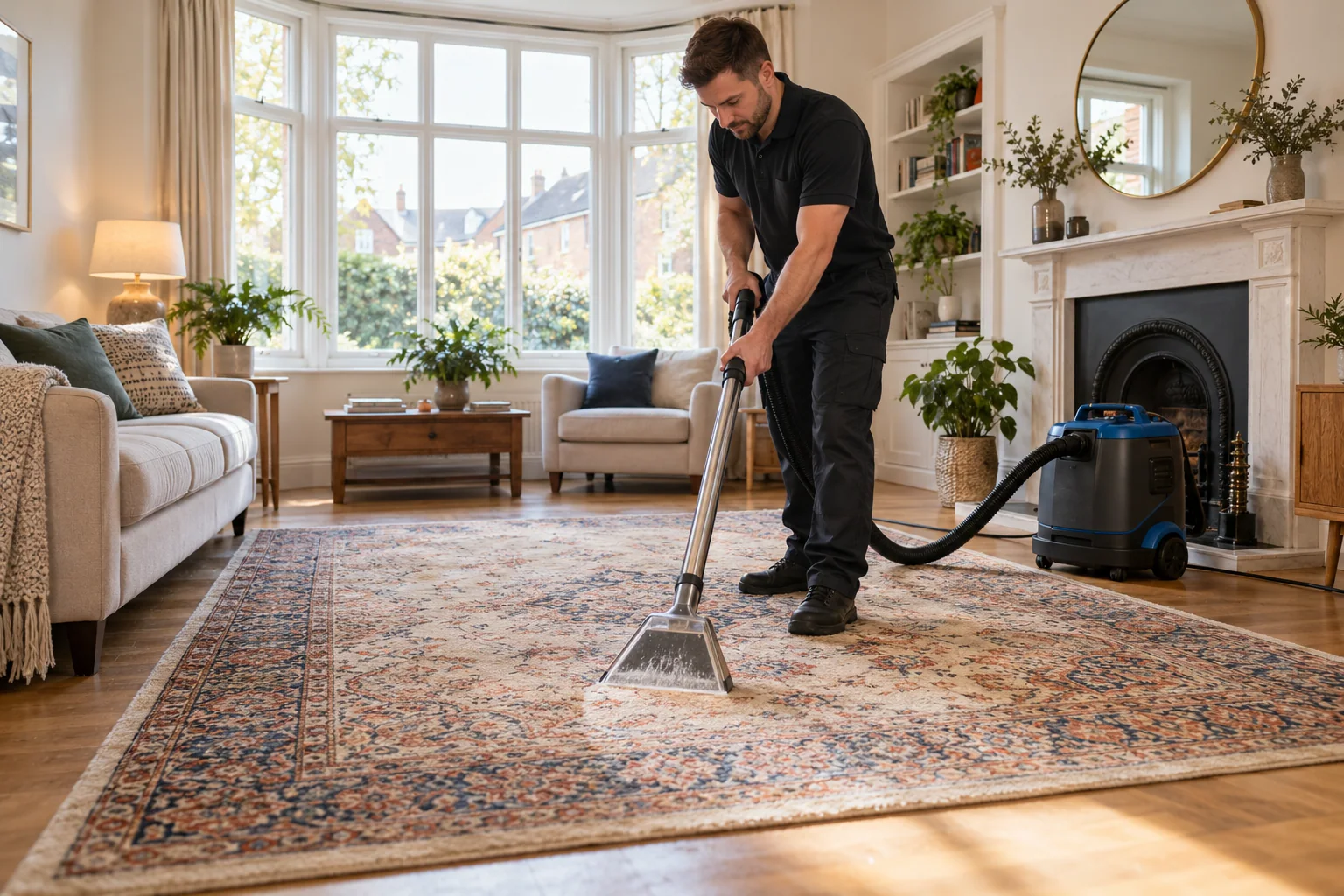
Identify the exact room and surface: carpet in the hallway, a rug in the living room, an upholstered chair or simply hair along skirting. Photograph visible marks and say whether there is an odour, but do not assume the smell comes from the same place as the stain. A rug you own and will remove does not need to be included in the property handover clean. A landlord-owned sofa may require an explicit upholstery quotation. Mapping the issue this way prevents a generic ‘pet clean’ from concealing a costly or unsuitable treatment.
Compare the condition with check-in photographs and the inventory. A pre-existing carpet mark, worn pile or loose upholstery seam should be recorded before anyone attempts treatment. If urine has reached underlay, a surface process may improve appearance without removing the underlying source. Disclose the history as far as you know it. The team can assess appropriate cleaning within the agreed scope, but cannot guarantee a permanent stain will lift or repair fabric damaged by claws. Those limits belong in the conversation before booking, not in an apology after checkout.
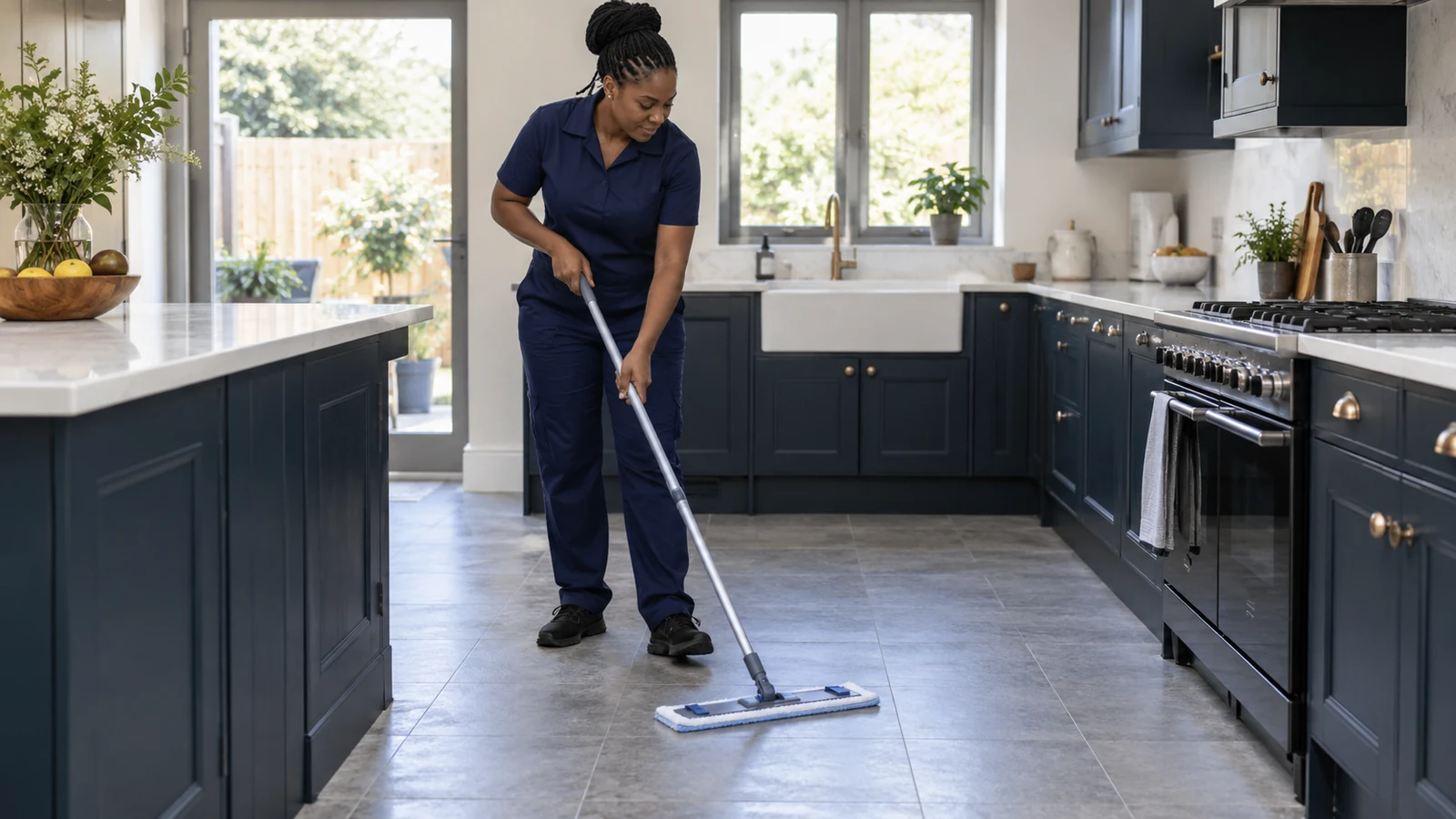
Price the tenancy clean and textile work separately
Tell us about the kitchen, bathrooms, appliance interiors and storage as well as the pet issue. A good quote covers the whole rental, not only its most worrying carpet. Published end-of-tenancy starting prices are £150 for a studio or one-bedroom home, £180 for two bedrooms, £220 for three and £260 for four. The final N16 quotation depends on condition, access and extras. Request a written room and task list so you can see the ordinary clean and any proposed carpet or upholstery work separately.
If a textile has a care label, unusual fibre or colour instability, send a photograph before a method is discussed. The team may need to inspect or decline a particular treatment rather than assume every material tolerates the same process. Ask whether drying time will affect the key handover. Exterior windows, rubbish removal and damage repair should also be treated as separate questions if the agent has mentioned them. A precise quote is more useful than a promise of ‘everything included’ that never names the items it covers.
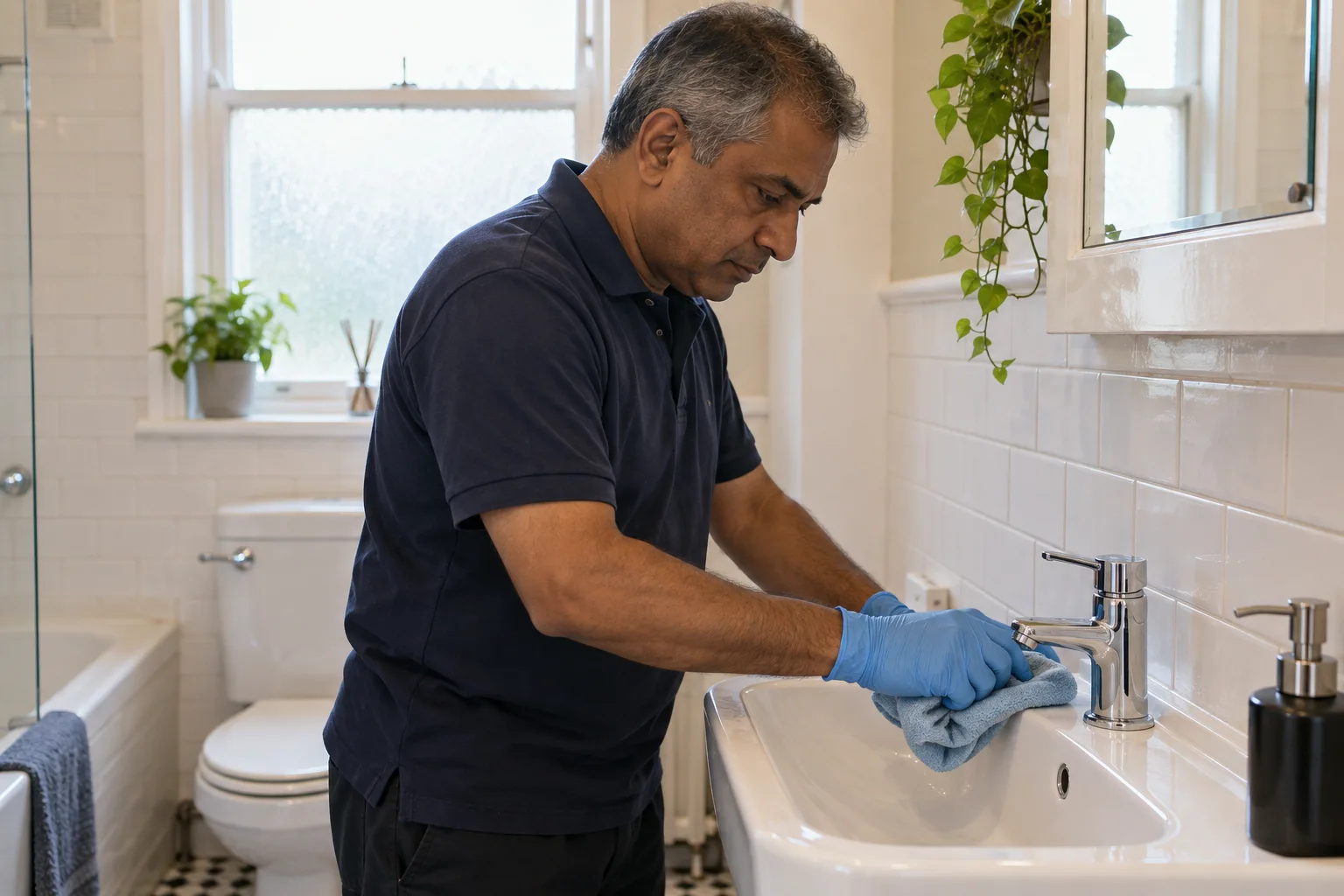
Clear the home and remove the pet before the visit
Remove pet bowls, bedding, toys, litter and your own belongings. Empty cupboards and drawers whose interiors need cleaning, take away food and rubbish, and keep water and electricity connected. A pet should be safely elsewhere during the appointment. If a carpet treatment is agreed, ask which furniture must be moved beforehand and which should stay in place; do not drag heavy landlord-owned pieces yourself. A clear room allows the team to see the material and work without repeatedly stopping to protect or relocate possessions.
Plan cleaning after removals and allow for the advised drying period before inspecting treated textiles or returning keys. If a contractor will repair a chewed frame or scratched door, arrange that separately and preferably before the final clean if it will produce dust. Let the booking team know about the repair schedule. Cleaning can address reachable hair and soil, while damaged wood, torn fabric or deep contamination may need different action. A tidy sequence avoids newly created debris landing on a finished carpet.
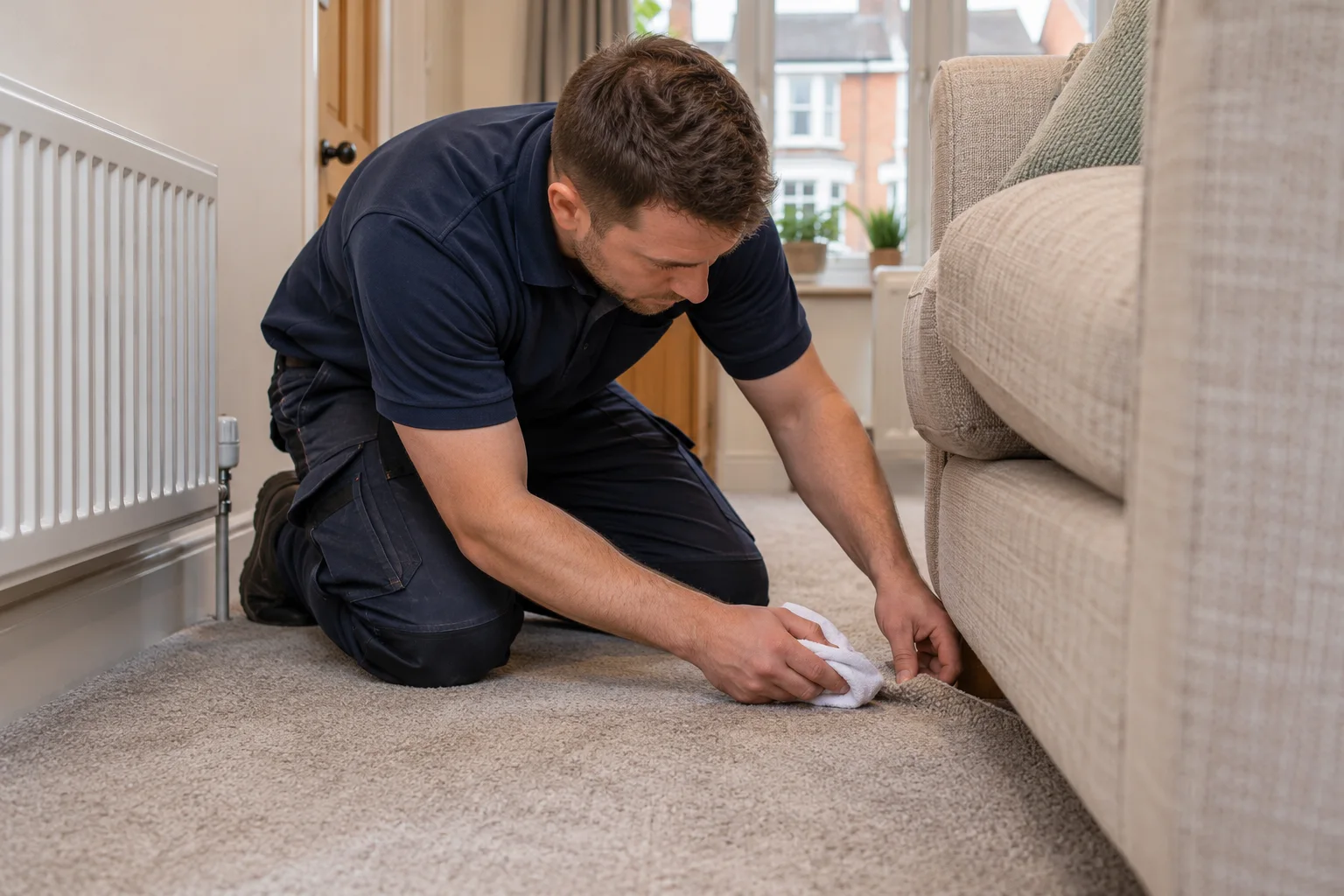
Understand what happens in the rooms
The agreed tenancy visit should address kitchen and bathroom detail, accessible storage, fittings and floors, with particular attention to the locations you identified. A separately agreed carpet or upholstery process depends on material assessment; it is not an automatic pass over every textile. If the team discovers an unstable dye, loose seam or condition that makes treatment unsuitable, the limitation should be explained. The exact sequence may vary with access and drying, but the written scope should make it possible to understand what was done in each room.
Do not judge a textile by whether a long-standing mark has vanished immediately. Cleaning can improve soil and hair while old dye changes, permanent staining or underlay odour remain. If a specific area was excluded, record why. Likewise, an internal window may be reachable while an outside face requires separate safe access. A handover clean does not replace pest control or repairs. Being explicit about these boundaries protects a tenant from confusing a cleaning limitation with an unperformed agreed task.
Inspect and document the relevant areas
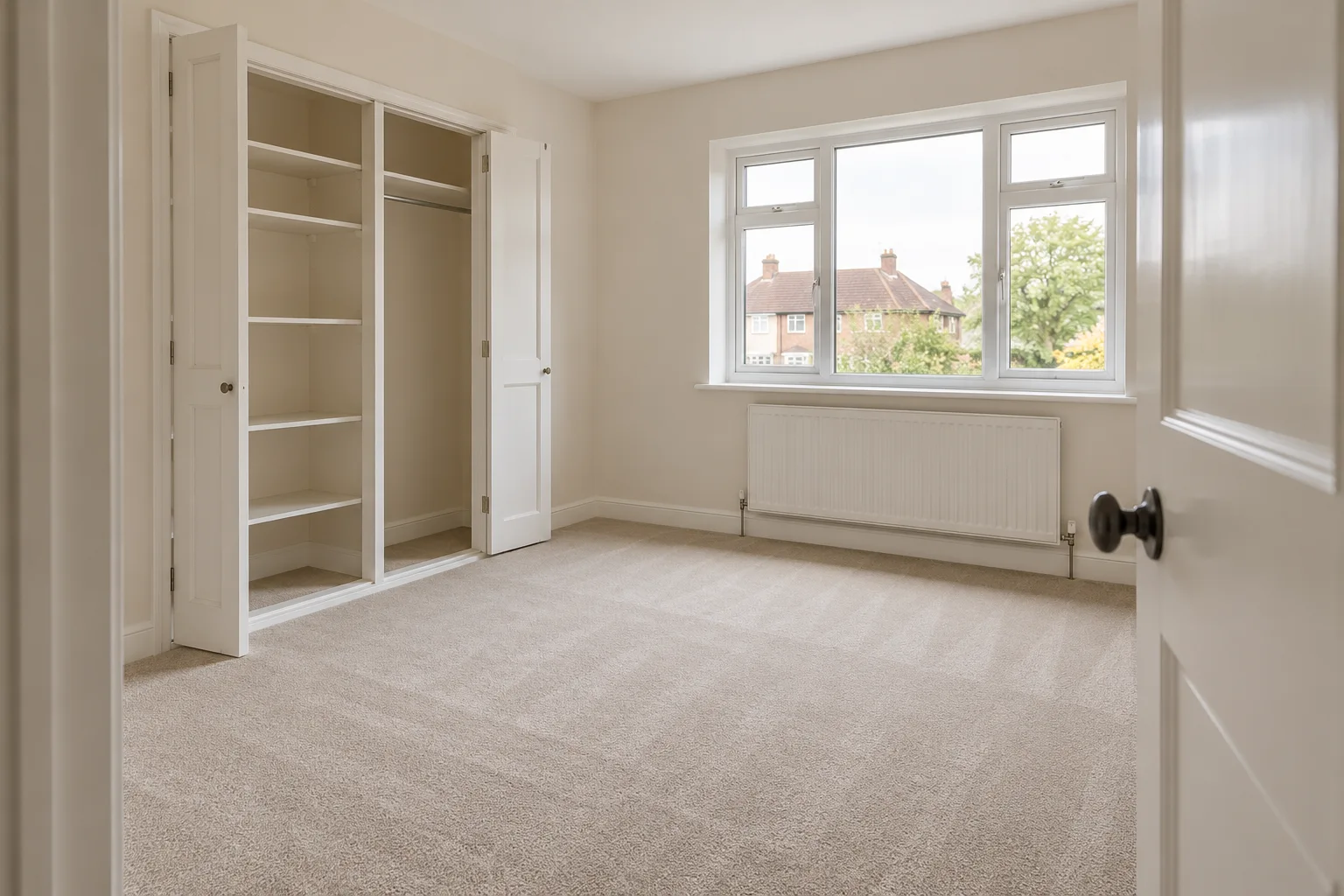
Before key return, review the kitchen, bathrooms and included storage, then check the named pet-related surfaces. Follow any drying advice before deciding how a treated carpet looks. Photograph a particular missed cleaning point and contact the team while you can still enter the property. If the issue is a persistent odour rather than visible soil, describe exactly where and when you notice it. That information is more useful than a broad statement that the room does not feel clean, and it may indicate a problem beyond surface treatment.
Keep the check-in inventory, any textile treatment details and checkout photographs together. They help distinguish pre-existing wear, pet-caused damage and the cleaning actually performed. The landlord or agent decides how the tenancy agreement and deposit apply; the cleaner can explain the work included and completed. A clear N16 address and a specific item list tie the record to the right property and the right surfaces. The result is a more meaningful handover than a generic statement that pets lived there.
Questions about this handover
Stoke Newington tenancy cleaning: practical answers.
Should pet hair in a Stoke Newington home be priced as carpet treatment?
Not automatically. Identify whether hair is on hard floors, carpet or upholstery, and photograph the affected item. General room cleaning and a separate fibre-specific treatment should be discussed as different tasks.
What if a Stoke Newington pet stain is already on the inventory?
Keep the check-in photograph and written condition note, then show the current mark. A suitable clean may address new soil, but pre-existing staining and wear should be distinguished during the agent’s checkout.
Can a Stoke Newington carpet odour come from beneath the surface?
Yes, an accident can affect backing or underlay, which a surface treatment may not resolve. Tell the booking team where the odour is strongest and what happened if known, so limitations can be discussed honestly.
How should landlord-owned upholstery in Stoke Newington be assessed?
Identify the item in the inventory, show its care label and photograph any mark or seam weakness. Upholstery treatment is a separate decision; not every fabric tolerates the same process or can be guaranteed stain-free.
Where should my pet be during a Stoke Newington clean?
Arrange for the animal to be safely elsewhere for the appointment. Remove bowls, bedding, toys and litter first so the team can reach the agreed floors and surfaces without handling pet possessions.
Does Stoke Newington carpet work need drying time before checkout?
Ask for the likely drying guidance when a specific textile process is assessed. Leave an interval before handing over keys or judging the final appearance; the time depends on material and conditions.
Can cleaning repair scratched Stoke Newington skirting?
No. Photograph scratches and place them on the agent’s damage or repair list. The team can clean accessible skirting soil, but repainting or replacing woodwork is a different task.
What if my own rug is leaving the Stoke Newington rental?
Remove it before the visit so the floor underneath can be inspected. There is no reason to include tenant-owned textile treatment in the property handover unless you request it separately.
What should I inspect after a Stoke Newington pet household clean?
Check the agreed kitchen, bathrooms and storage, then revisit the specific hair or textile areas you named. Follow drying advice and photograph a particular missed cleaning task before surrendering keys.