
Move Out Mates / Catford
End of Tenancy Cleaning in Catford
If a repair has recently been completed in your Catford rental, ask whether the contractor will finish and clear their dust before you book the final tenancy clean.
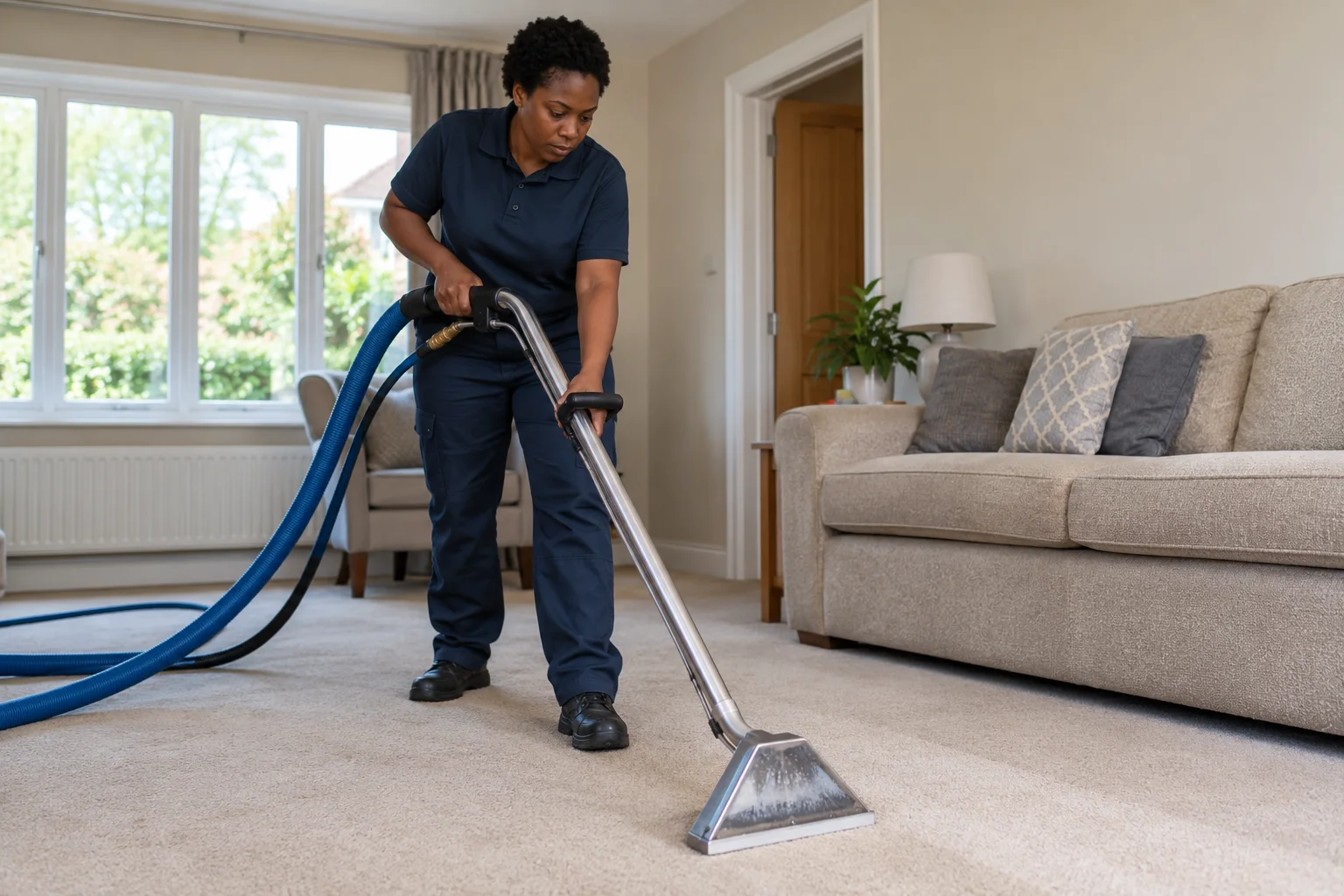
Check that the repair is actually complete
Plaster debris from a repaired wall is different from everyday kitchen grease or bathroom scale. Catford is in SE6; give the complete postcode and explain which room was affected when you first call. We can discuss a cleaning scope for the whole home and assess any remaining repair residue, while you keep photographs and messages about the underlying fault for the agent. That prevents cleaning from being used to hide an unfinished maintenance job.
Confirm with the landlord or contractor that tools, offcuts and waste will be removed and that any fresh surface is ready to be touched. If a wall has just been painted, follow the product’s curing guidance; wiping it too early may damage the finish. Photograph the repaired area before cleaning, including any remaining dust or stain. Do not assume the cleaner can correct rough plaster, an uneven coat or a continuing leak. Those are repair outcomes to discuss with the person responsible for the work.
If the contractor must return after the clean, decide whether to postpone the final visit or accept that dust may recur. A quick wipe before another drilling session is not the same as a handover clean. Put the repair and key-return dates on the same timeline, allowing time for removals as well. This sequence is more useful than trying to fit cleaning into the first available gap. A repair can also leave fine dust inside adjacent cupboards if their doors were open. Show those interiors in the photographs and state whether they will be emptied. Do not assume every nearby item needs the same treatment; a washable shelf and a fabric curtain may respond differently. The quote can then identify the affected accessible surfaces instead of pricing a whole room from one dusty image.
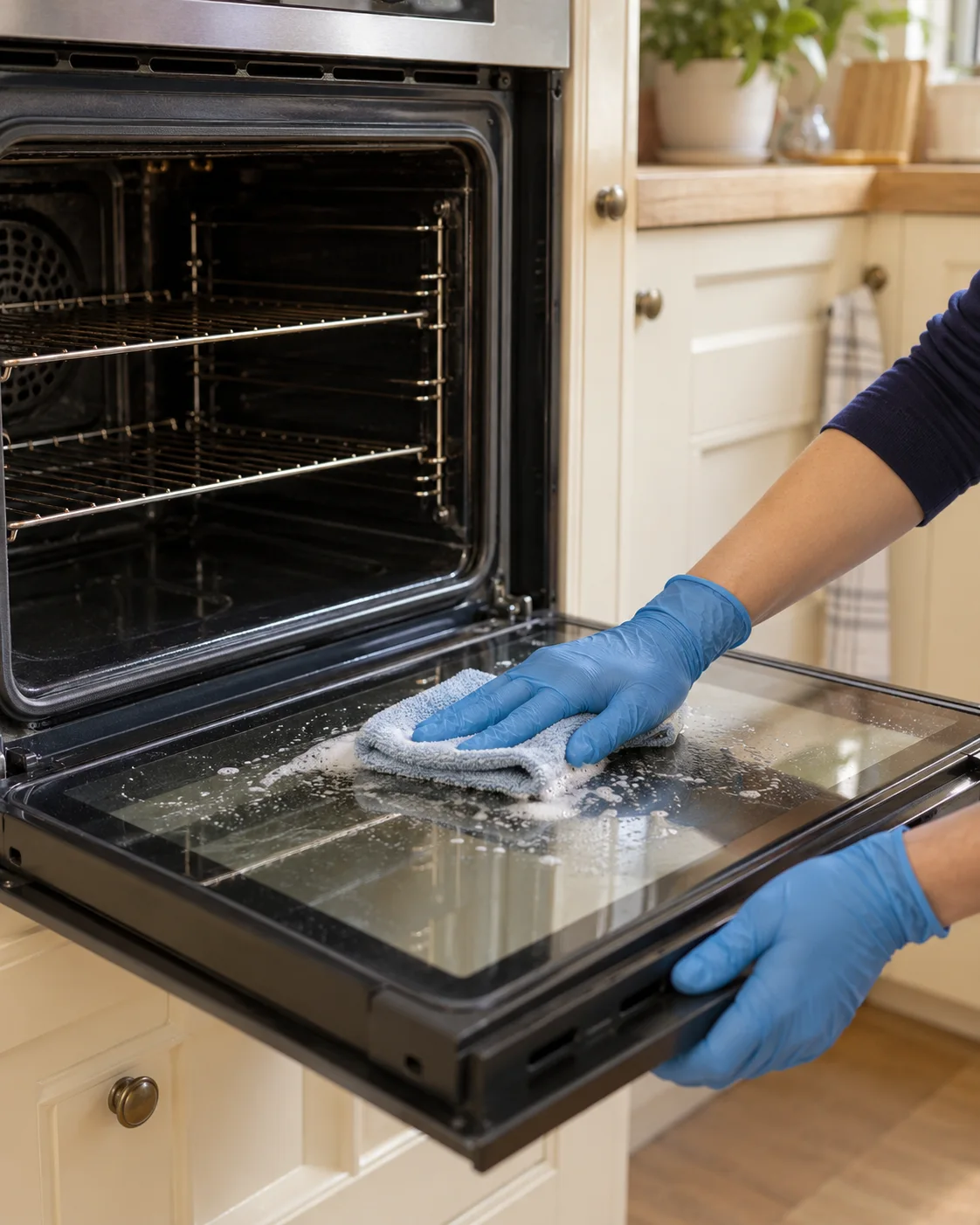
Ask for two descriptions of the property
First describe ordinary tenancy cleaning: number of rooms and bathrooms, kitchen appliances, floor materials, storage interiors and any landlord-owned furniture. Then describe the repair residue: the affected room, surface material, photographs and whether the dust is fine, sticky or mixed with paint. Separating the two helps us quote the cleanable work and identify anything requiring assessment. An SE6 postcode and bedroom count alone cannot explain a newly repaired ceiling or a cupboard still packed with belongings.
Ask the written quotation to name oven and fridge interiors if needed, accessible internal glass, bathrooms and floors. If carpet extraction, upholstery, waste disposal or specialist builders’ residue is required, request it specifically. Published starting prices provide a broad size guide, but the final price depends on condition, access and agreed extras. A scope that states exclusions is more useful than a vague promise that the property will be perfect.
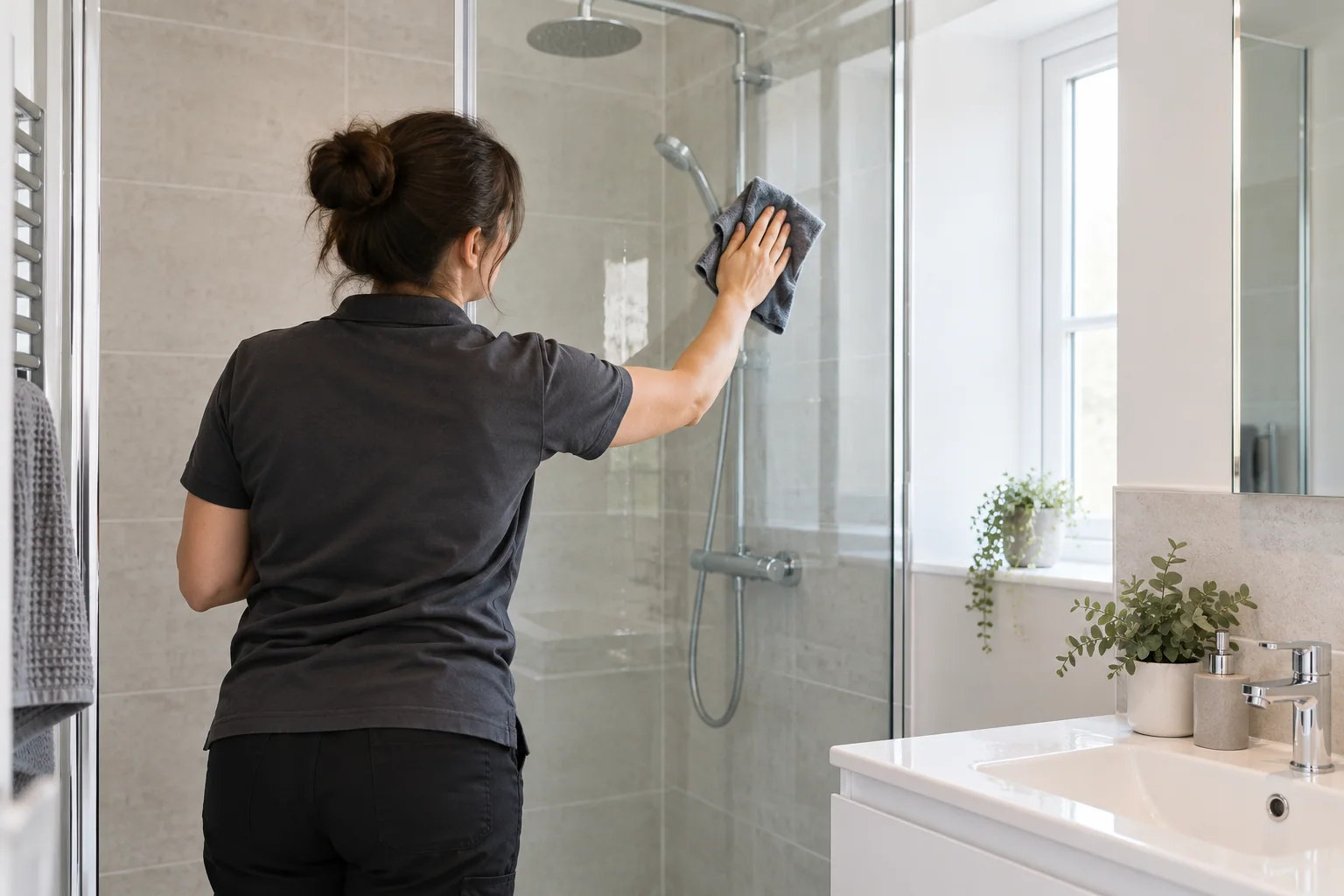
Prepare without disturbing the repair record
Remove personal belongings, rubbish and food, empty storage and appliances that need interior cleaning, and keep water and electricity on. Give a reliable key contact and any entry instructions. If the repaired room still has a protective covering, clarify who will remove it before the visit. A cleaner should not have to decide whether it belongs to a contractor or whether lifting it will expose uncured material. Point out any fragile patch or product that has already been applied.
Compare the repair area with the check-in inventory and your correspondence. A pre-existing water stain, a newly repainted patch and ordinary dust each tell a different story. Keep photographs for yourself before any residue is removed. That record can help you explain why a discoloured area remains even if surrounding surfaces are clean. Cleaning should improve inspectable condition without erasing evidence of a fault the landlord still needs to resolve.
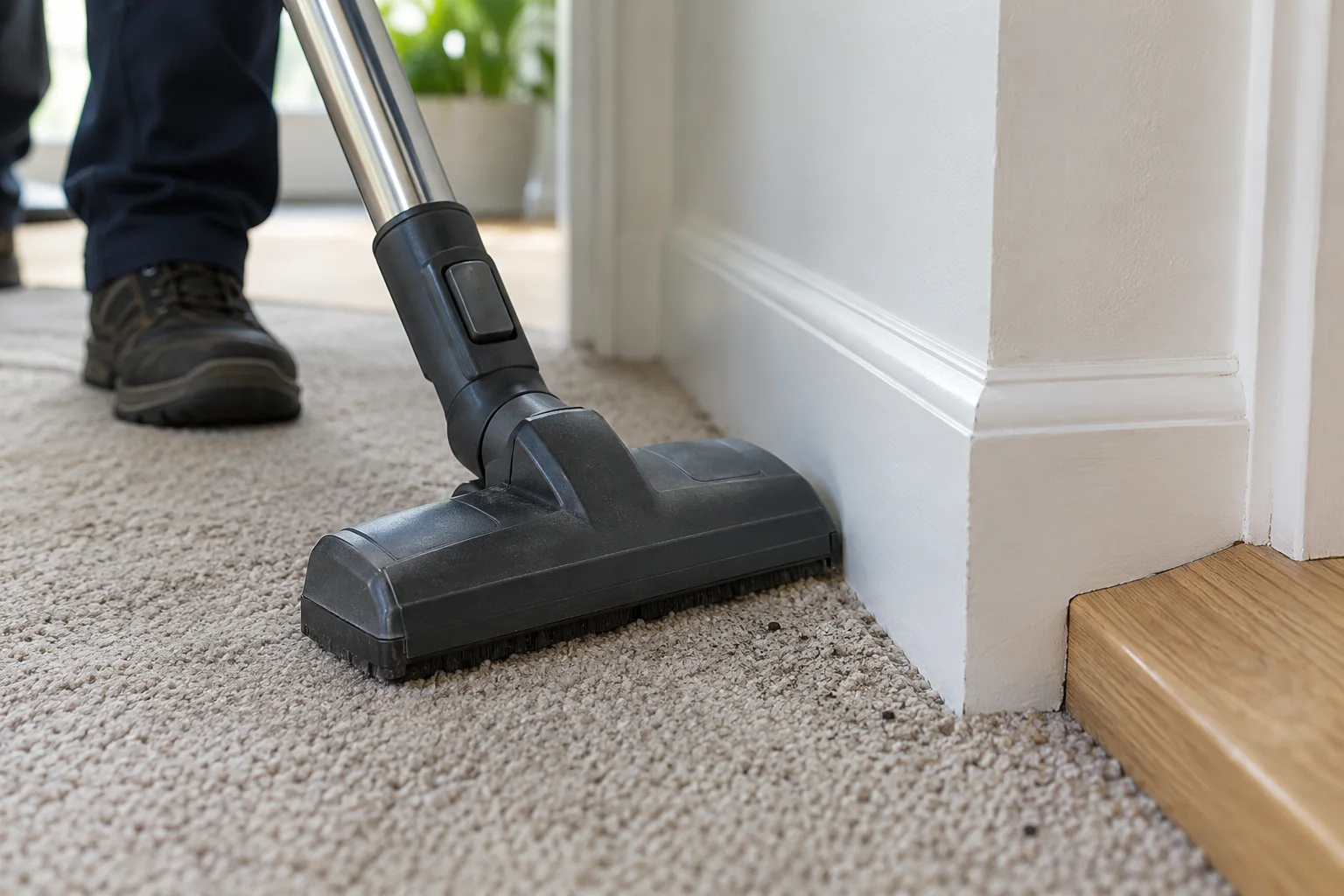
Work through the home after the dust source stops
The agreed visit may start with higher accessible ledges and empty storage, then address kitchen grease, appliance work and bathroom residue. Floors are normally left until dusting above them is complete. The repaired room may require additional care depending on its surface and whether fine particles have settled elsewhere. If a material is still fragile, the safe response may be to avoid a treatment and document why. An aggressive wipe that pulls away fresh paint does not help your handover.
Cleaning can remove suitable surface dirt; it cannot stop a leak, repair plaster or guarantee that dust will not reappear after another trade visits. If an agent expects the repaired surface itself to look different, direct that to the repair contractor or landlord. Keep any specialist treatment, such as carpet extraction after water damage, as a separately assessed matter. The source and material condition determine whether it is appropriate.
Inspect the repair area and ordinary rooms separately
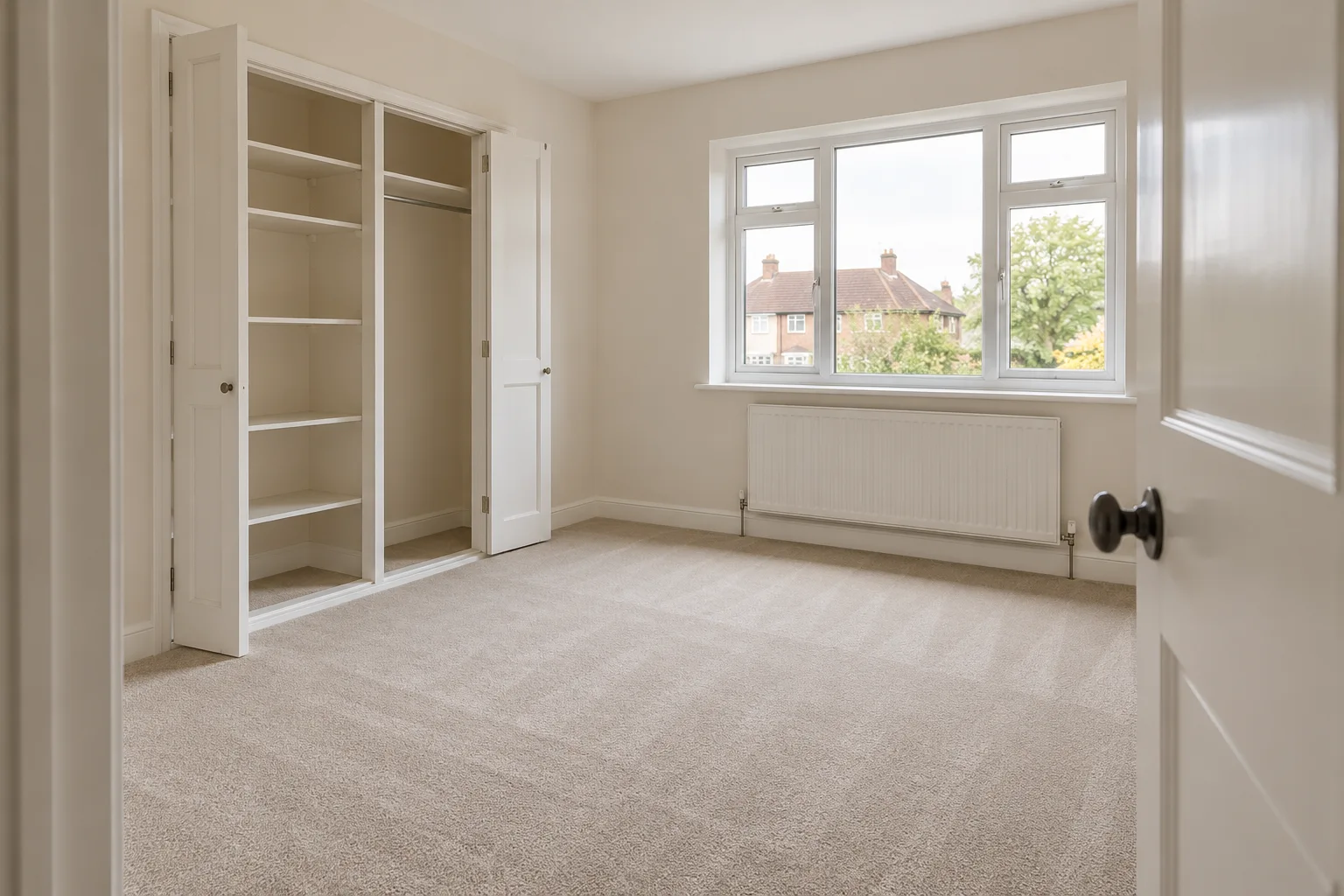
After the visit, inspect kitchen cabinets and appliances named in the quote, bathroom fittings, floors and the rooms unaffected by the repair. Then look at the repaired area and any dust paths from it. Take dated photographs of both. If an agreed cleaning task appears missed, report its exact location promptly. If paint, damp or an unfinished fitting remains, raise it as a property-condition concern with the agent instead of asking a cleaner to attempt another scrub.
Keep the inventory, repair messages, cleaning quotation, receipt and photographs together for check-out. This shows which issue belonged to the tenancy clean and which belonged to maintenance. No receipt can guarantee a deposit outcome, but a clear record prevents a vague statement about ‘dirty walls’ from confusing residue with an incomplete repair. Leave time between the clean and key return to make that distinction while you still have access.
Questions about this handover
Catford tenancy cleaning: practical answers.
Can a Catford clean happen while a repair is still underway?
A final clean is best after the contractor finishes, removes waste and leaves surfaces ready to touch. Further drilling or sanding can undo cleaning. Give both appointment dates before booking.
What photographs help explain repair dust in Catford?
Show the repaired surface, adjacent shelves and any fine dust in a wide and close image. Identify whether paint or plaster is fresh. The team can assess suitable residue without being asked to correct the repair itself.
Can a cleaner remove paint flecks after a Catford repair?
It depends on the paint and underlying material. Send close photographs and say whether a product has already been tried. Scraping can damage flooring or fittings; an unfinished paint job may need the contractor back.
Should cupboards near a Catford repair be emptied?
Yes, if you want their interiors cleaned. Fine dust may have settled inside, but the team cannot reach it through stored belongings. List the affected cupboards separately from ordinary kitchen storage.
What if the Catford wall is still damp?
Report it to the landlord or contractor before cleaning. A cleaner cannot stop a leak or dry damaged plaster by wiping it. The affected surface may need to be excluded until the cause and material condition are resolved.
Does a Catford after-repair clean replace a tenancy clean?
Not necessarily. The kitchen, bathroom, appliances, storage and floors still need their own scope. Describe both the repair residue and ordinary end-of-tenancy tasks so neither is assumed to cover the other.
Who removes contractor waste from my Catford property?
The responsible contractor or a separately arranged waste service should clear tools, offcuts and packaging before the cleaning visit. Ordinary cleaners should not identify or dispose of unknown building materials.
How should I record a Catford repair at check-out?
Keep the landlord’s messages, before-and-after photos, cleaning scope and any contractor record. This helps separate a missed dusty shelf from unfinished plaster or a continuing leak in the agent’s report.
Can carpet near the Catford repair need separate treatment?
Possibly. Show whether the problem is loose dust, a stain or water damage. Vacuuming and extraction are different services; a wet or damaged carpet needs appropriate assessment before a cleaning promise is made.