
Move Out Mates / Chiswick
End of Tenancy Cleaning in Chiswick
If your Chiswick rental has timber flooring, the most important cleaning question is often what finish it has, not how much water can be used. Too much moisture or an unsuitable product can leave a worse result than an ordinary scuff.

Identify the floor finish before choosing a treatment
Chiswick is in W4; tell us the full postcode, the floor material and any care guidance when you enquire. Add photographs of the kitchen, bathrooms and notable marks so the quotation covers the whole tenancy, with floor care matched to the actual surface. We can explain the proposed work and its limits before you decide on the booking.
Look for the landlord’s care instructions or a description in the inventory. A sealed timber floor, oiled board and laminate can have different tolerances. Photograph the floor in daylight, including a close view of any mark and a wider view of the room. Tell us about products you have already used. If a board is lifted or a finish has worn through, cleaning may remove loose dirt but will not repair it. That condition belongs in your handover record.
Do not assume a steam treatment or heavy mopping is suitable because it sounds thorough. The method should follow the actual finish and its condition. If you cannot identify the material, say so during the quotation. A cautious test or an excluded treatment can protect the landlord’s floor better than an aggressive attempt to make a scratch disappear. Cleaning and refinishing are separate jobs with different expectations. If the inventory photographs show a rug covering part of the timber, take a new photograph after your rug is removed. The covered area may be a different colour from exposed boards because of light, not dirt. That difference should be documented before cleaning. Asking for more moisture or abrasive work on a colour change can damage the finish without solving the concern.
Explain where the floor fits into the clean
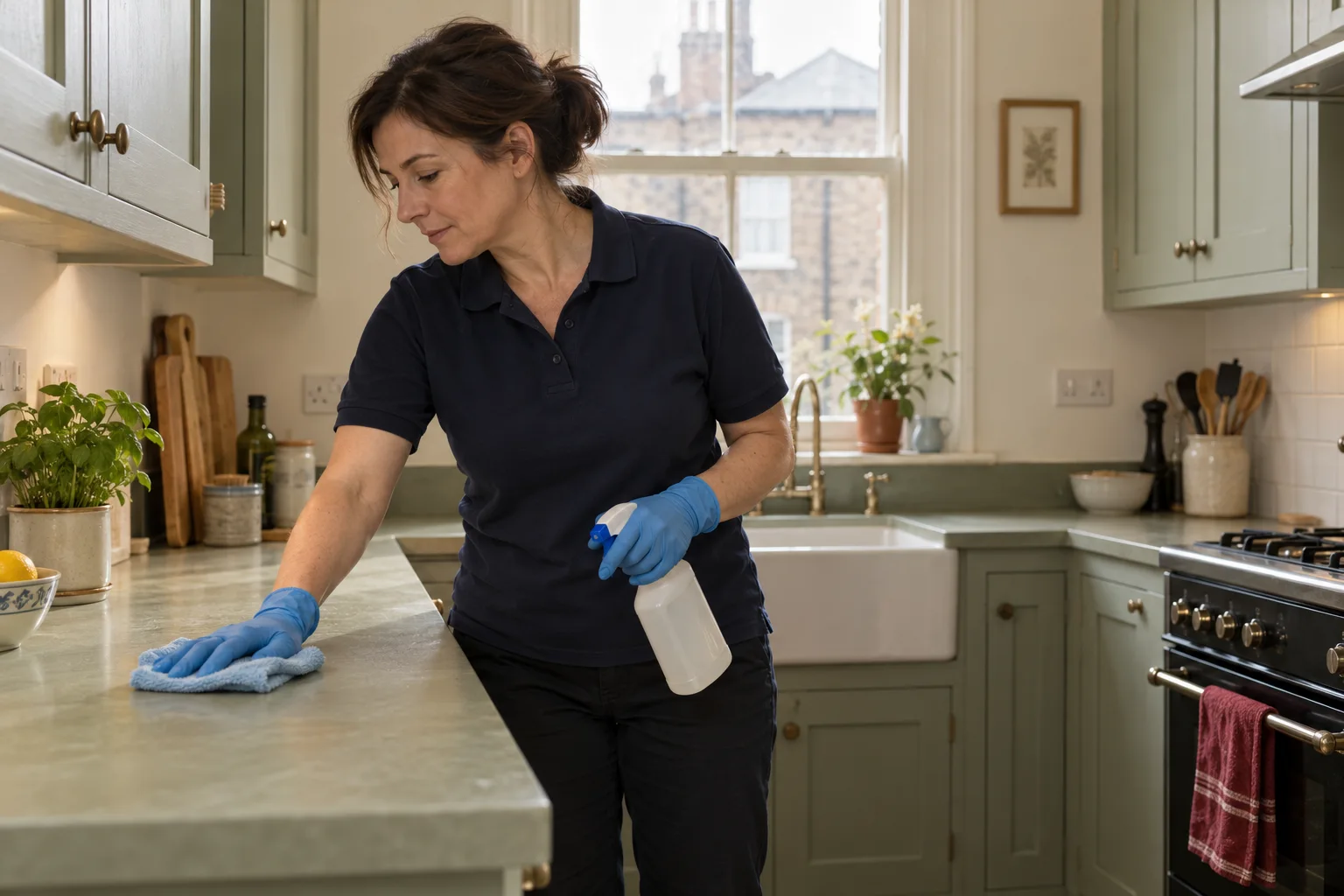
Give the number of rooms and bathrooms, kitchen appliances, target date and whether furniture will stay. Ask for the quote to name internal storage, oven and fridge interiors, bathroom fittings and accessible internal windows where relevant. Then specify the flooring room by room. A home may have timber in living areas, tile in bathrooms and carpet in a bedroom; one floor method cannot cover all three. The final price depends on condition, access and chosen extras rather than bedroom count alone.
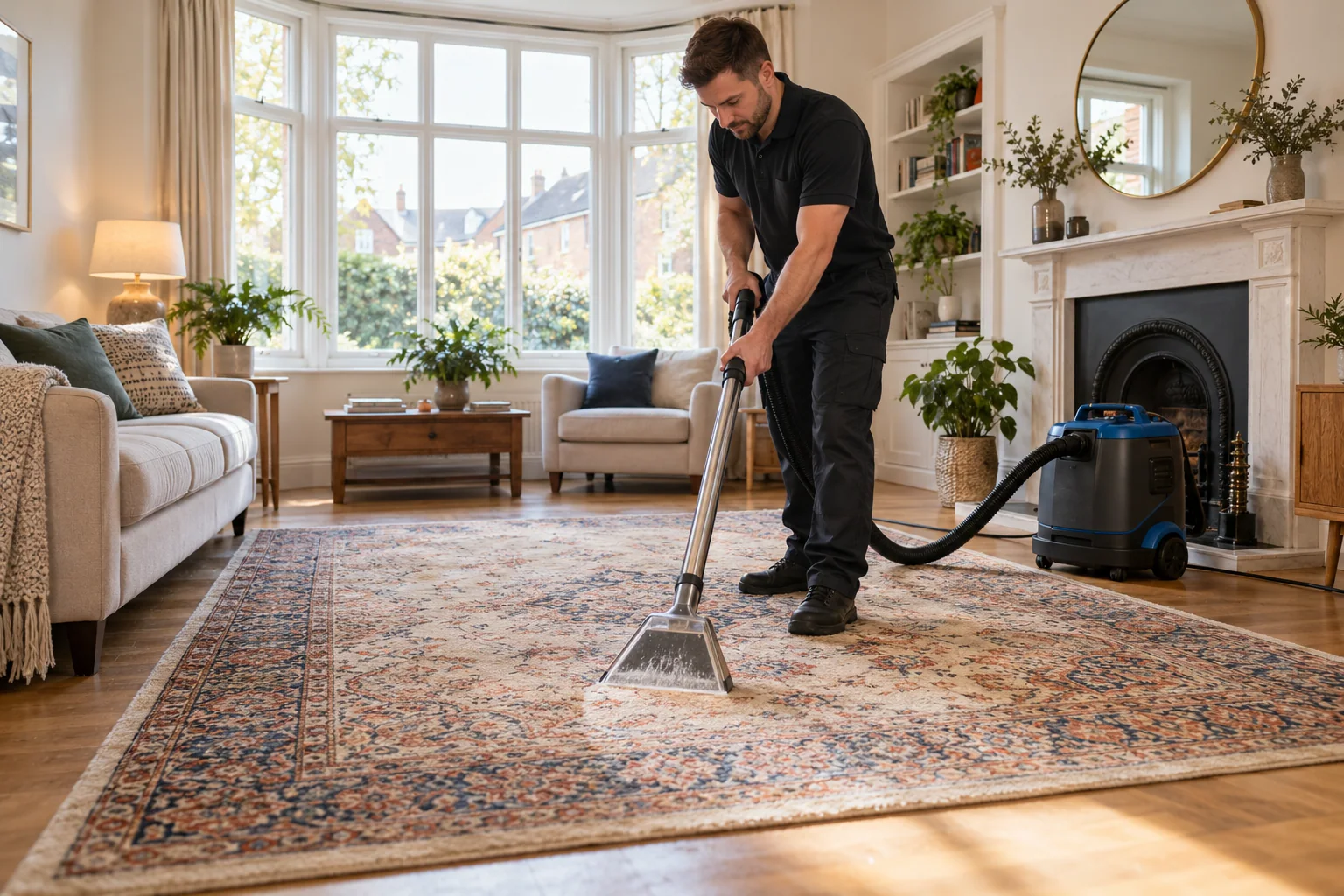
If there is a stain in carpet or a marked rug over the timber, ask separately about treatment. Removing the rug may reveal a colour difference from light exposure that cleaning cannot resolve. Similarly, furniture feet may leave indentations or scratches. Photograph those conditions and compare them with the check-in record. A quoted tenancy clean should be able to state what soil it will address and what material change lies beyond it.
Arrange an empty route through the rooms
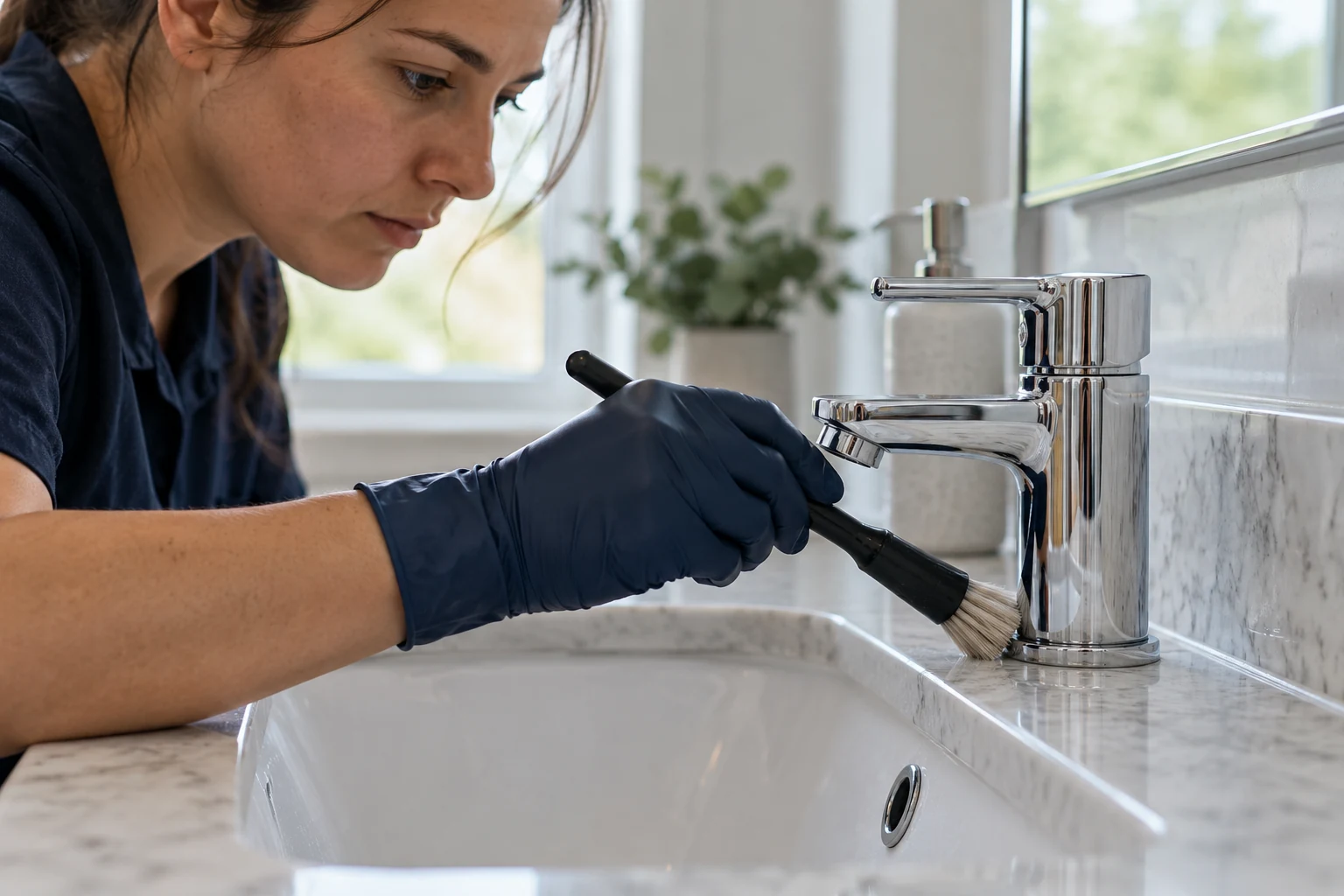
Remove boxes, rugs that belong to you, food and rubbish before the visit. Empty cabinets and appliances that are included internally. Keep water and power available, and confirm who will provide keys. If landlord furniture stays, identify it and do not assume the cleaner can drag it across timber to reach underneath. Discuss safe access in advance. A clear route lets higher dusting, kitchen and bathroom work finish before floor cleaning begins.
Tell us about any fresh spill, recently applied oil or loose board on arrival. If removers will return after the clean, the flooring may be scuffed again; schedule heavy movement first where possible. Avoid laying protective plastic over a floor that has just been damp cleaned without checking drying and material guidance. The best handover sequence protects both the surface and the evidence of how it looked when the cleaner finished.

Let material safety guide the visit
The team should confirm the agreed scope and inspect the surface before applying a product. Accessible higher fittings and storage can be cleaned, followed by suitable kitchen grease and bathroom scale work. Floors are then addressed with methods appropriate to each material. A timber finish may call for restraint; a heavily soiled tile may need different attention. The exact sequence can vary, but the principle is to avoid using one strong product throughout the home.
Not every visible mark is dirt. Water staining, bleaching, deep scratches and worn coating may remain after safe cleaning. If treating a mark risks damage, that should be explained rather than hidden. Ask the agent whether they expect repair or refinishing separately. A cleaning company cannot determine a deposit outcome, and a glossy photograph does not prove the finish is sound. The written scope and condition record give a more accurate account.
Check the floor in changing light
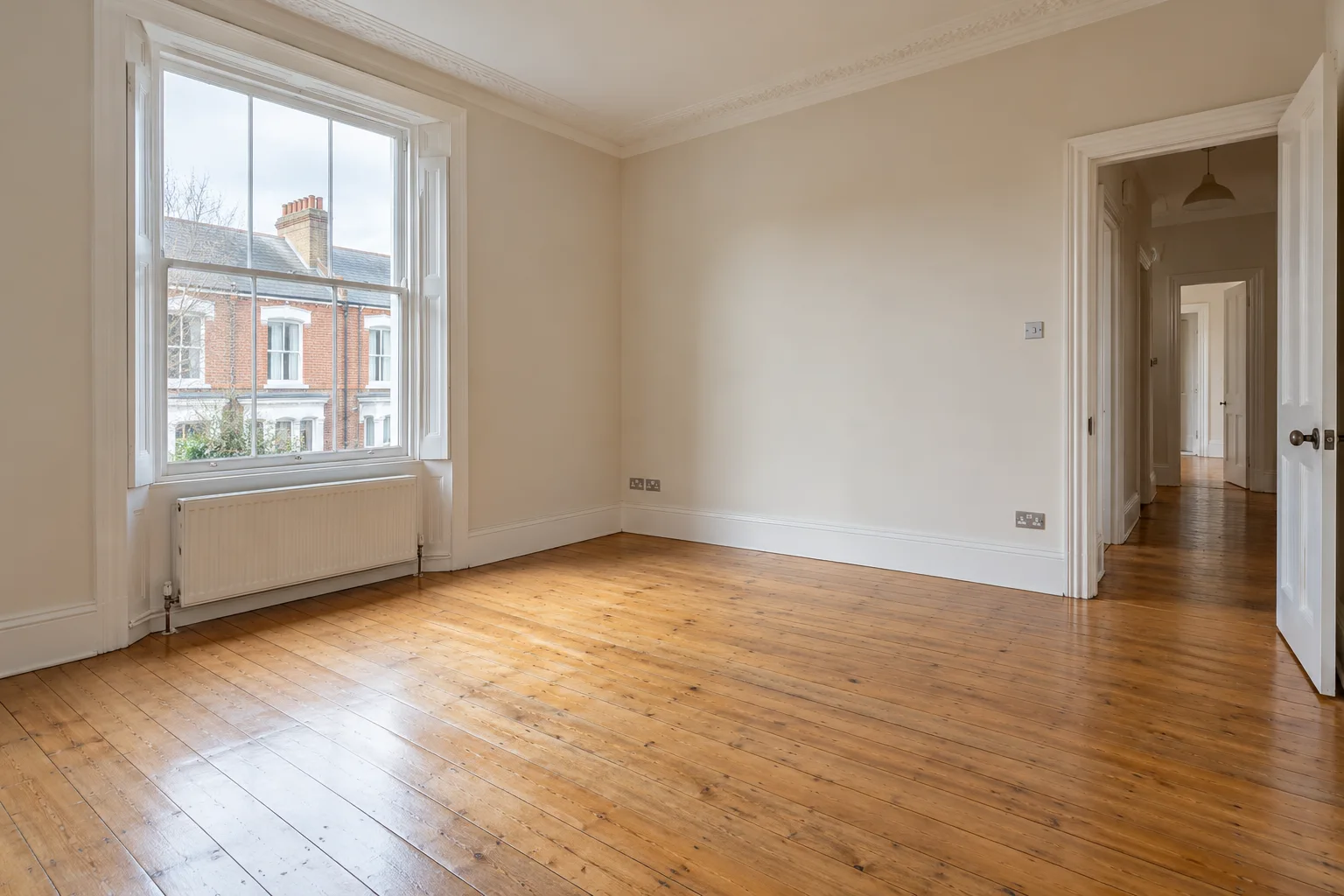
After the visit, view the Chiswick floor from more than one angle and inspect the accessible edges. Then check the rest of the quoted work: emptied storage, named appliance interiors, bathrooms and internal glass. Take dated photographs in good light. If there is a specific patch of removable dirt still present, send its location and image promptly. If the issue is a scratch or failed finish, record it as condition rather than asking for more cleaning.
Keep the inventory, floor-care instructions, quote, receipt and before-and-after photos together. Your agent may inspect after furniture has been moved or after light changes the appearance of a mark. The record helps you distinguish original wear, new damage and cleaning. Allow time before key return to inspect calmly. A careful, surface-specific clean is a better final step than a rushed treatment intended to make every board look newly installed.
Questions about this handover
Chiswick tenancy cleaning: practical answers.
How do I identify my Chiswick floor finish?
Check the inventory or landlord’s care instructions and send photographs of the boards and any marks. If you cannot tell whether it is sealed timber, oiled wood or laminate, say so before a method is proposed.
Can a Chiswick timber floor be steam cleaned?
Do not assume steam is suitable. Heat and moisture may affect some finishes and joints. The cleaning approach should follow the actual material, condition and care guidance, with a safe limitation where those are uncertain.
Will a scratch disappear after Chiswick floor cleaning?
Cleaning can remove surface soil, not replace damaged wood or a worn coating. Photograph the scratch against the check-in record and discuss repair separately if the agent requires it.
Why is the floor lighter beneath my Chiswick rug?
A covered area may have received less light than exposed boards. Removing the rug can reveal a colour difference that is not dirt. Document it before cleaning; stronger scrubbing may not change it safely.
Should landlord furniture be moved on a Chiswick floor?
Identify it and agree safe access before the visit. Dragging heavy furniture can scratch timber. Accessible floor around it can be scoped, but an area underneath cannot be promised without a safe movement plan.
What if I used a floor product in Chiswick already?
Tell the booking team the product and when it was applied. Some residues or coatings react to later treatment. A close photograph and care guidance can help assess what is suitable next.
Do different Chiswick rooms need different floor methods?
Yes, list timber, tile, laminate and carpet room by room. A whole-property quote should not imply one wet process across all materials. Specialist carpet treatment is a separate decision if needed.
When should Chiswick floors be cleaned during the visit?
Normally after higher dusting, kitchen and bathroom work so particles do not settle back onto finished surfaces. Finish removals first and leave time for the floor to be inspectable before keys are returned.
What if a Chiswick board is loose or swollen?
Report it as a condition or maintenance issue and avoid an aggressive cleaning attempt. Photograph the area with the inventory. Suitable surrounding floor may still be cleaned, but the board itself needs a separate assessment.