
Move Out Mates / Ealing
End of Tenancy Cleaning in Ealing
If illness, disability or a difficult move means you cannot prepare every room yourself, tell us what assistance is available before booking an end-of-tenancy clean. The team can plan cleaning only around areas that are accessible and within the agreed service; packing and removal are separate tasks.
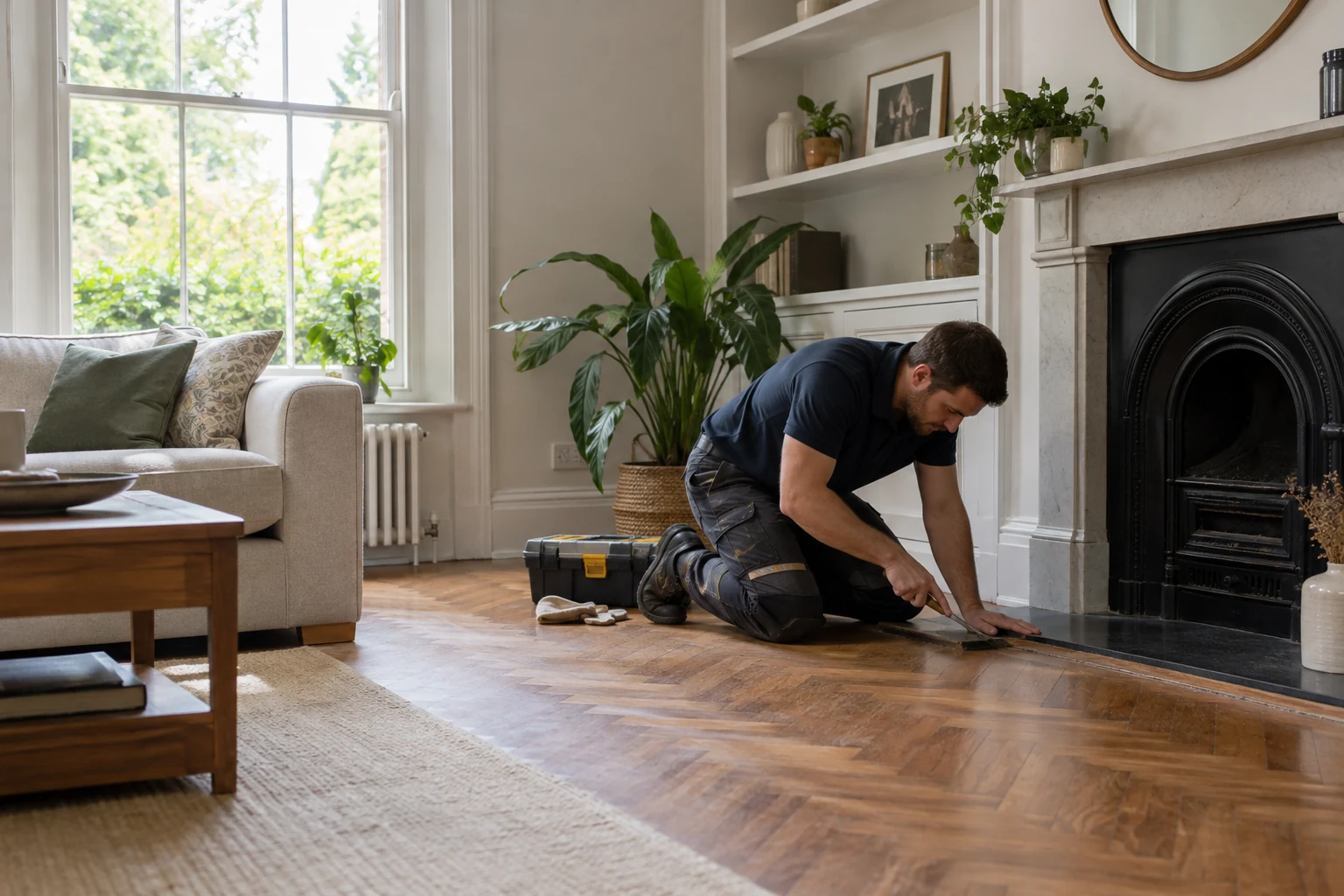
Make one realistic preparation list
Ealing includes W5 and W13 addresses, so provide the complete postcode and a reliable contact when you first call. Describe which belongings will be gone, which storage will be empty and when a helper can hand over keys. We can then discuss a practical scope without pretending the property will be vacant if it will not.
Identify the tasks that must happen before cleaning: remove personal items and rubbish, empty the cabinets you want cleaned inside, clear the floor and arrange access to appliances. If you need help with those jobs, organise it through a friend, removal company or appropriate support service ahead of the cleaning date. Do not feel obliged to do the cleaning itself first. What matters is that the property can be reached safely and the agreed surfaces are visible. If the agent needs an item removed before inspection, ask whether a helper can do that safely and when. Do not assume cleaning staff will lift furniture or dispose of belongings because you are unavailable. A separate, confirmed arrangement protects your time and avoids a misunderstanding at the door. It also helps the cleaner focus on the suitable surfaces rather than deciding what property may be moved.
If some areas cannot be cleared, list them honestly. A cleaner can sometimes work in the rooms that are ready, but should not promise an empty-property result for an occupied cupboard or floor. If equipment, a mobility aid or medical item remains, tell us how it should be left undisturbed. The arrangement can be handled respectfully without requiring personal medical details; the relevant facts are access, timing and what may safely be moved.
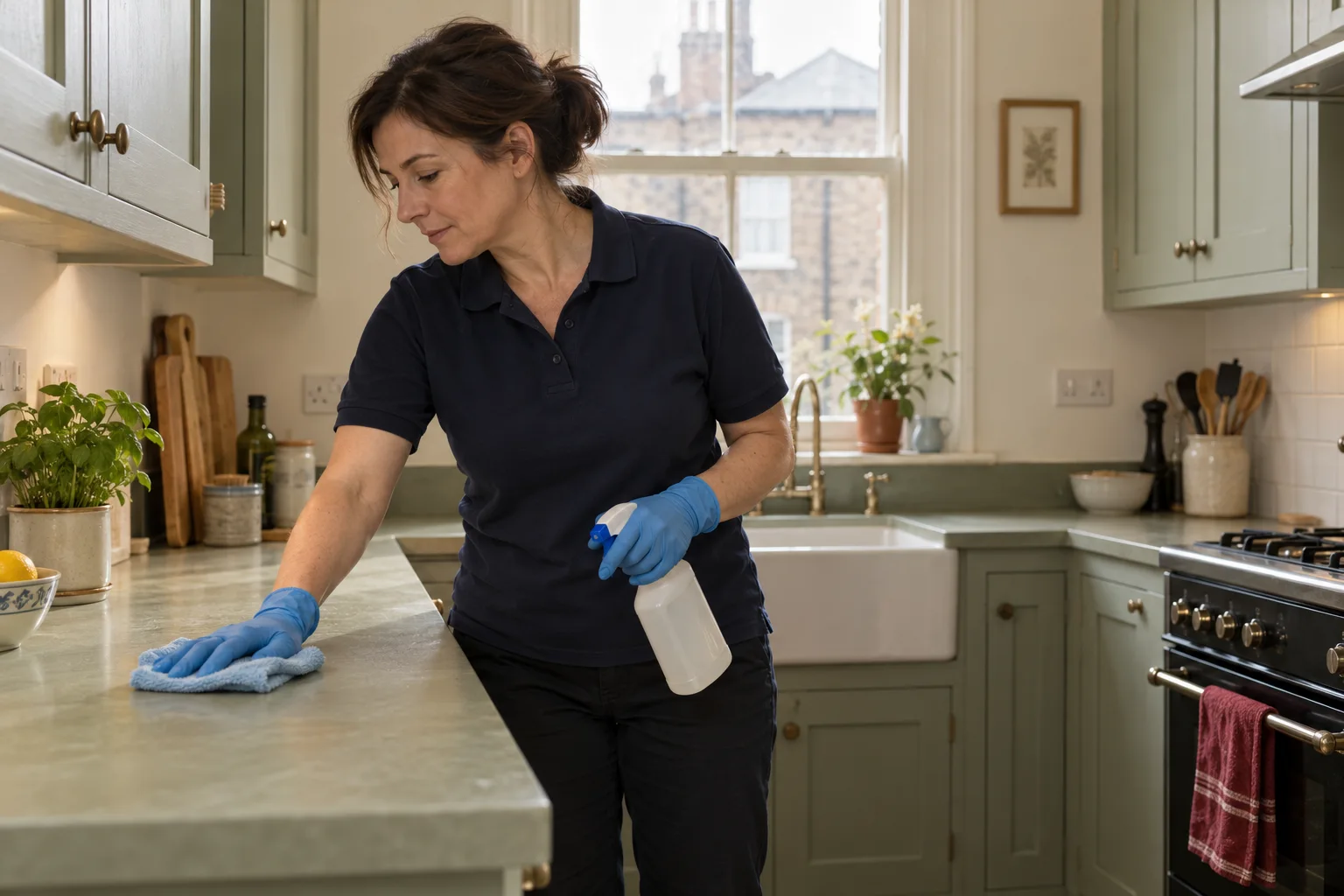
Use the quotation to remove uncertainty
Provide the full W5 or W13 postcode, room and bathroom count, target date, appliance list and photographs of actual condition. Say who will confirm entry and answer questions on the day. Ask for a written scope that names kitchen surfaces, oven and fridge interiors if needed, bathroom fittings, accessible internal windows, empty storage and floor care. Final pricing depends on condition, access and any extras, not solely on bedroom count. A clear list lets your helper prepare the right spaces.
If you also need carpet extraction, upholstery cleaning, disposal or furniture moving, ask about them as separate matters. They should not be hidden inside the word ‘deep’. A stubborn stain may improve without disappearing. If the agent has given a checklist, share it, but compare it with the tenancy and check-in inventory. Broken fittings and worn surfaces are not made new by cleaning, and a receipt alone cannot guarantee a deposit decision.
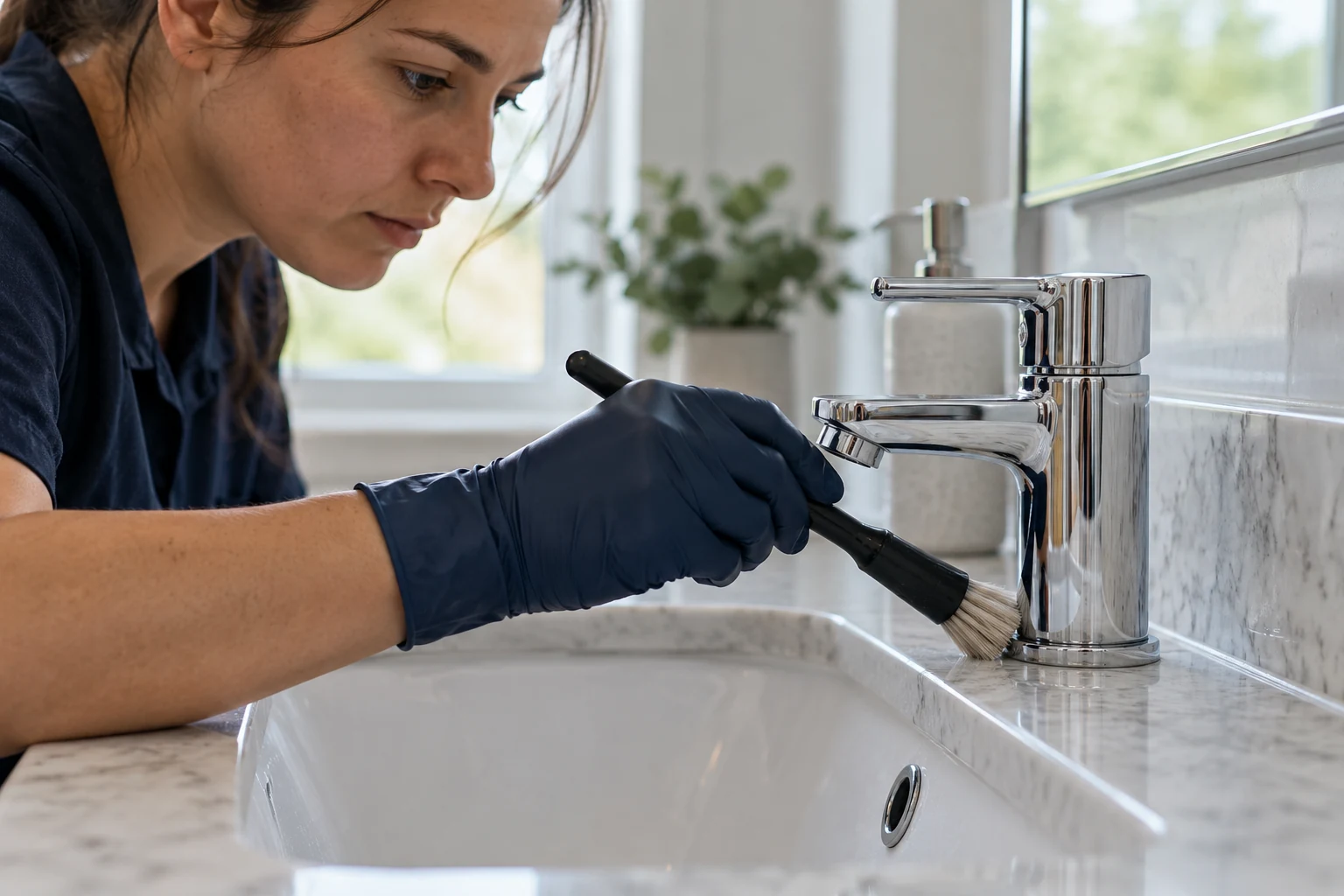
Plan the visit around the people involved
Decide whether you, a helper or an agent will provide the keys and who is authorised to discuss a change in scope. Give that person the written task list and photographs, not a vague instruction to ‘show them around’. Keep water and electricity available. If a lift, ramp or entrance needs a particular arrangement for equipment, confirm it for the property and pass the details on. Do not assume an access feature from the neighbourhood or postcode alone.
Leave a gap between removals, cleaning and key return. If a helper is still packing while the team arrives, confirm which rooms are ready rather than asking the cleaners to work through moving activity. Note any delicate floor, unstable fixture or previous product on a stain. The aim is a safe, predictable visit that does not require you to make a series of last-minute decisions while dealing with the move.

What can happen once access is clear
The team should check the agreed rooms and any limitations at the start. Accessible dust-prone fittings and empty storage can be addressed before kitchen grease, appliance interiors named in the quote and bathroom residue. Floors are normally considered after work above them, with methods suited to the material. If an area is still blocked, it should be recorded, not described as completed. The precise order can be adapted to the property and the helper’s agreed access plan.
A cleaner may identify damage, a leak or an unsafe fitting that needs the landlord’s attention. Those issues cannot be repaired as part of the clean. Similarly, an old stain may remain after suitable treatment. Ask for clear communication about what was cleaned and what could not be reached. A truthful limitation helps you plan the next step and is kinder than a reassuring but unsupported claim that every problem has been solved.

Use a simple handover checklist
If you cannot inspect in person, ask your chosen helper to walk through with the written scope. They should open included cupboards and appliance interiors, look at bathrooms, floors and accessible windows, and take dated photographs of each room. A precise image of a concern is more useful than a general message that something looks unfinished. Report an apparent missed task promptly while the team and keys are still available.
Keep the inventory, quotation, access notes, receipt and photos in one place. If the agent later raises a point, you can identify whether it was a booked cleaning task, an inaccessible area or a property defect. The process should give you a clear handover record without requiring you to perform tasks beyond your capacity. Advance planning makes the visit more effective for both the household and the cleaner.
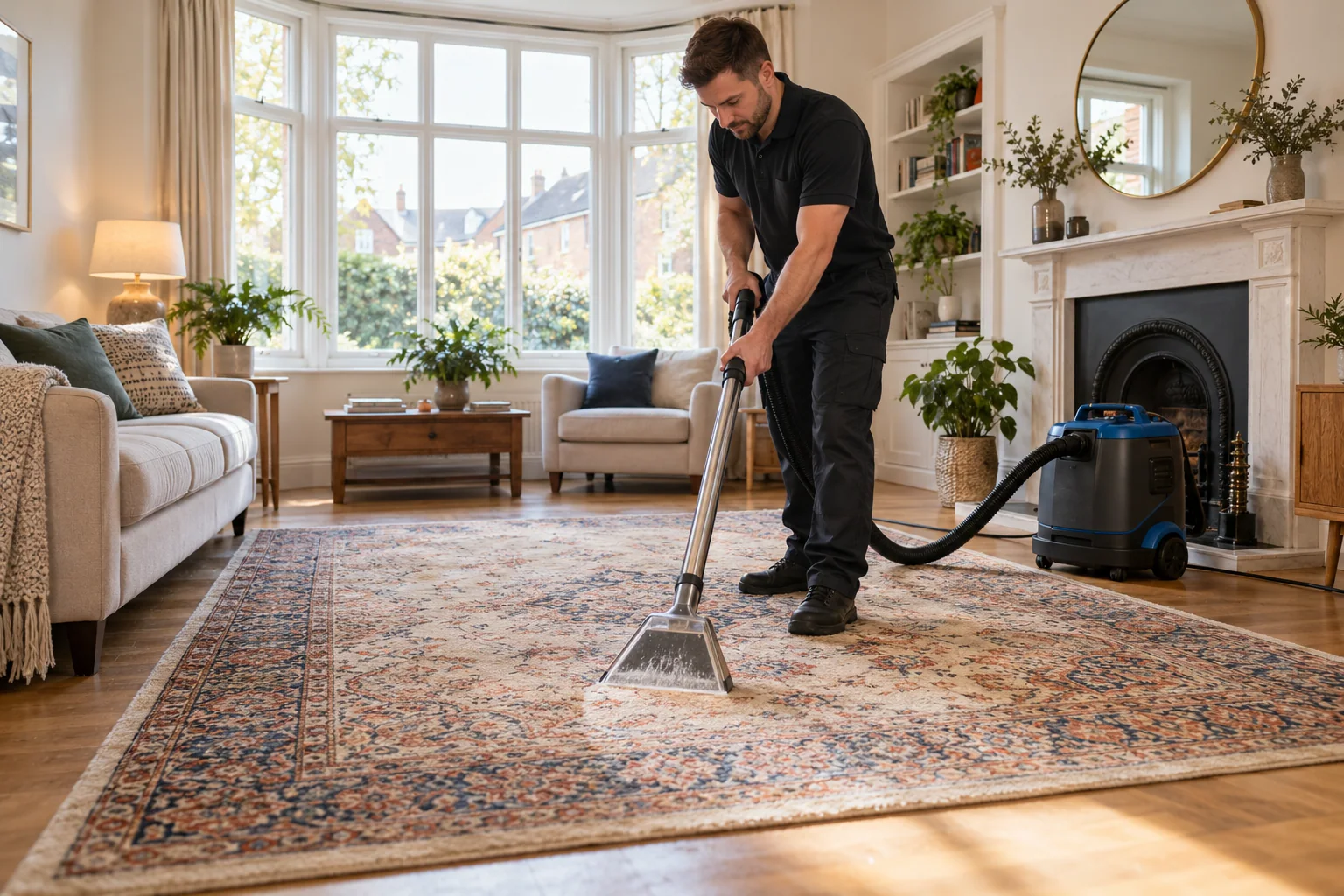
Questions about this handover
Ealing tenancy cleaning: practical answers.
Can I book an Ealing clean if I cannot move every item myself?
Yes, but arrange packing or removal support separately first and tell us what will remain. The cleaner can work only on accessible, agreed surfaces. A clear preparation list helps avoid an unsuitable vacant-property quote.
Do I need to disclose medical information for my Ealing booking?
No personal diagnosis is needed. Tell us the practical access details, whether a helper will attend and which items must stay undisturbed. The scope can be planned around those facts.
Can an Ealing helper meet the cleaners for me?
Agree a named key holder and give them the written task list, contact number and authority to answer scope questions. Confirm how keys will be returned and who will inspect before the agent arrives.
What if some Ealing cupboards cannot be emptied?
List them as occupied. Their exteriors may be reachable, but an interior full of belongings cannot honestly be counted as cleaned. If a helper can empty them later, a revised plan may be needed.
Will Ealing cleaners dispose of unwanted belongings?
Disposal and moving are separate arrangements. Arrange a suitable service or helper before cleaning day. The team should not decide which personal or medical items can be removed.
How should I describe an Ealing access aid or ramp?
Share only the details relevant to safe entry and equipment movement, including any building rule you have confirmed. Do not assume a ramp exists or is available from the postcode alone.
Can a partly occupied Ealing room be cleaned?
Only the genuinely reachable surfaces can be scoped. Tell us exactly what remains, and do not expect the floor or storage beneath it to be treated as vacant. A revised date may produce a better final result.
How can I inspect an Ealing clean remotely?
Give a trusted person the quote and ask them to check named cupboards, appliance interiors, bathrooms and floors, taking dated photos. A precise missed-item report is more useful than a general impression.
What should I tell the Ealing agent about an inaccessible area?
Record the access limit and why it remained, with photographs if appropriate. Keep it separate from a cleaning omission or property defect. A transparent record helps the later check-out discussion.