
Move Out Mates / Islington
End of Tenancy Cleaning in Islington
An Islington tenant leaving a flat in a managed building may need to coordinate three separate arrangements: the landlord’s checkout, the building’s access rules and the cleaning visit.

Reconcile the building rules with your tenancy
Those parties do not necessarily use the same timetable. At the first call, provide the full address and postcode; N1 is one Islington district, while N7 and others also occur across the borough. Send the inventory, room list, photographs and key deadline, then explain any actual concierge or lift booking requirement. A quote can then be confirmed for the property you occupy, rather than for an imagined typical Islington flat.
Ask the building manager whether visitors need advance registration, whether a service entrance is required and how keys or fobs are handled. Ask the landlord or agent separately what rooms and fittings they will inspect. A shared corridor may need to be kept free of boxes, but it is not automatically part of your interior cleaning contract. Likewise, the building manager’s rules do not tell the cleaner whether an oven or carpet is included in the tenant’s checkout obligations. Record the two sets of instructions clearly.
Provide the team with the correct flat number and entry procedure. If an agent is to release keys, confirm that the team is authorised to collect them. Do not assume parking or loading from the postcode; restrictions depend on the exact street and building. These practical details should be settled before the appointment is accepted, because a cleaner cannot inspect the flat from the street while waiting for a concierge who has not been informed.
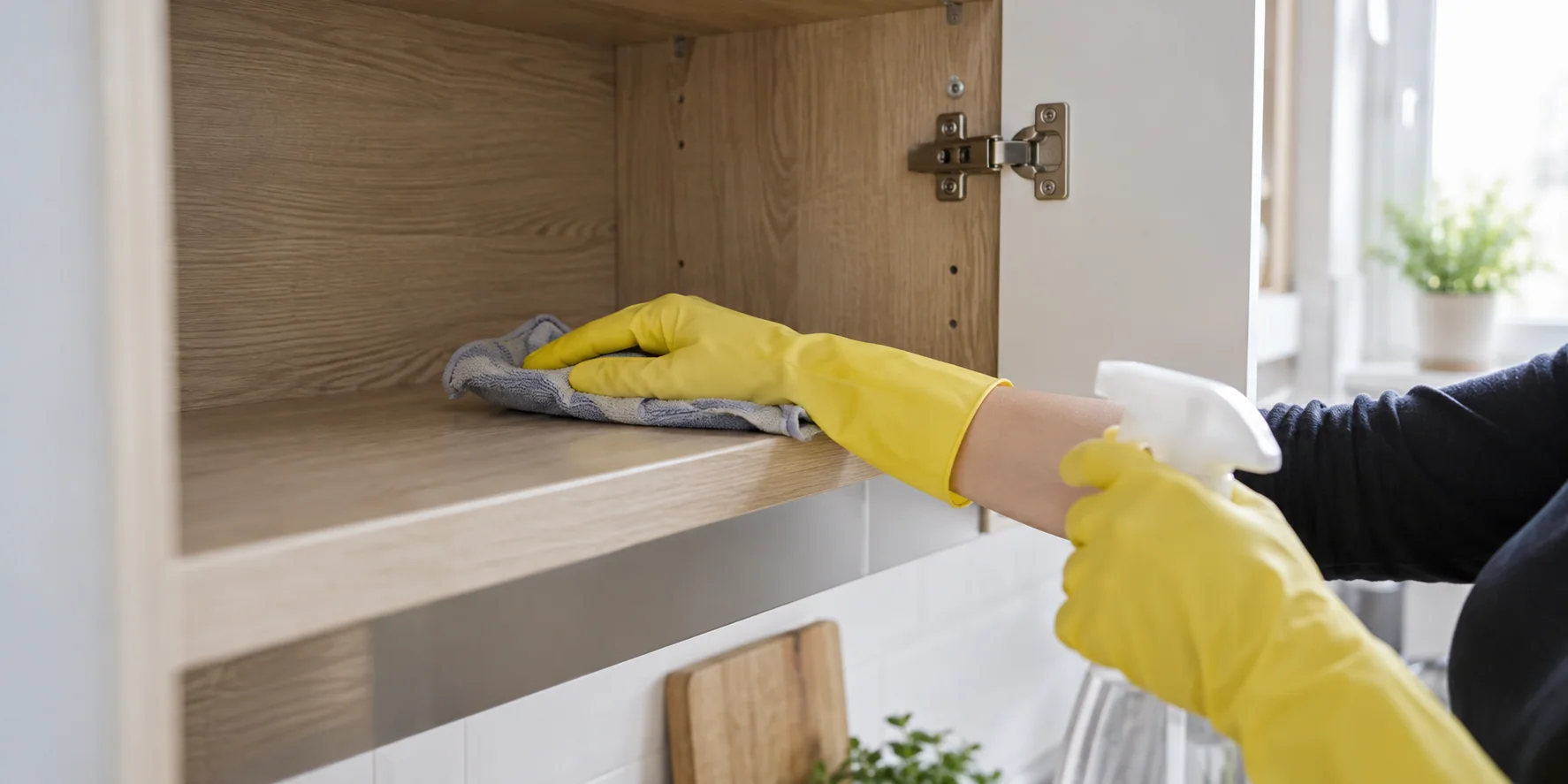
Quote the inside of the flat precisely
List bathrooms, kitchen appliances, built-in storage and any furnishings that remain. Send photographs of the oven, extractor, shower screen and any stubborn residue. Ask if the written price covers accessible cupboard interiors, internal window glass, fittings and floors. Carpets, upholstery, external windows and rubbish removal should be raised as separate services if needed. Starting prices are guides; the final quotation reflects size, condition, access and extras. A written scope helps the concierge or key holder understand what the visit is for.
Compare the scope with the agent’s checkout inventory. It may describe damage or wear that cleaning cannot correct. A scratched worktop, broken tile or mould beneath failed sealant should be recorded and discussed as condition issues, not hidden under an instruction to clean harder. If a mark’s removability is uncertain, ask what can safely be attempted and whether a specialist service should be considered before the keys are returned.
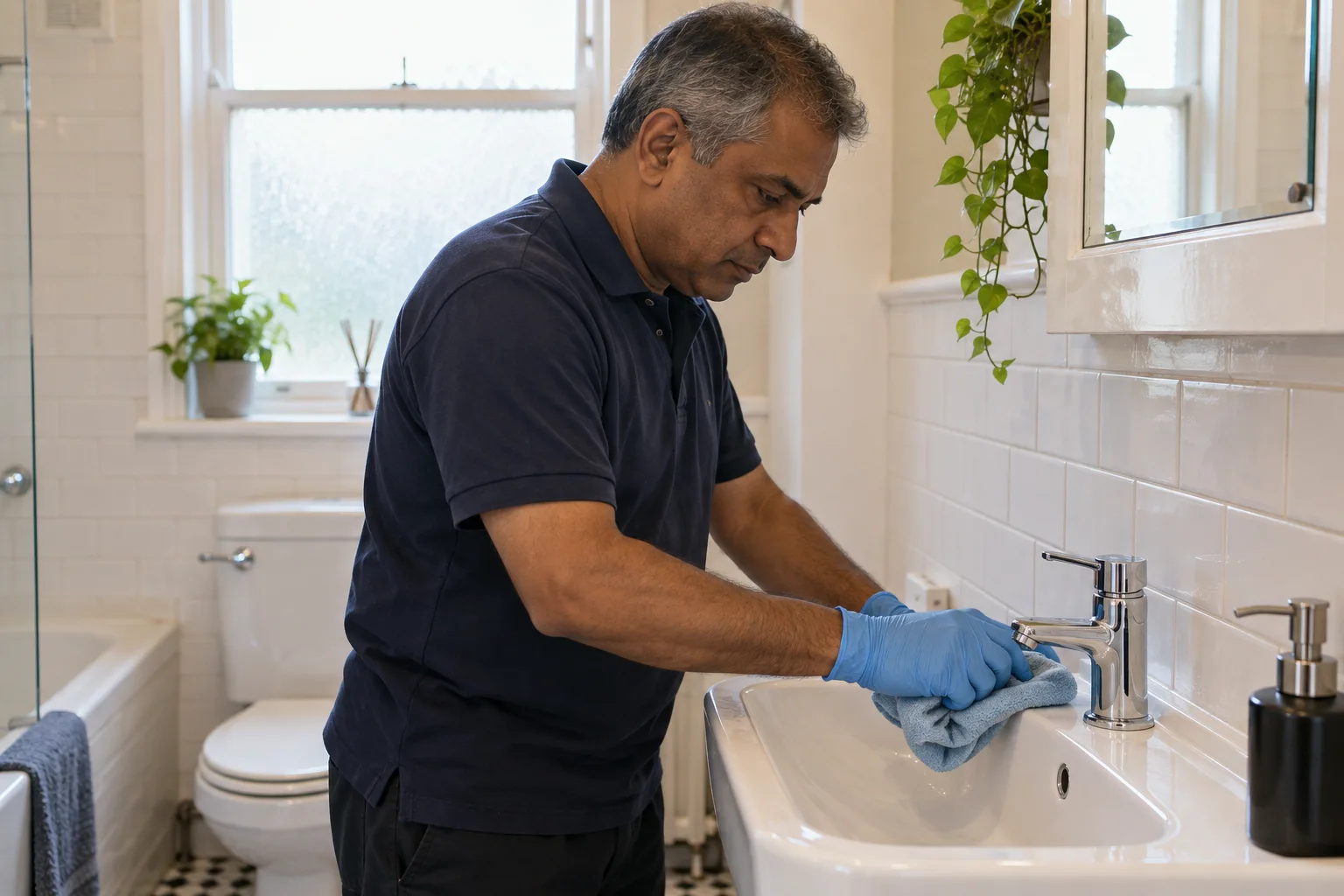
Complete removals before booking the lift for cleaners
The removal van should leave before the cleaning team starts. Empty cupboards, fridge and storage; take out food, toiletries and waste; and keep water and electricity on. If the building has a lift reservation or service access process, confirm what is actually needed for the cleaning visit. A booking made for movers may not automatically transfer to cleaners. Leave a contact number for questions about the flat and an authorised person who can agree a specific change to the work.
If the property remains furnished, distinguish landlord items from possessions you have forgotten. A cleaner should not dispose of unlabelled objects or move heavy furniture without agreement. If a room is still full of boxes, tell the team before arrival and discuss whether the appointment should change. Cleaning only the visible strip of floor would not meet an expectation that the whole room had been accessible.

What happens after the team gets inside
The first on-site step is to compare the empty flat with the agreed task list. The kitchen and bathroom may need suitable treatment for grease, food residue, limescale and soap film. Elsewhere, reachable doors, skirting, internal glass, fittings and floors can be attended to according to the scope and material. Product instructions and drying needs affect the order. The team should not treat an older timber floor and a tiled bathroom with the same method merely because both are on the checklist.
If the team finds a broken fixture, inaccessible appliance or permanent stain, it should explain the limitation. Cleaning is not a repair service, and a harsh shortcut could cause additional damage. If extra work is proposed, get the task, cost and method approved before it begins. That decision belongs to the customer, even when the concierge or agent is providing entry and may have an opinion about the property’s condition.
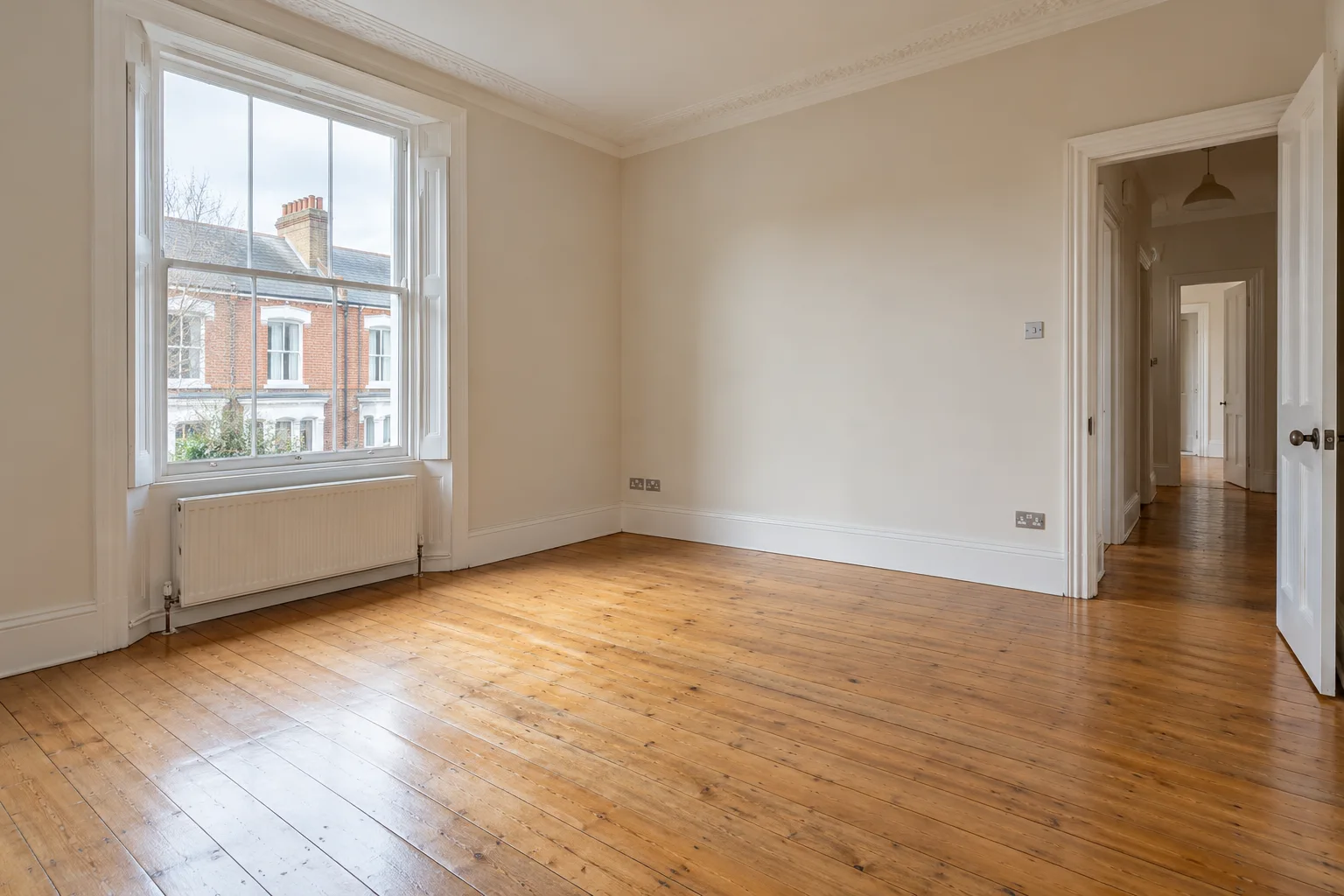
Inspect and return the right keys to the right party
Check the clean against the written scope before your tenancy access ends: open the oven and cupboards, inspect bathroom fixtures, accessible glass and floor edges, and photograph any specific missed area. Raise it promptly while the team can identify the location. Then return the property’s keys and any building fob by the agreed routes. Losing track of a fob is a separate handover problem and cannot be solved by a cleaning receipt.
Keep the quote, approved variations, photographs and checkout report together. If an agent later alleges a cleaning shortfall, request its location and evidence and compare it with what was included. Normal wear, landlord repairs and building-management issues should be considered separately. The invoice does not guarantee a deposit outcome, but it contributes to a clear record of the work completed inside your Islington flat. If the building requires a visitor log, keep the entry and exit times with your handover records. They help explain when the team had access, although they do not prove the condition of every room. Pair them with your own photographs and the written scope rather than treating the log as a substitute for inspection.
Questions about this handover
Islington tenancy cleaning: practical answers.
Who controls entry for an Islington flat in a managed building?
Check with the building manager whether visitors need registration, a service entrance or a lift slot. Give the team the exact flat number and contact. The landlord’s inventory governs cleaning scope; building staff manage access.
Can an Islington concierge approve extra cleaning work?
Only the customer or another expressly authorised person should approve a named task and price. A concierge may release keys or admit staff, but that does not grant authority to change the booked service. Provide a direct decision contact.
Is the shared Islington corridor included in the flat’s quote?
Do not assume it is. Check whether the tenancy includes that area and whether the building manager permits work there. Removing your boxes may be required even when corridor cleaning remains the building’s responsibility.
What if Islington lift access is reserved for movers only?
Ask management for a separate cleaning visitor arrangement before confirming the appointment. Do not assume the removal slot transfers to another team. Share the approved entrance and time so staff are not left waiting outside.
How should Islington fobs and flat keys be returned after the clean?
Agree with the agent and building desk who receives each item and request confirmation of the count. Key return documents access, while final photographs and the written task list record the interior cleaning condition.
What should I send in an Islington quote if the agent and building manager disagree?
Separate their instructions: the agent’s checkout list for interior tasks and the manager’s rules for entry or shared areas. Ask each to clarify its own requirement in writing before booking. The cleaner should not arbitrate building management.
Can a team clean an Islington flat while removals use the shared entrance?
It may obstruct equipment access and track dirt back through rooms. Prefer a start after the van leaves, and confirm that the entrance is free. If overlap is unavoidable, identify exactly which rooms can be handed over.
Who should inspect the Islington flat before the concierge gets the keys?
The tenant or a trusted representative should check agreed appliances, cupboards, bathrooms, glass and floors. A concierge’s access log is not an inspection report. Photograph a precise missed item while entry is still available.
What records help separate Islington building and tenancy charges?
Keep the cleaning quote, final room photographs and agent’s report apart from fob receipts or building notices. That distinction helps identify whether a later charge concerns interior cleanliness, a lost access item or a shared-space rule.