
Move Out Mates / Leytonstone
End of Tenancy Cleaning in Leytonstone
A Leytonstone tenant handing back a property after a short tenancy should not assume the clean is minor merely because little time has passed. The check-in inventory, cooking use, bathroom condition and whether the home was supplied furnished all matter more than the tenancy length.
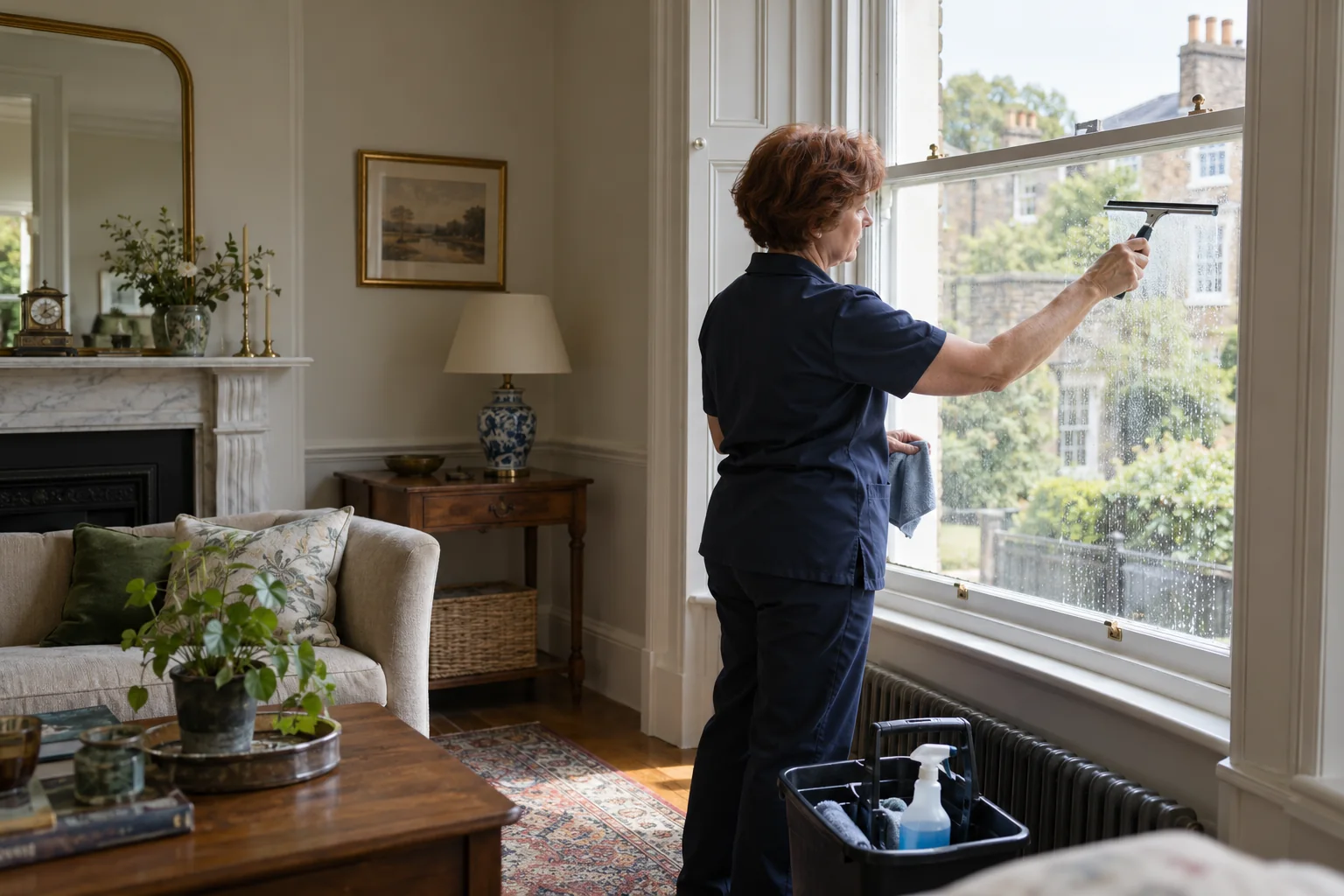
Use the check-in condition as a baseline
At the first call, give the complete address and postcode; E11 serves Leytonstone, but the full code identifies the property. Send current photographs and the key deadline, then explain what will remain after removals. A precise quotation can focus on the work actually needed and avoid paying for tasks that do not apply.
Read the inventory’s descriptions of appliances, cupboards, bathrooms and floors. A short tenancy may start with a mark already present, or everyday use may produce grease and limescale surprisingly quickly. Photograph both types of condition after the property is empty. Note a damaged fitting separately from surface dirt. A cleaner can address suitable residue, but a pre-existing stain or scratch should be discussed with the agent using the check-in evidence rather than treated as a failure of the checkout clean.
Do not assume every room needs the same level of work. An unused bedroom may mainly need reachable dust and floor attention, while the kitchen needs an oven interior or extractor. List each area honestly and include any supplied furniture. If the tenancy agreement mentions professional carpet cleaning, ask whether it is required for a particular room and request it as a separate service. The aim is a proportionate but complete handover.
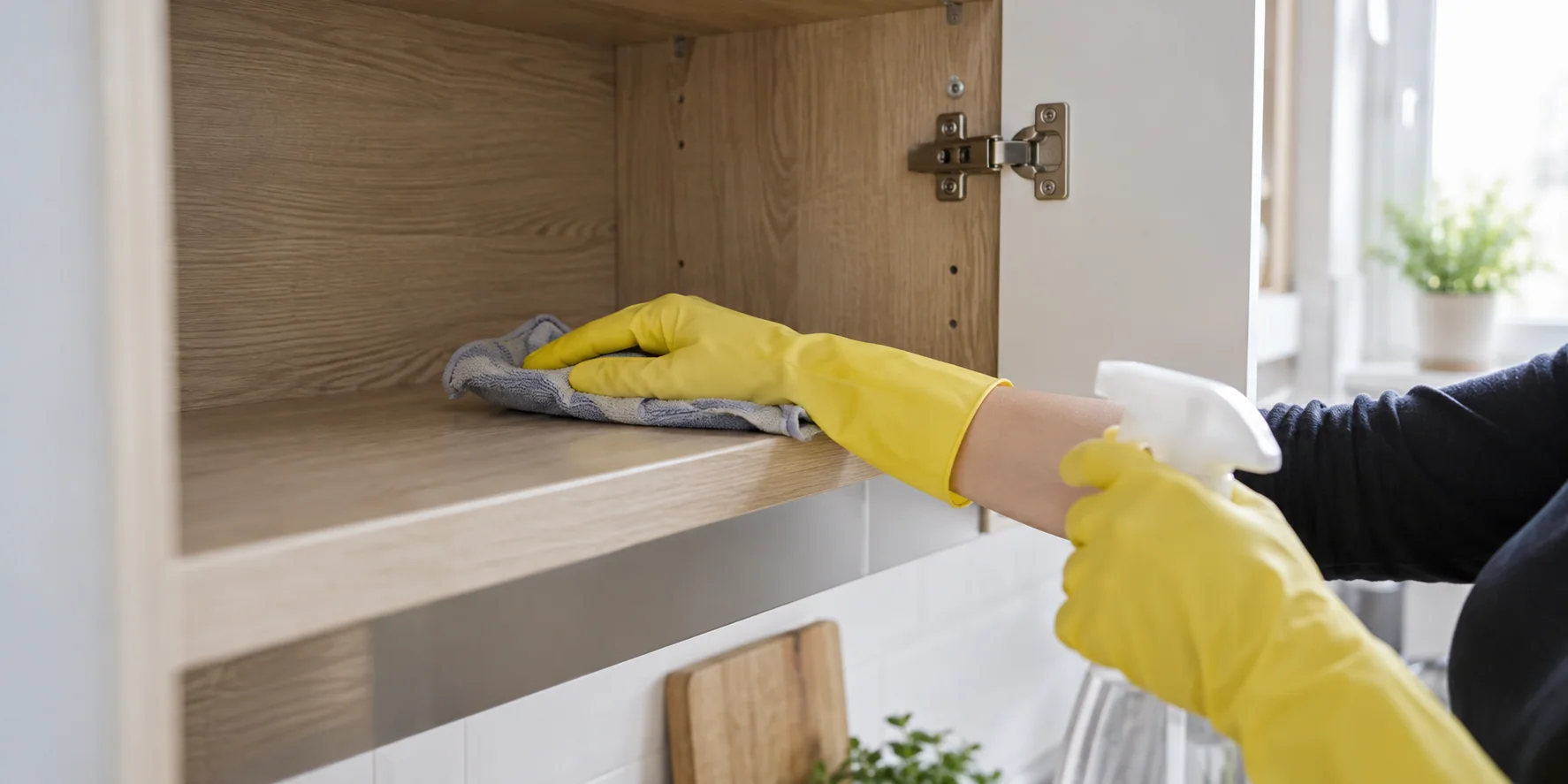
Get a quote that avoids both gaps and unnecessary extras
State the room and bathroom count, kitchen appliance list, occupancy state and any known marks. Ask whether the proposed price covers accessible cupboard interiors, internal glass, fittings and suitable floor cleaning. Include photographs of the oven and bathroom screen even if you believe they are lightly used. Starting prices are guides; final cost depends on size, condition, access and optional services. A written scope makes it possible to decline an extra you do not need and identify a task you do.
Ask how an unexpected condition will be handled. If a cupboard was locked during the first inspection or furniture hid a stain, the team should explain what can be attempted safely and any added cost before proceeding. A quote should not guarantee removal of permanent dye, damaged paint or failed sealant. These issues may need a landlord or specialist decision, and a short tenancy does not change their physical limits.
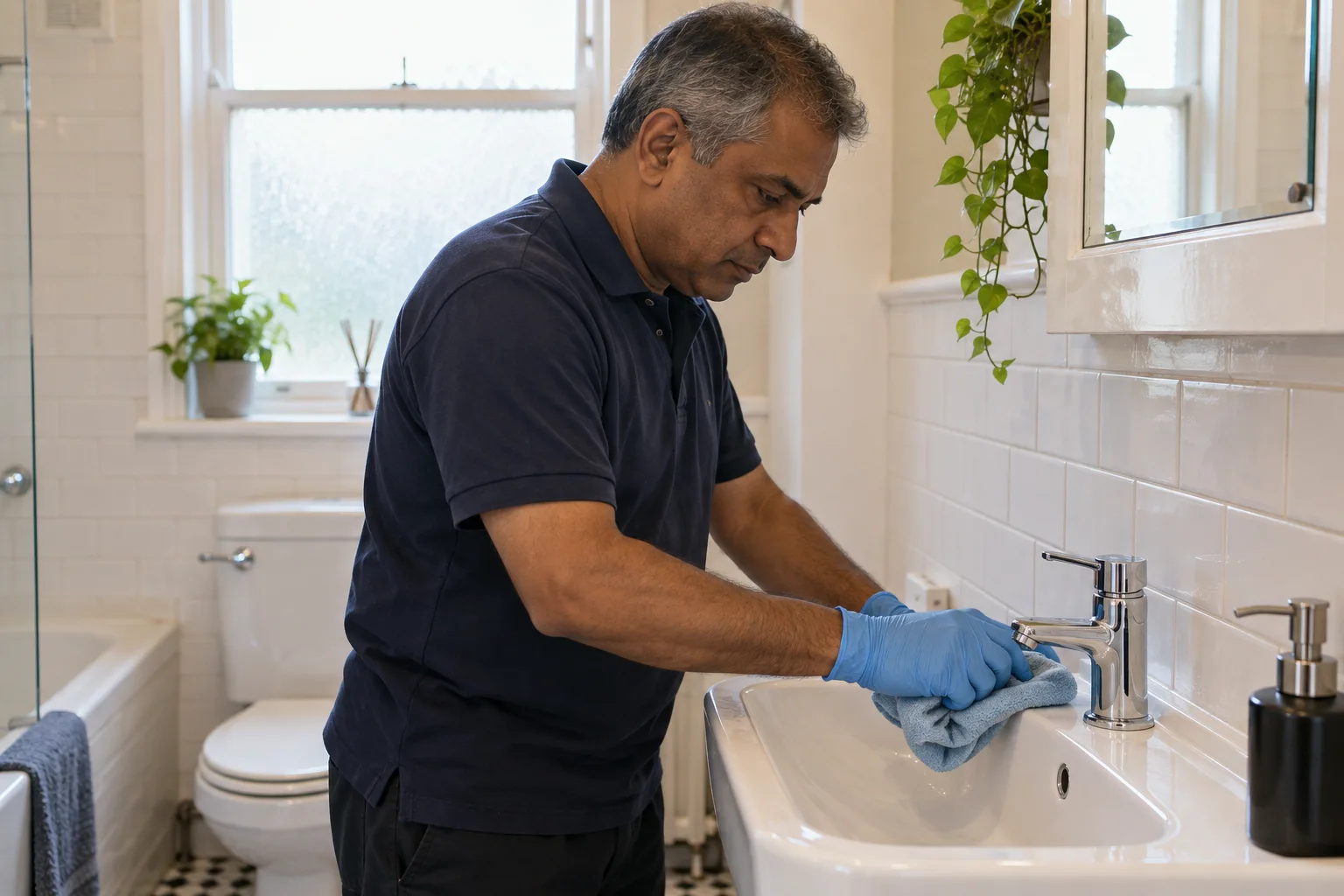
Prepare an empty home without over-cleaning it first
Remove your possessions, food, toiletries and rubbish, and empty the storage spaces included in the quote. Leave water and electricity available. You do not need to dismantle fitted appliances or apply strong products before the team arrives; doing so can damage a surface and complicate the handover. If a mark concerns you, photograph it and describe what, if anything, you have already tried. The cleaner can then avoid incompatible products or repeated abrasive treatment.
Confirm the entry procedure and key holder. An E11 postcode does not establish whether there is a shared entrance, stairs or parking access. Supply the practical instructions and a person who can approve a specific change. If the agent will provide keys, confirm permission and return arrangements. Schedule the clean after removals so the team can reach floor and wall edges and you can inspect an undisturbed result.
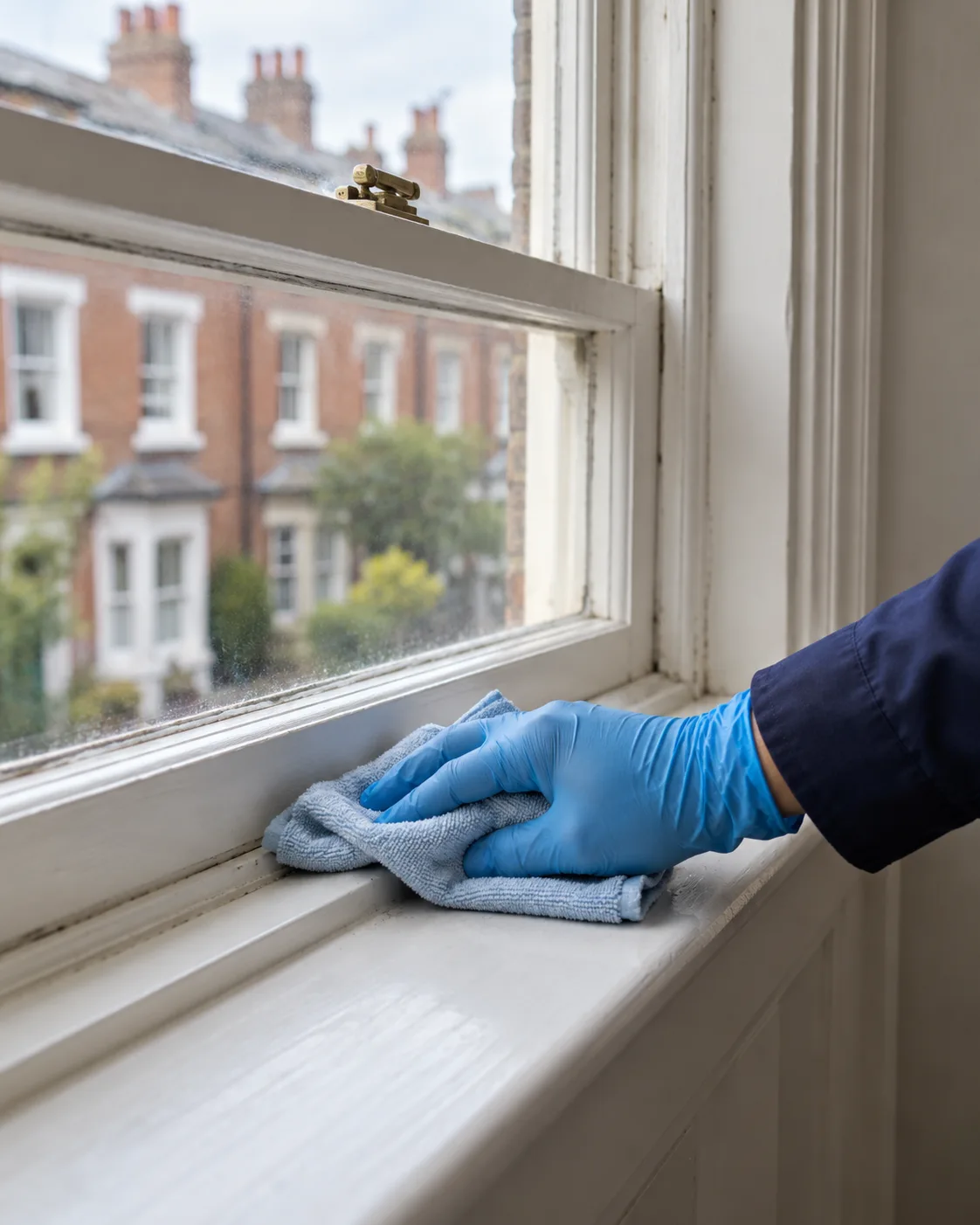
Treat the property rather than the length of the tenancy
At arrival, the team should compare the agreed list with the rooms as found. Kitchen and bathroom work may address suitable grease, food residue, limescale and soap film. In other rooms, reachable fixtures, doors, skirting, internal glass and floors can be handled according to the scope and materials. The exact sequence follows product contact and drying needs. A room that looks lightly used still needs a check of accessible corners and cupboard interiors if those were booked.
If a surface is damaged or a mark permanent, the team should report the limitation. A cleaner should not remove a coating, force a fitted appliance or move unsafe furniture in pursuit of an assumed standard. Any additional task and cost should be approved before work starts. This protects the property and ensures the final invoice relates to the actual service provided, not to an assumption that a short tenancy requires either no work or an indiscriminate deep clean.

Close the handover with evidence
Inspect the agreed appliances, cupboards, bathroom fixtures, internal glass and floors before returning the keys. Photograph a precise missed cleaning surface and raise it while the property remains accessible. Compare stubborn marks with the check-in record; a pre-existing scratch should not be described as an uncleaned area. A short tenancy often makes this comparison straightforward if the tenant retained clear check-in images and notes.
Keep the quotation, any approved variation, final images and checkout report. The agent may identify cleaning, damage or missing items, and each needs a different response. A cleaning invoice is evidence of the commissioned service but cannot guarantee a deposit outcome. For Leytonstone, a proportionate room-by-room brief and a reliable condition baseline provide a stronger handover than a generic promise to make the home spotless. If you took check-in photographs, put the relevant before and after views side by side before discussing a disputed mark. Lighting and camera angle can change its appearance, so identify the same surface and position. That comparison is more useful than relying on the fact that the tenancy was brief.
Questions about this handover
Leytonstone tenancy cleaning: practical answers.
Does a short Leytonstone tenancy automatically need a smaller clean?
No. The room and appliance condition matters more than the number of months occupied. Photograph the oven, bathrooms and storage after your belongings leave, then ask for a quote based on the actual accessible work.
How can I use the Leytonstone check-in inventory to assess a stubborn mark?
Find the original condition description and a comparable photograph of the same surface. If the mark predates the tenancy, keep that evidence for the agent. Cleaning can address dirt but does not alter an older scratch or stain.
Should an unused Leytonstone bedroom still be included in the scope?
List it if it is part of the property being returned. Even a lightly used room may need accessible dust, internal glass or floor attention. Describe its condition rather than omitting it solely because no one slept there.
What if the Leytonstone oven is clean but the extractor is greasy?
Photograph both appliances separately and ask the quote to reflect their actual condition. The team can plan work on the reachable extractor parts without assuming an equally heavy oven task. Fixed ventilation should not be dismantled without agreement.
How should I report a pre-existing Leytonstone carpet stain?
Compare it with check-in photographs and point it out before booking. If treatment is requested, ask for a separate textile assessment and avoid a promise that permanent dye will disappear. The agent should evaluate the original condition as well.
Can a Leytonstone cleaner make old silicone look new?
Suitable cleaning may improve surface residue, but staining inside failed sealant can remain. Photograph the joint and ask the landlord whether replacement is necessary. A tenancy cleaning quotation should not quietly include cutting out and resealing it.
What should I avoid doing to a Leytonstone hob before cleaners arrive?
Avoid abrasive scrapers or strong chemicals unless the manufacturer permits them. Photograph the current marks and say what you have already tried. An inappropriate pre-clean can damage the coating and make a condition dispute harder to resolve.
How do I keep a Leytonstone clean proportionate without missing storage?
Give the team a room list and identify the cupboards or wardrobes that will be empty. Agree accessible interiors by name. This prevents paying for unnecessary extras while ensuring small spaces on the inventory are not forgotten.
What should I inspect first at a Leytonstone checkout after a brief tenancy?
Open the agreed appliances and cupboards, then check bathrooms, reachable internal glass and floor edges. Photograph a precise missed task while you still have keys. Record wear separately against the check-in evidence rather than judging from memory.