
Move Out Mates / Stanmore
End of Tenancy Cleaning in Stanmore
If your Stanmore rental has recently been redecorated, the final clean needs to be planned around the work rather than booked on the assumption that the home is simply dusty from moving.

Close the decorating job before treating it as a handover clean
Fine sanding powder, paint spots and construction waste are different problems. Tell us when the work finishes, which rooms are affected and whether the property will be empty. Stanmore uses HA7 addresses, but the full postcode still matters for the actual visit and quote. With photographs and the inventory, we can discuss the tenancy tasks and the additional dust separately, then place cleaning after the contractor’s last debris-producing visit.
Ask the contractor to finish sanding, drilling or painting and to remove tools, protective film, offcuts and waste. A cleaner should not have to work around active trades or decide how to dispose of their materials. Tell us if painted surfaces are still curing or a sealant has a recommended waiting time. Wiping a fresh finish too early may damage it, so identify those areas in the brief. A photograph of a dusty sill should be accompanied by the wider context: was only one wall repaired, or did work affect the whole house?
Distinguish loose dust from paint splashes, grout residue, adhesive and physical damage. They may look like a general cleaning problem but require different methods, sometimes specialist attention. If a mark is on glass, stone or timber, identify the surface and say what has already been tried. We can discuss accessible dirt within a safe cleaning scope; stripping paint or restoring a scratched floor should not be silently implied. Keep the contractor’s snagging list separate from the tenancy cleaning list so the right person addresses each issue.
Build a room list that includes the ordinary tenancy work
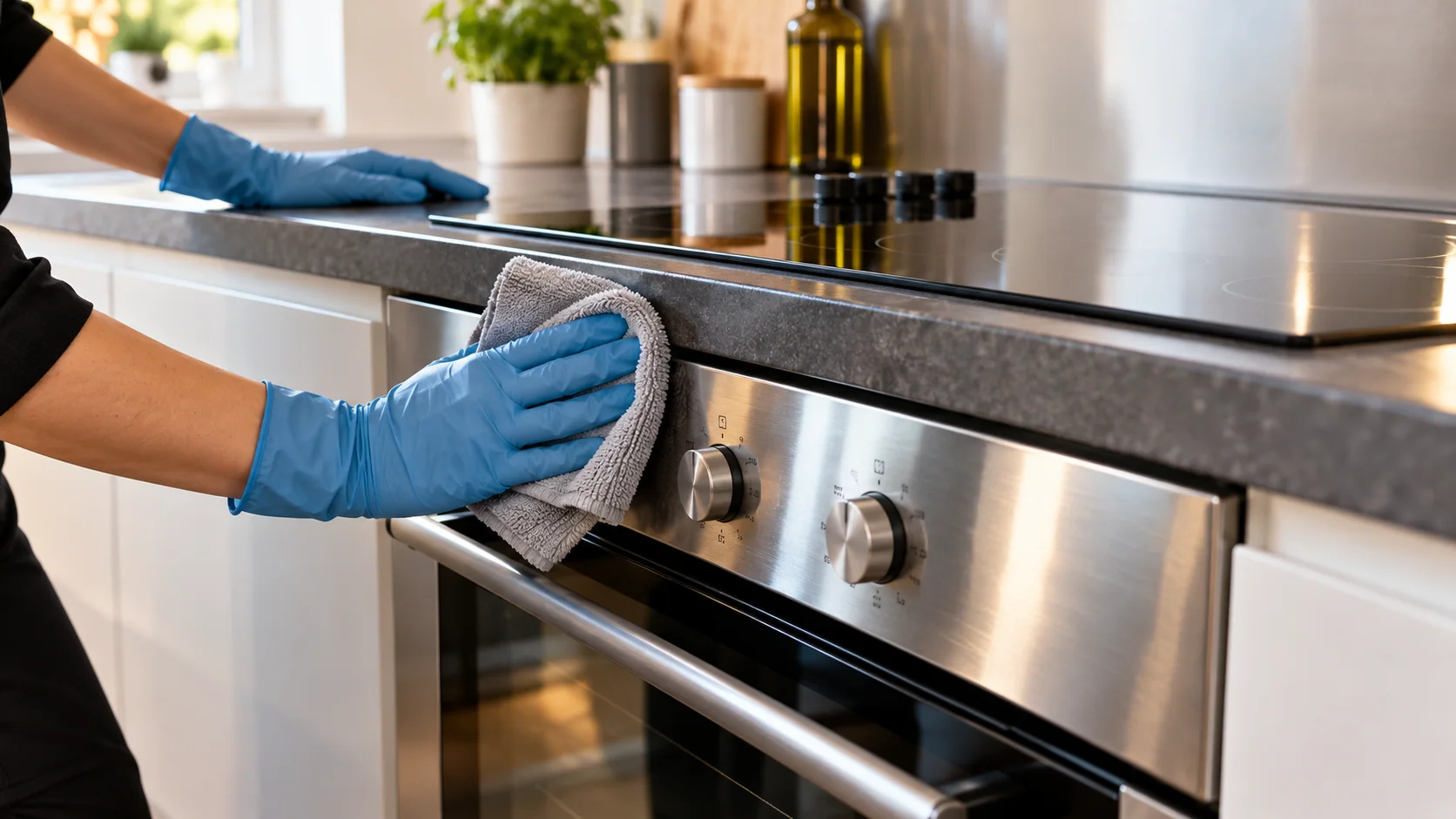
The decorating may draw attention away from the oven, bathrooms and cupboard interiors. When you first call, give the full HA7 postcode, room count, number of bathrooms, move-out date and a copy of relevant checkout instructions. Photograph the kitchen and sanitary fittings as well as the dusty area. Say whether carpets, upholstery or exterior windows are required; these should be discussed as optional or separate tasks, not assumed from a broad ‘deep clean’ label. A clear room list lets the team price the ordinary workload and assess dust in the right context.
List belongings still stored in bedrooms or cupboards. The interior of a wardrobe cannot be cleaned while boxes remain, and a decorator’s stacked materials may block the floor. If landlord-owned furniture stays, identify what can be reached safely around it. The inventory may record pre-existing chips or worn paint; compare those notes with the current condition. Cleaning can remove reachable soil but cannot repair decoration, so an honest handover should say what is clean and what still belongs on a repair record.
Understand the price before confirming the date
Published starting prices are £150 for a studio or one-bedroom home, £180 for two bedrooms, £220 for three and £260 for four. The final Stanmore quote depends on condition, access and requested extras. Fine dust across several rooms may change the task compared with one small patched area; an oven and two bathrooms still need to be assessed independently. Send photos after the decorator has left if possible. A quote based on mid-project conditions may no longer match the property when the final clean is due.
Ask for a written scope that distinguishes general tenancy tasks, the identified post-work dust and any surface that should not be treated. If the contractor’s finish date shifts, update the booking team before the cleaning appointment. A follow-on trade visit may recreate dust after the cleaners leave, and that risk should be clear. Rubbish removal, repair and stain restoration are not automatically part of a tenancy clean. Naming an exclusion is better than discovering at checkout that two parties meant different things by ‘finish the property’.

Prepare for one final pass through empty rooms
Once decorating and removals are done, take away food, personal items and rubbish. Empty drawers and cupboards whose interiors are included. If freezer work is agreed, defrost according to its instructions and manage the water. Leave electricity and water available for cleaning. Give the team access instructions and a contact who can answer a question about a newly painted room or locked cupboard. The property should be a finished, accessible tenancy at this stage, not a worksite waiting for another coat of paint.
On site, the sequence can cover kitchen and bathroom detail, empty storage, reachable fittings, dusty ledges and the remaining room surfaces and floors. The team should flag any wet paint or residue that cannot be safely removed rather than scrub it aggressively. If an exterior window is high or fixed, discuss separate access instead of assuming it is included. The precise order depends on the rooms and finishes, but the agreed list should guide completion. Later contractor activity may require another clean, which should be planned rather than concealed.

Compare the result with two different checklists
Before returning keys, use the inventory to check the agreed kitchen, bathrooms, cupboards and other room tasks. Then use your decorating photographs to inspect the dusty ledges and surfaces that were specifically included. If a named cleaning area was missed, photograph it and contact the booking team while access remains. A paint blemish, unfinished sealant or scratched floor should go to the contractor or agent instead. The distinction is practical: repeating a general clean will not finish a repair, while a specific missed sill can be addressed as cleaning.
Keep check-in condition evidence, the written scope and checkout photos together. They show what was present before the tenancy, what the decorator did and what the cleaner agreed to do. The landlord or agent makes any tenancy or deposit decision, not the cleaning team. A careful record does not guarantee an outcome, but it makes the final discussion about real surfaces and responsibilities. In a recently redecorated home, that clarity is as important as the visible removal of dust.

Questions about this handover
Stanmore tenancy cleaning: practical answers.
When should a Stanmore clean follow decorating?
Book after sanding, painting and waste removal have finished, allowing any new finish its advised curing time. A later contractor visit can put dust back onto cleaned surfaces, so share the actual work schedule before confirming.
How do I distinguish Stanmore paint splashes from dust?
Photograph both the residue and underlying surface. Loose dust may be cleanable within the agreed scope; dried paint on glass, stone or timber may need a different method or the decorator to correct it.
Can you clean Stanmore rooms while tools remain inside?
Ask the contractor to remove tools, protective sheeting and offcuts first. They can obstruct ledges and floors, and cleaners should not decide what construction material to discard or work through an active decorating area.
What if my Stanmore decorator needs to return after cleaning?
Tell the team what the return visit involves. Drilling or sanding can recreate dust and may require a second clean, so assess whether the final cleaning slot should move until all dusty work is over.
Should newly painted Stanmore trim be wiped?
Share the decorator’s curing instructions and mark surfaces that should not be touched. The team can address adjacent reachable areas but should not risk damaging a fresh finish to meet an undefined promise of removing every speck.
How do I price ordinary Stanmore tenancy work alongside dust?
Send the full HA7 postcode, room and bathroom count, appliance interiors and photographs of affected decorating areas. Ask for the regular tenancy tasks and identified fine-dust work to be stated separately in the written quote.
What if Stanmore sanding dust has settled inside cupboards?
Empty the cupboards and show the affected interiors in photographs. Tell the booking team whether they were open during the work; accessible fine dust can then be assessed rather than assumed from one dusty windowsill.
Can Stanmore cleaners remove leftover paint tins?
Arrange lawful disposal with the decorator or appropriate collection service. Paint and chemicals are not ordinary household rubbish for a cleaning team to sort, and tins can block the areas needing work.
How do I inspect a Stanmore property after both trades and cleaning?
Use two lists: the tenancy scope for appliances, bathrooms and floors, and the decorating list for dust or finish defects. Report a missed cleaning task promptly; refer paintwork or damage back to the contractor or agent.