
Move Out Mates / Streatham
End of Tenancy Cleaning in Streatham
If a Streatham rental combines timber flooring with a stone worktop, the move-out clean must consider the material under each mark before anyone chooses a product. A dull patch on timber may be wear rather than dirt; an etched stone surface will not become sound again through harder scrubbing.

Identify the finishes and their condition
Describe the finishes, share any care instructions and show the existing condition in photographs. Give the full postcode—Streatham addresses may be in SW16 or neighbouring SW2 depending on the exact location—along with your room list and handover date. We can then discuss a careful general tenancy scope without promising that cleaning will restore a damaged finish.
Tell us whether the floor is solid timber, engineered board, laminate or another finish, and whether stone is sealed, unsealed or only stone-effect material. If you are unsure, send photographs and any landlord care instructions rather than guessing. Note where a mark is sticky or dusty and where it is a scratch, dull patch or discolouration. The difference matters: a suitable cleaning method may lift surface soil, while refinishing timber or restoring etched stone is specialist work. The cleaner should not be asked to test an aggressive chemical on an unknown material just to meet a checkout deadline.
Check the inventory for existing defects before the visit. A small abrasion under a sofa may have been there at check-in, while a new spill may need assessment. Keep those records separate from the cleaning brief. If a worktop has been treated with a household descaler or a floor has recently been oiled, disclose the product and timing. Previous treatment can affect the next safe step. A candid description allows the team to agree what it can clean and what should be left for an agent or surface specialist to assess.
Request a complete quote, not a floor-only visit
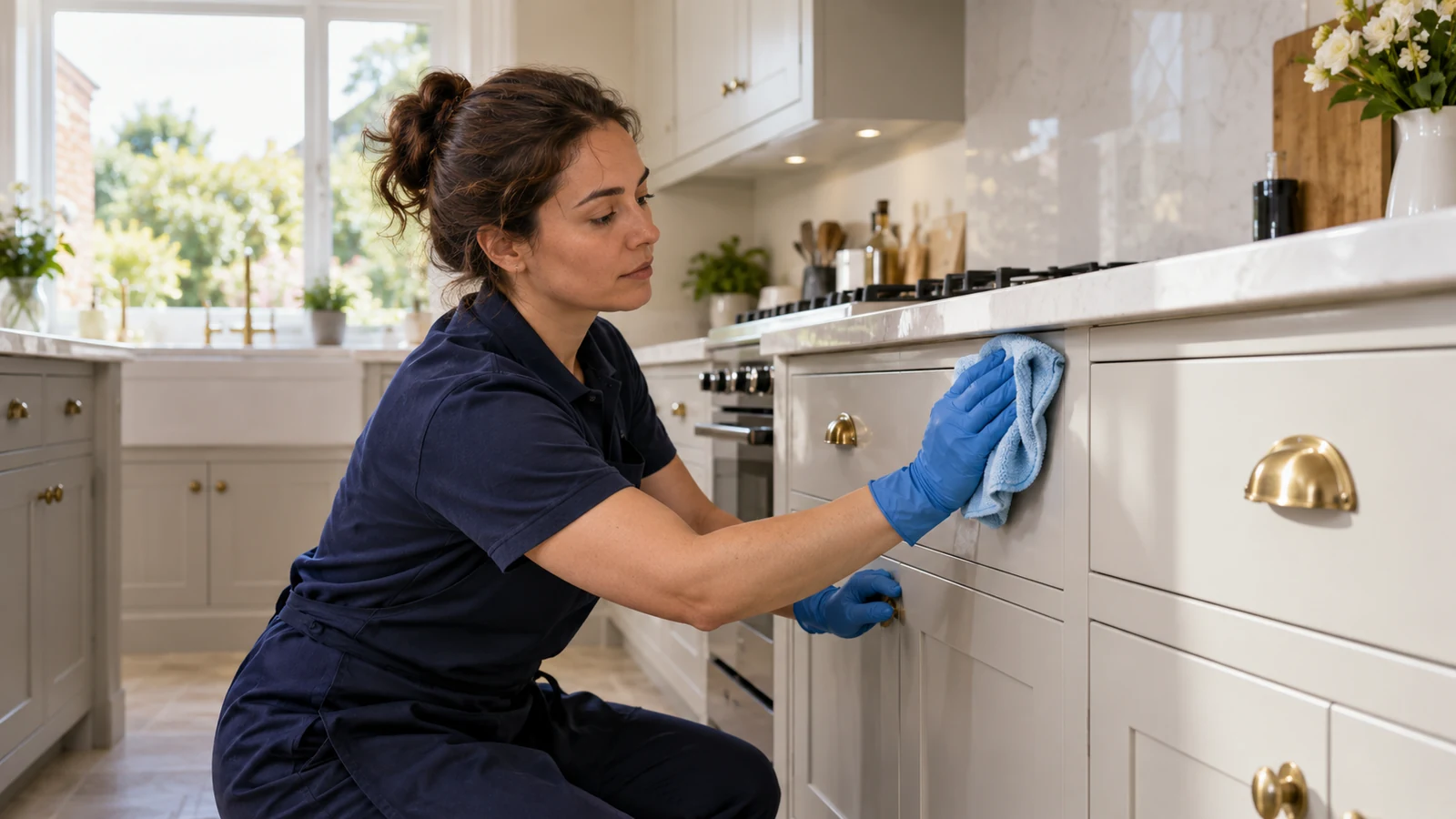
On the first call, give the full postcode, rooms and bathrooms, move-out date and whether the home will be furnished. Send photographs of the kitchen, shower, appliance interiors and delicate materials. Identify which cupboards, oven parts and internal windows appear in the agent’s checklist. Published starting prices are £150 for a studio or one-bedroom home, £180 for two bedrooms, £220 for three and £260 for four; the final Streatham quote depends on condition, access and extras. Material care can affect the scope even when the property size is unchanged.
Ask for the included tasks and exclusions in writing. Carpet extraction, upholstery, exterior glazing and rubbish removal should be addressed separately if relevant. If you expect a particular timber stain to disappear, name it and ask whether cleaning is likely to affect it; do not bury it under ‘deep clean’. Likewise, if a stone counter has a chip, note it as damage rather than a missed cleaning task. A precise quote helps you decide whether you need another professional before checkout and gives the team a safe, reviewable brief.
Clear possessions without damaging the surfaces
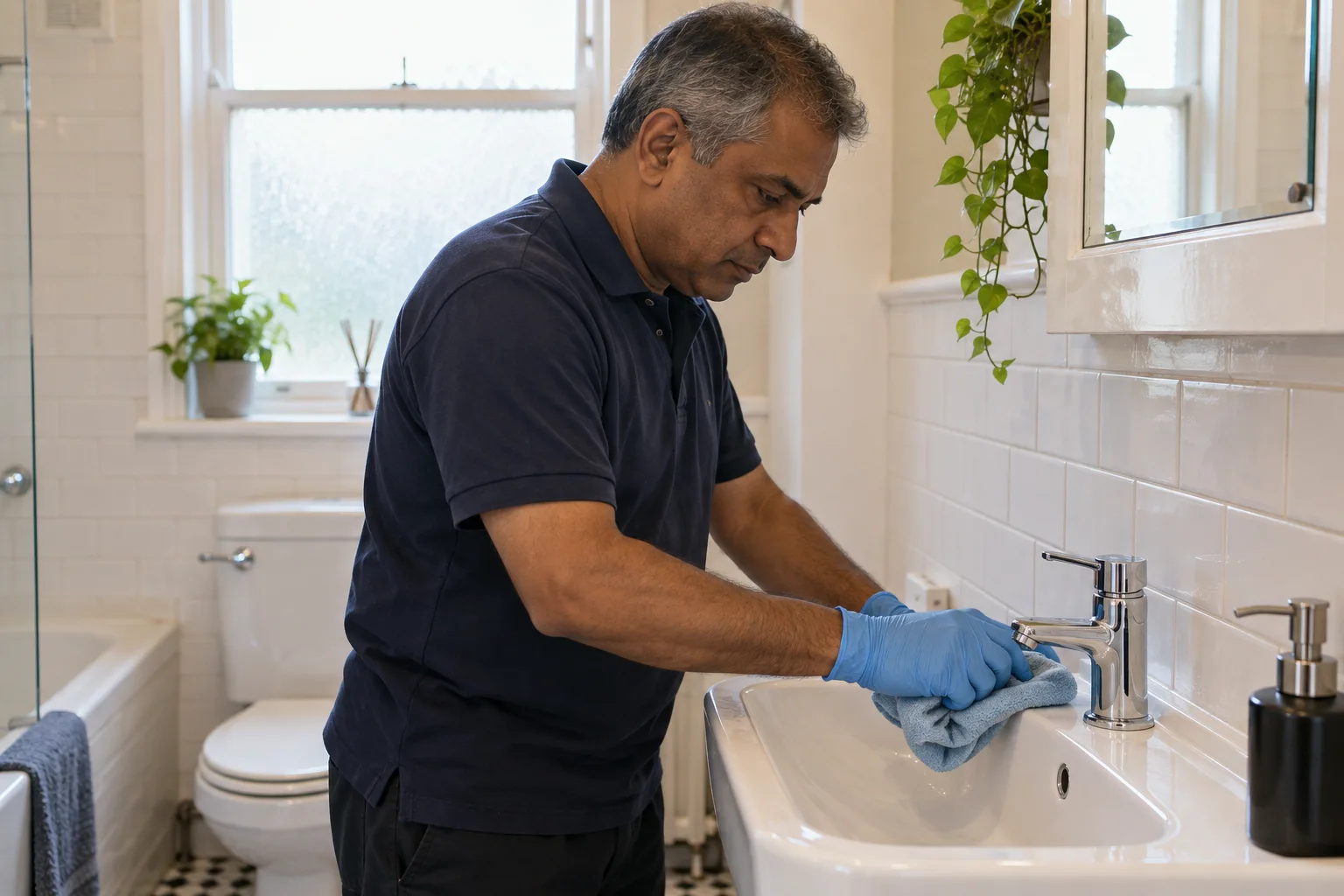
Finish the move, empty drawers and cupboards that are to be cleaned, and remove loose belongings and food. Do not drag heavy furniture over timber to expose the floor; arrange safe movement in advance or accept that the area beneath it may be inaccessible. If rugs are yours, remove them so the floor condition can be seen. Keep electricity and water on for the visit. If freezer interior cleaning has been agreed, defrost in accordance with the appliance instructions and manage the meltwater before the team arrives.
Place any material-care information where it can be found and flag recently treated sections. Give working keys and a contact who can answer a question about a finish or locked room. Allow a gap after removals so dust has settled and the team can reach the whole agreed area. If a contractor will repair or sand a floor, complete that work first where possible; a later repair can create fresh dust. Cleaning should be the final accessible stage before your own inspection, not a pass through an active worksite.
Follow the agreed tasks with material limits in view
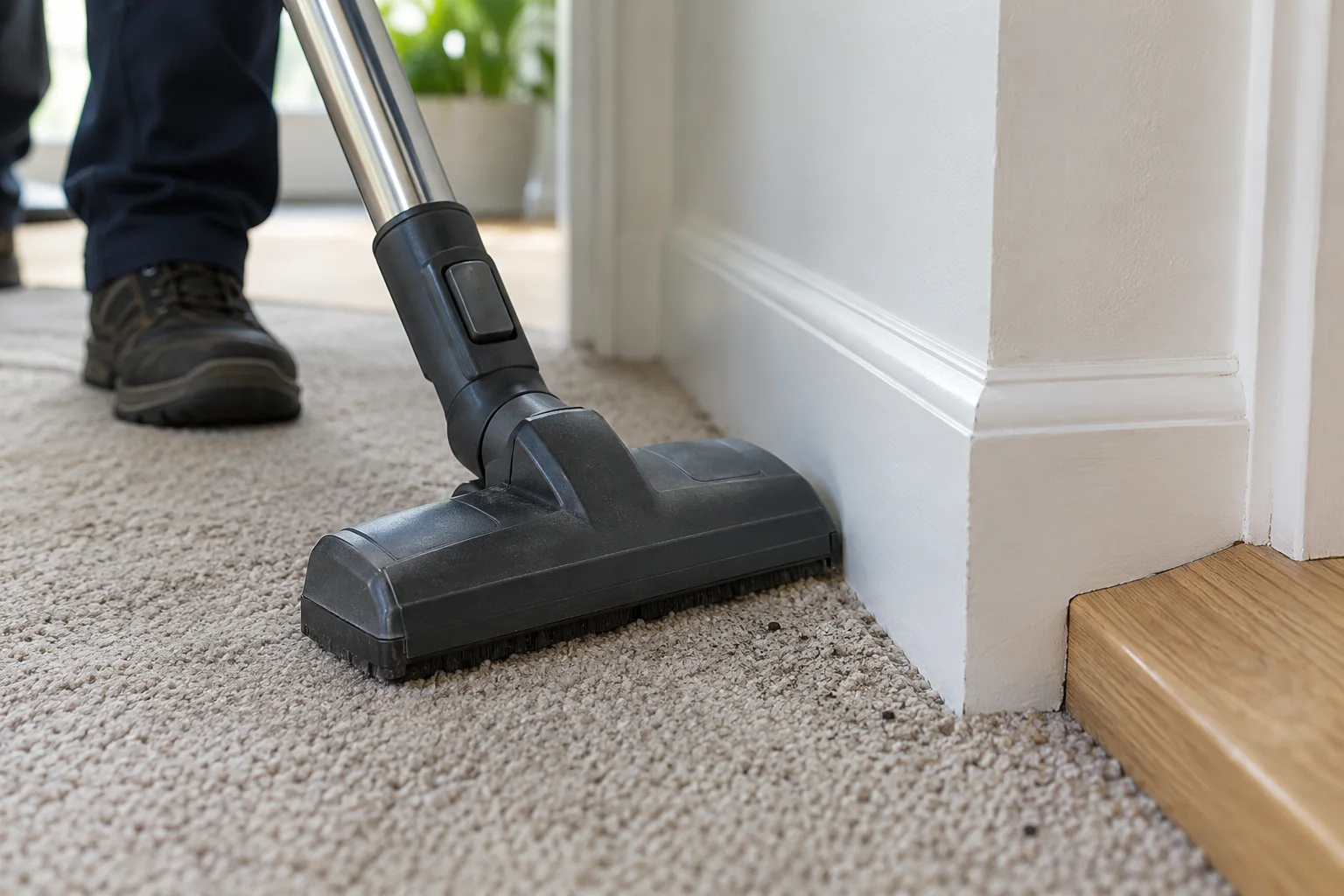
The visit can proceed through kitchen and bathroom detail, empty storage, accessible fittings and the remaining rooms, while sensitive timber and stone are handled according to the assessed method. Exact order may change with surface condition and drying. If the team finds that a mark cannot be lifted safely, it should be identified rather than repeatedly scrubbed. An internal window that is reachable from the room can be considered if agreed; outside glass at unsafe height requires a separate plan. The aim is an appropriate clean of accessible soil, not unqualified restoration of every finish.
Ask about any area left untreated because the material was uncertain. A cleaner should not turn a minor blemish into damaged sealant in pursuit of a promise that was never realistic. Record physical defects, worn coatings or permanent marks separately for the agent. These limits do not excuse a missed agreed task elsewhere: an untouched oven shelf and an etched worktop are entirely different issues. Keeping the room list close at hand allows both sides to distinguish what could be cleaned from what was actually overlooked.
Review the handover against evidence, not shine
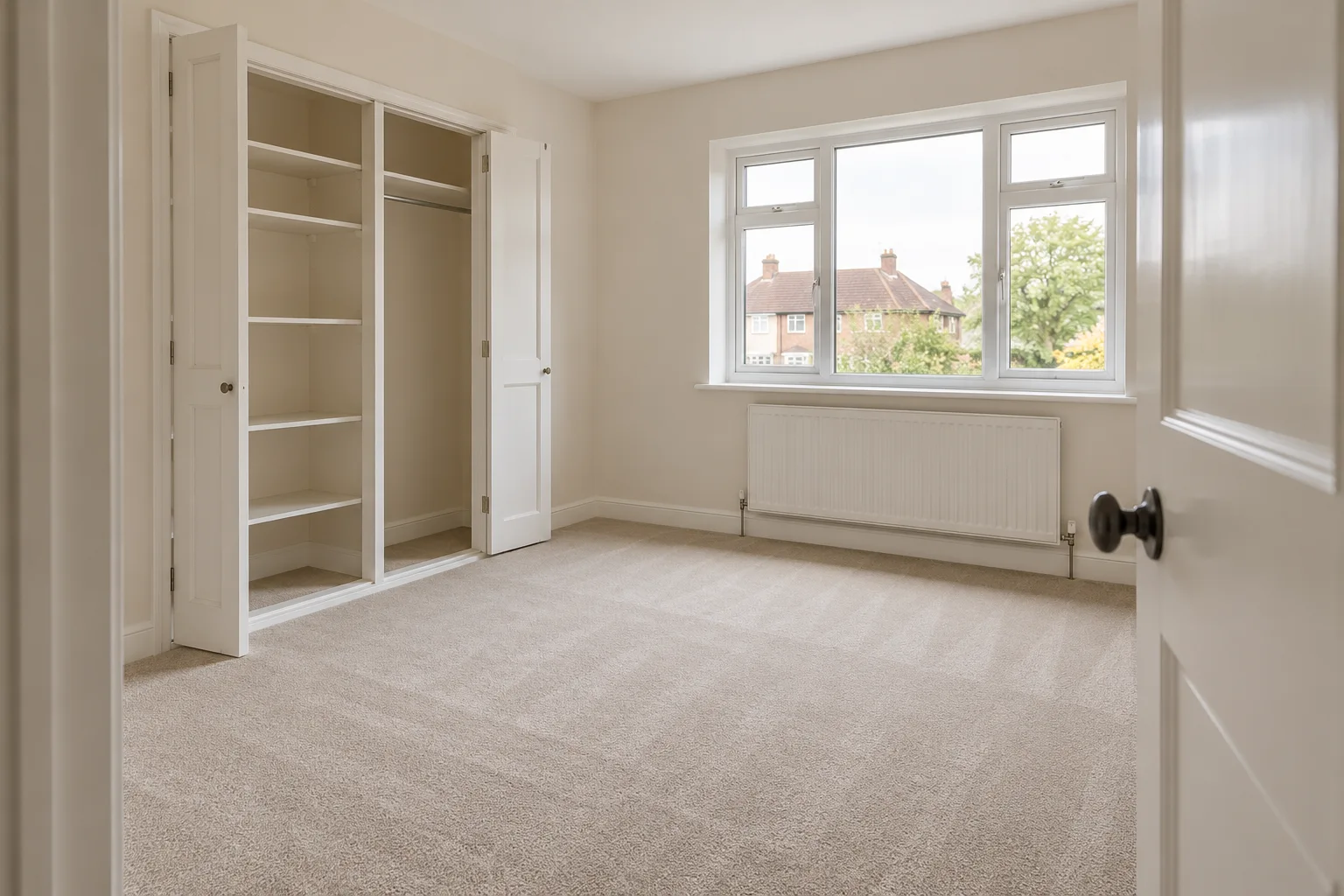
Before returning keys, open included cupboards and appliances, inspect bathrooms and look over floors and worktops in ordinary light. Compare delicate surfaces with check-in photographs where available. If a specific cleaning task was missed, photograph it with its location and contact the booking team while access remains. If a dull patch persists despite suitable cleaning, assess whether it is wear or finish damage rather than expecting a second general wipe to change it. A clear note now will help the agent understand what you observed.
Keep the inventory, written cleaning scope and checkout photos together. The cleaner can account for the tasks agreed and any material limitation; the landlord or agent makes the tenancy and deposit judgement. No cleaning visit can guarantee a particular inspection outcome. What it can provide is a coherent sequence from material disclosure and tailored quote through preparation, careful work and final review. That sequence is especially valuable when a property contains finishes that can be harmed by the wrong attempt to make them look new.
Questions about this handover
Streatham tenancy cleaning: practical answers.
Why does the exact Streatham floor finish matter before booking?
Timber, laminate and stone-effect surfaces can look similar in photographs yet tolerate different products. Provide care instructions or describe uncertainty, and show marks clearly so the team can assess a safe cleaning approach.
Can a dull Streatham timber patch be polished away during cleaning?
It may be worn finish rather than dirt. Compare it with the check-in inventory and disclose any oil or cleaner already used. General cleaning cannot promise to refinish timber or remove a deep scratch.
Is descaler suitable for my Streatham stone worktop?
Do not assume it is. Acidic products can etch some stone, leaving a mark that cleaning cannot reverse. Identify the material, send a photograph and ask for a cautious assessment before anyone treats it.
Should I move heavy furniture over a Streatham timber floor?
Avoid dragging it to expose hidden areas. Arrange safe movement before the visit or state the access limit in the scope. A cleaning appointment should not create fresh scratches while trying to reach a floor patch.
What if my Streatham stone has just been sealed?
Give the team the sealant product and curing advice supplied by the contractor. A newly treated surface may need to be left untouched for a period; plan the final clean around that restriction.
How do I include delicate Streatham materials in the quote?
Send the full postcode, room list, photographs and material-care notes alongside the normal kitchen and bathroom details. Ask the team to record safe cleaning limits and any restoration issue separately in writing.
Can a Streatham cleaner tell damage from grime?
The team can assess visible condition and discuss an appropriate method, but inventory photographs help establish what was present before the tenancy. Keep scratches, chips and worn coatings on a separate agent record.
What if the Streatham floor is hidden by my rug?
Remove your own rug before the appointment and photograph what is revealed. A landlord-owned rug needs a separate decision about its care, while the floor beneath must be reachable for the agreed room clean.
What should I check on a Streatham stone-and-timber handover?
Inspect agreed appliance and bathroom tasks, then compare sensitive floors and counters with check-in evidence. Report an actual missed clean with a location; note etching or worn finish separately for the agent.