
Move Out Mates / Surbiton
End of Tenancy Cleaning in Surbiton
For a Surbiton tenancy, the most productive question before booking is what the agent will see when the last possession leaves. An inventory may show fitted cupboards, supplied furniture and appliances, while your current photographs still show boxes in front of them.
Reconcile the inventory with what will remain
Compare the document with the room as it will be on cleaning day. Surbiton addresses use KT5 and KT6 districts; give the full postcode for the actual property, along with a room list and the key-return date. We can then discuss a final clean tied to accessible items and specific checkout requirements, rather than assume that every surface in a partly occupied photograph can be reached.
Mark the landlord-owned items in each room: wardrobes, beds, shelves, kitchen appliances and any furnished seating. Then mark your own belongings for removal and note when each storage unit will be empty. If a table or sofa will remain, explain whether the floor beneath it can be reached safely. A cleaner should not decide which item belongs to the landlord or move a heavy piece without an agreed plan. This inventory exercise turns a broad request for a ‘whole property’ clean into a workable list of surfaces and interiors.
Compare visible marks with the original inventory and check-in photographs. An old scratch or worn carpet is not the same as a new patch of dirt. Tell the booking team about soil you want cleaned, but keep existing damage and repairs in a separate agent note. If furniture removal reveals a new concern, photograph it and update the brief before the visit where possible. The aim is to make the cleaning scope match the property that will be handed over, rather than an earlier or imagined condition.
Give the team enough information to quote the right visit
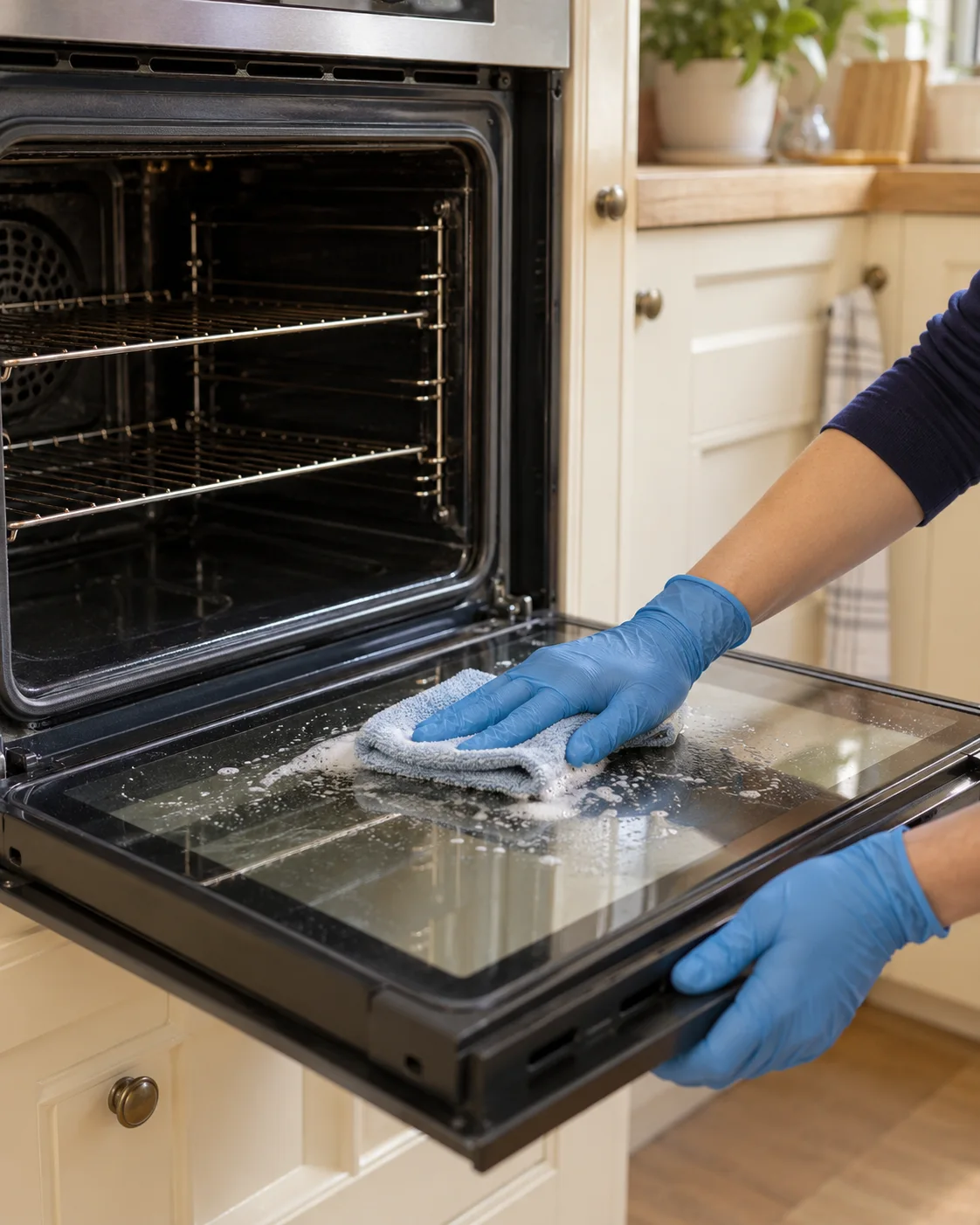
On your first call, provide the full KT5 or KT6 postcode, property size, number of bathrooms, move-out date and whether rooms will be empty. Show the oven, shower and any heavily used floor area. Identify cupboard and appliance interiors the agent expects, and send the relevant checkout wording. Published starting prices are £150 for a studio or one-bedroom home, £180 for two bedrooms, £220 for three and £260 for four; final price depends on condition, access and extras. The inventory helps the team see why homes of the same size may need different work.
Ask for an itemised scope in ordinary language. Does it include the oven interior, fridge, empty drawers and reachable internal windows? Are carpet extraction, upholstery or external glass being considered separately? Do not let the phrase ‘end-of-tenancy clean’ answer all of these questions by implication. If the tenancy agreement names a particular item, quote it. A written inclusion or exclusion gives you a decision before booking and a reference for your inspection afterwards. It also prevents repair and rubbish removal from being mistaken for cleaning tasks.
Clear storage and preserve a gap before checkout
Empty personal belongings and rubbish from the rooms, cupboards and appliances that are to be cleaned. Take food out of the fridge and freezer; if freezer interior cleaning is agreed, follow the manufacturer’s defrosting instructions and deal with the water. Keep electricity and water connected. If landlord-owned furniture remains, do not drag it across the floor merely to expose a hidden area; tell the team where access is limited. The work can only address surfaces that are available and safe to reach.
Schedule cleaners after removals and before the key-return deadline, leaving time to inspect the result. A late van may keep the hallway in use, making it unwise to finish its floor first. If the plan changes, contact the booking team rather than hope the original scope still fits. Give a working key, clear entry instructions and a reachable person who can answer a question about an item or locked room. A practical sequence allows the team to move through the property once without new traffic undoing completed areas.
Follow the agreed tasks through the empty property
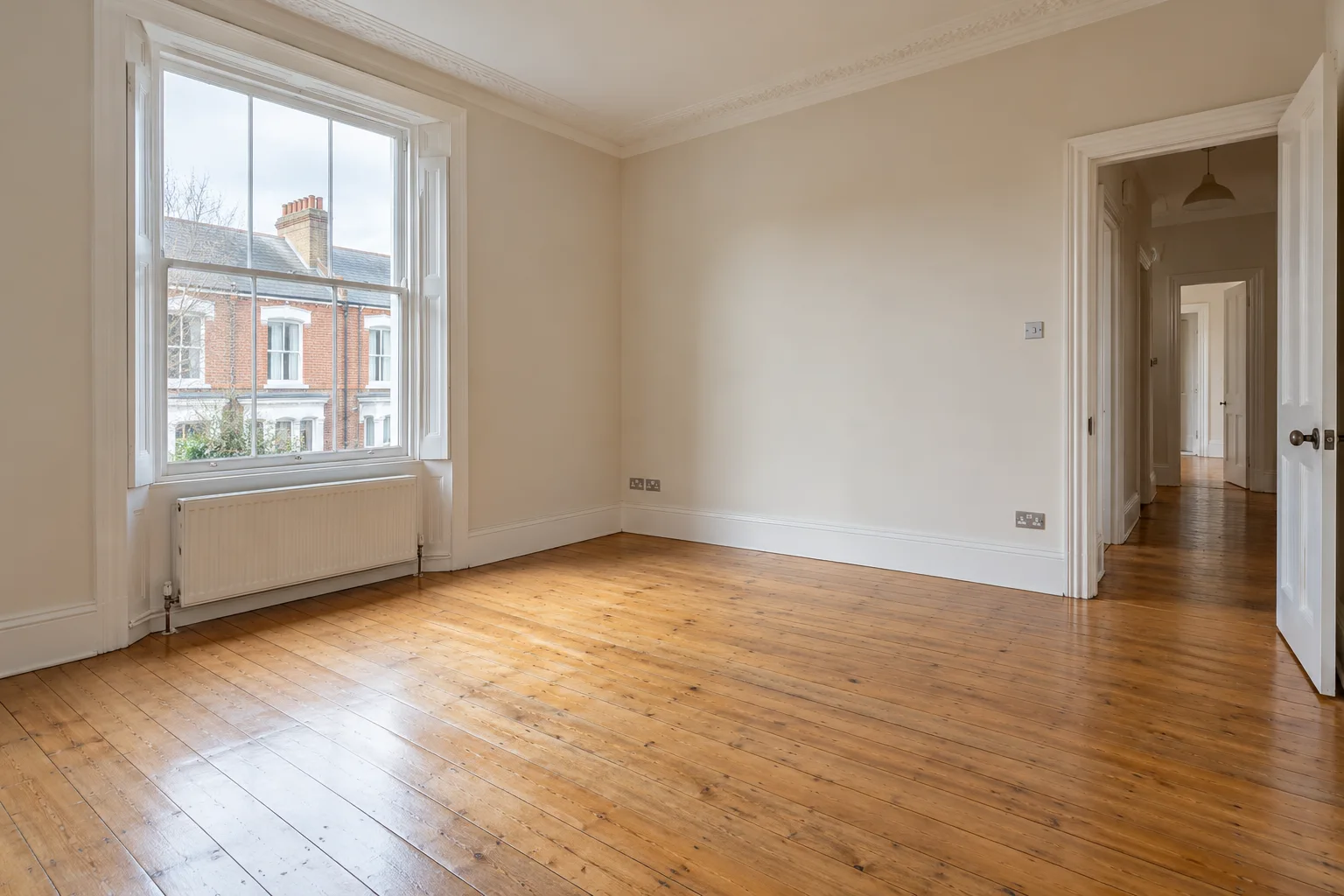
At the visit, the team should use the room and item list to work through kitchen and bathroom detail, accessible storage, fixtures, living spaces and floors. The order may vary with access and drying, but each named task needs an opportunity to be completed. If a cupboard remains full or a room locked, the limitation should be raised while the key holder can respond. A large landlord-owned item may hide a strip of floor; that is an access fact, not a reason to imply the hidden area was cleaned.
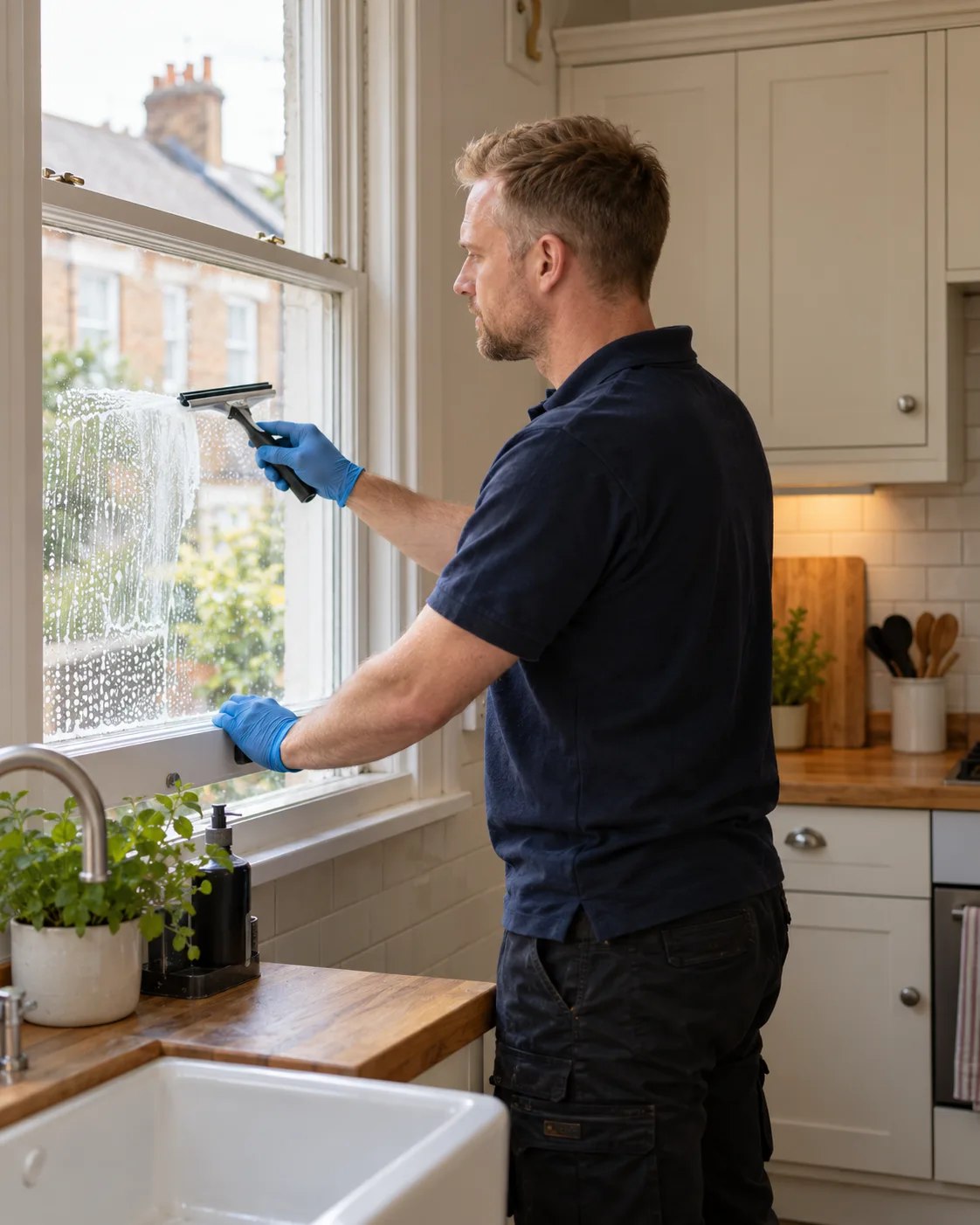
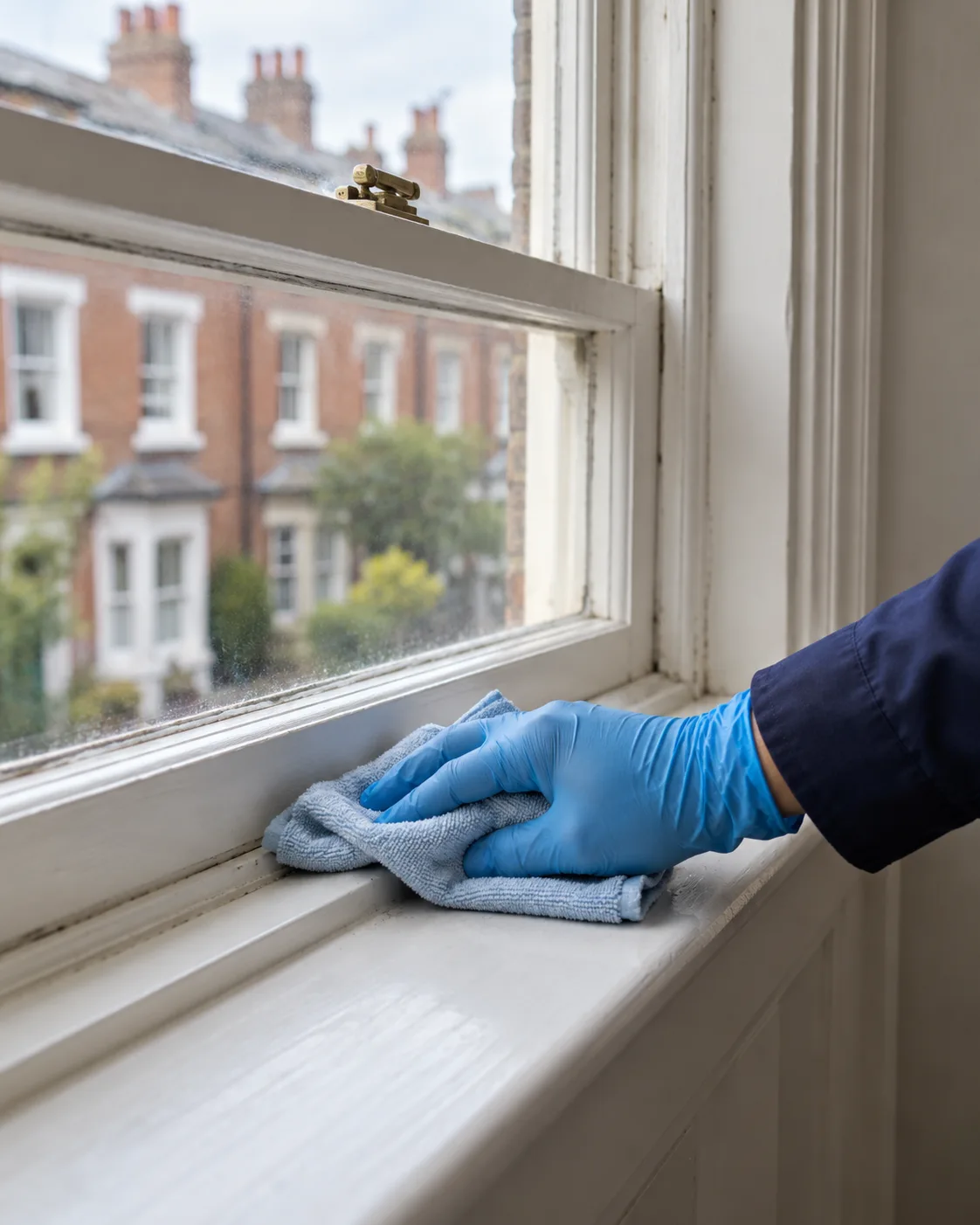
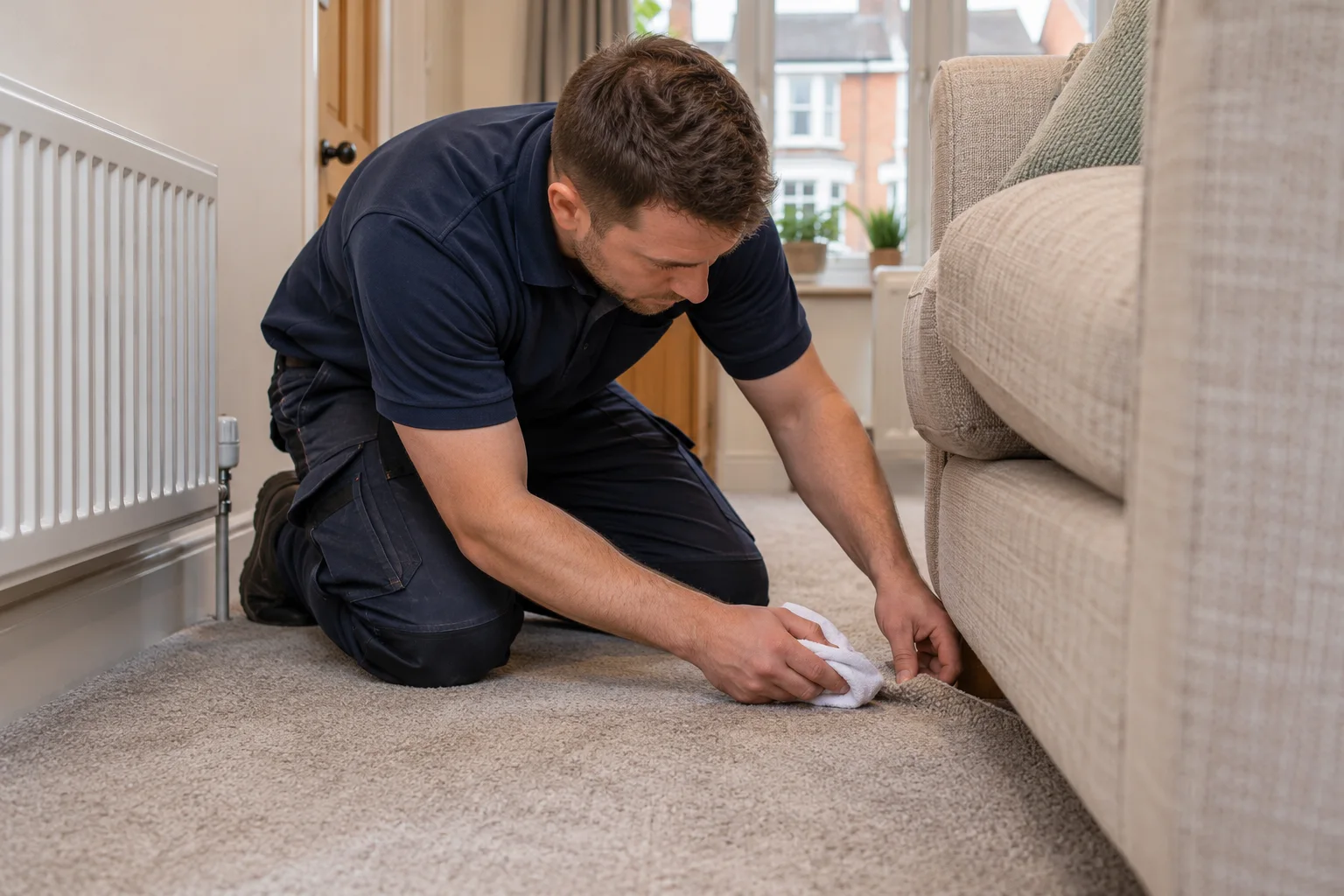
Window work needs the same precision. Identify which internal panes open or can be reached safely, and tell the team if the agent expects outside faces. High or fixed exterior glass may need separate specialist access. Similarly, a carpet stain may require a separately assessed treatment and may not lift fully. Cleaning can remove reachable dirt within the agreed scope, but cannot repair a broken appliance or reverse ordinary wear. These distinctions should be understood before the finished property is judged against its inventory.
Make the final comparison while keys are available
After the visit, walk through the now-empty rooms with the written scope and inventory. Open any included appliance and storage interiors, inspect the bathrooms and check the floor spaces exposed by removals. Photograph a specific missed cleaning item and contact the booking team promptly while access remains. A clear room and surface reference is more useful than a general statement that the home still needs attention. If a separately agreed textile treatment needs drying, allow the advised time before assessing its final appearance.
Keep defects, wear and missing items in a different list for the agent. The cleaner can explain what was requested, what was completed and any access limit encountered; the landlord or agent decides the tenancy and deposit outcome. A careful comparison between inventory, quote and finished rooms gives you an evidence-based handover, even if it cannot guarantee a particular inspection decision. That is the real value of starting the Surbiton booking with the property record rather than a generic page of promises.
Questions about this handover
Surbiton tenancy cleaning: practical answers.
Why start a Surbiton cleaning enquiry with the inventory?
It identifies the appliances, furniture and storage the agent is likely to inspect. Compare it with the rooms after removals, then send the relevant tasks so the quotation reflects the actual property rather than only its bedroom count.
What if a Surbiton inventory lists an appliance that has gone?
Tell the agent and booking team what appliance is installed now, with a photograph if useful. The cleaner should not price a non-existent unit, while the inventory discrepancy itself is a separate handover matter.
Can furniture hide Surbiton floor areas from the cleaners?
Yes. Identify which supplied pieces remain and whether they can be moved safely beforehand. Heavy furniture movement is not assumed; a hidden area should be recorded as an access limit in the written scope.
How do I describe Surbiton internal windows for the quote?
Show which panes open and can be reached safely from the room. Mention any fixed outside glass separately. The word windows alone does not say which sides or frames are being requested.
Should I send old Surbiton stain photographs to the cleaners?
Share current condition for cleaning assessment, and keep check-in images to distinguish pre-existing wear. A suitable clean may remove soil, but old material damage or permanent staining may remain visible at checkout.
Can Surbiton cupboards be cleaned before I empty them?
Interior cleaning requires the shelves and drawers to be clear. Remove food and possessions yourself; the team should not decide what to discard. Tell the booking team if a unit cannot be emptied before the visit.
How should I time a Surbiton clean after furniture collection?
Give the real collection date and allow an interval for exposed floors to be assessed before cleaning. If collection slips, notify the team; a floor hidden until after the visit cannot be retrospectively included.
What should a Surbiton written quote specify?
It should identify included rooms, appliance and storage interiors, safe internal window work and any separately assessed textile treatment. Ask about exclusions before confirmation so an inventory requirement does not emerge only at key return.
What is the final Surbiton inventory check?
Open the included appliances and cupboards, review bathrooms and inspect floors after removals. Photograph a specific missed cleaning task while access remains; document wear or damage separately for the agent.