
Move Out Mates / Wembley
End of Tenancy Cleaning in Wembley
A Wembley tenancy with a pet may need two conversations before checkout: one about the whole-property clean and another about a particular carpet or upholstered item. Hair along skirting, an old rug mark and an odour in a sofa do not call for one universal treatment.
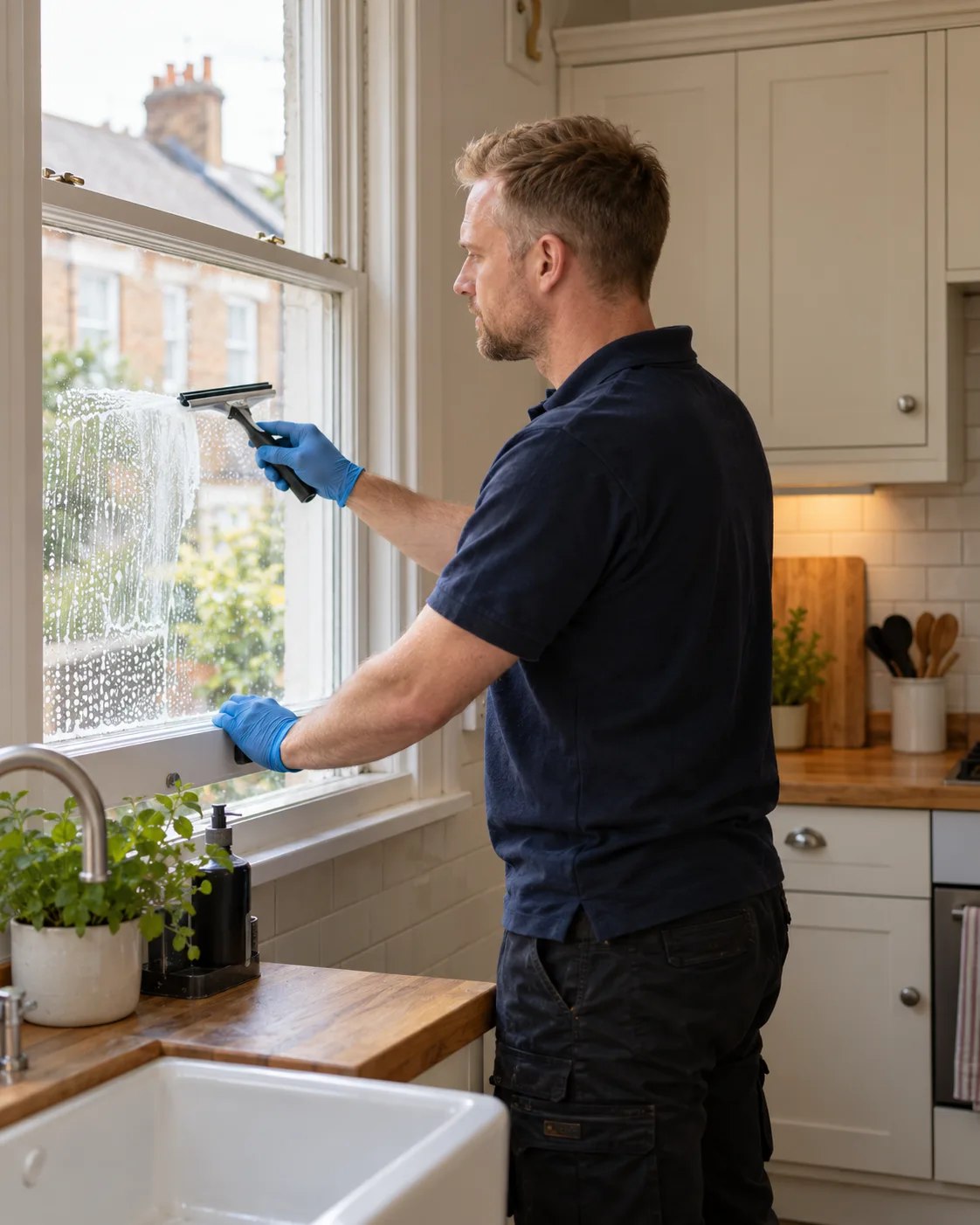
Locate each pet-related concern by item and room
Wembley addresses include HA0 and HA9, so give the full postcode and the exact property details on your first call. Explain which rooms the pet used, what furnishings belong to the landlord and what the inventory recorded at check-in. We can then discuss a quote that names the ordinary tasks and any optional textile work separately, without promising to erase permanent wear or damage.
Tell us whether the concern is loose hair on hard floors, a visible carpet mark, a rug that will remain, or an odour in landlord-owned upholstery. Photograph the actual item and its care label where available. A tenant-owned rug leaving with you may not belong in the handover booking at all. If a pet accident may have penetrated carpet backing or underlay, disclose that rather than asking for surface cleaning to solve an unknown source. The precise location helps the team assess suitability and avoids quoting every textile in the home when only one is affected.
Compare the item with check-in photographs and the inventory. A pre-existing stain, faded fabric or loose seam should be recorded before treatment. Cleaning can address accessible soil, but cannot repair torn upholstery, scratches or aged fibres. Some odours may remain if their source is beneath the visible surface. Avoid a last-minute harsh home remedy that can alter dye or leave a chemical residue. If a specialist process is appropriate, it should be discussed after the material and condition are understood, not assumed from the presence of a pet.
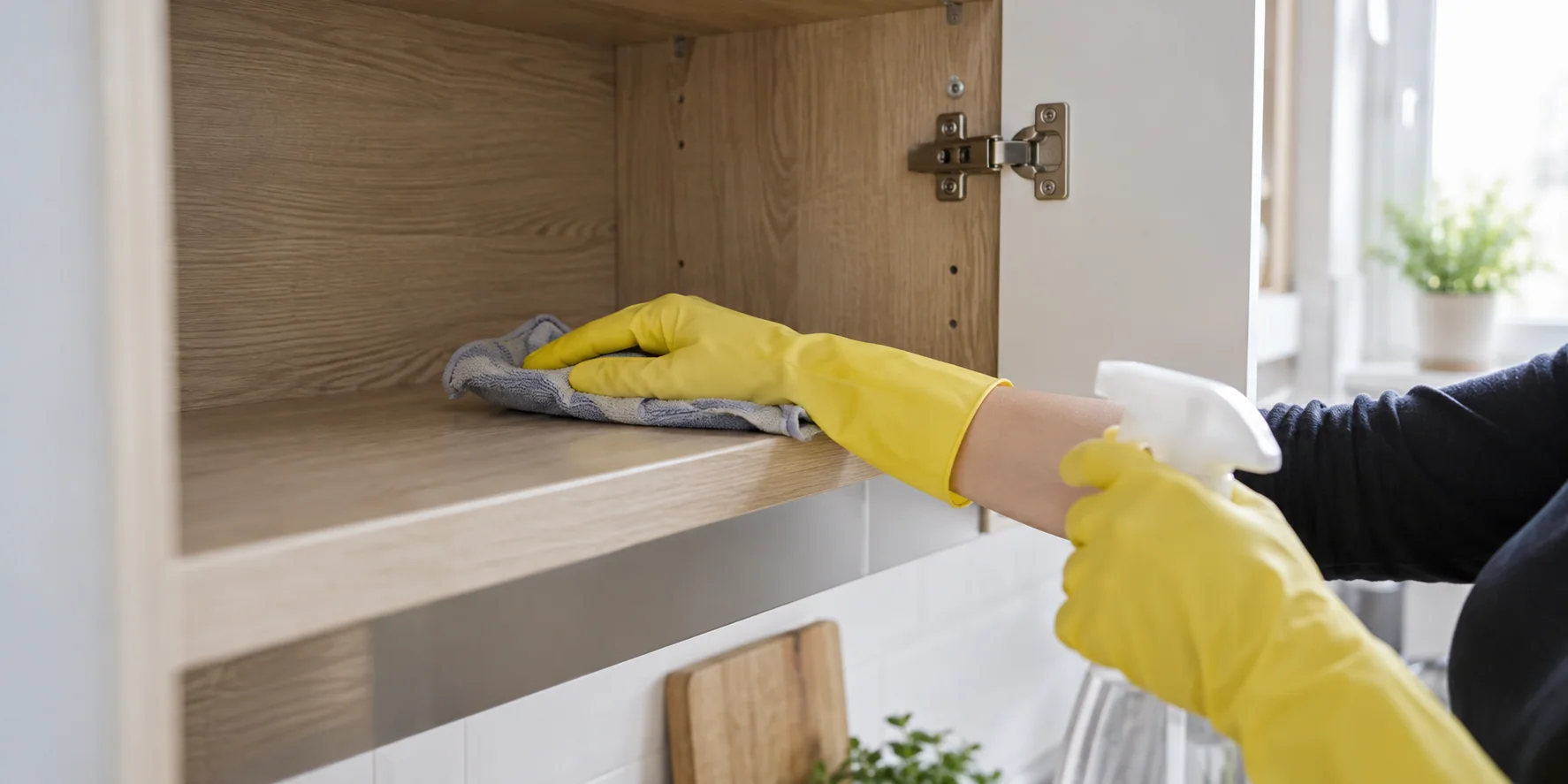
Quote the house or flat as well as the textile
Give the full HA0 or HA9 postcode, room and bathroom count, move-out date and photographs of the kitchen and sanitary fittings. List appliance interiors and empty cupboards expected at checkout. Published end-of-tenancy prices start at £150 for a studio or one-bedroom home, £180 for two bedrooms, £220 for three and £260 for four; final pricing depends on condition, access and extras. The pet concern should be an identified part of a complete property brief, not the only thing the quote considers.
Ask for the normal room cleaning tasks and any proposed carpet or upholstery treatment to appear separately in writing. Find out whether drying time affects the agent’s inspection. Exterior windows, rubbish removal and repair should be separate questions if the checkout list mentions them. A carpet treatment cannot guarantee that every mark lifts, especially when fibre, dye and stain history are uncertain. A clear quote lets you decide whether optional work is suitable and gives you a practical basis for checking the finished visit.
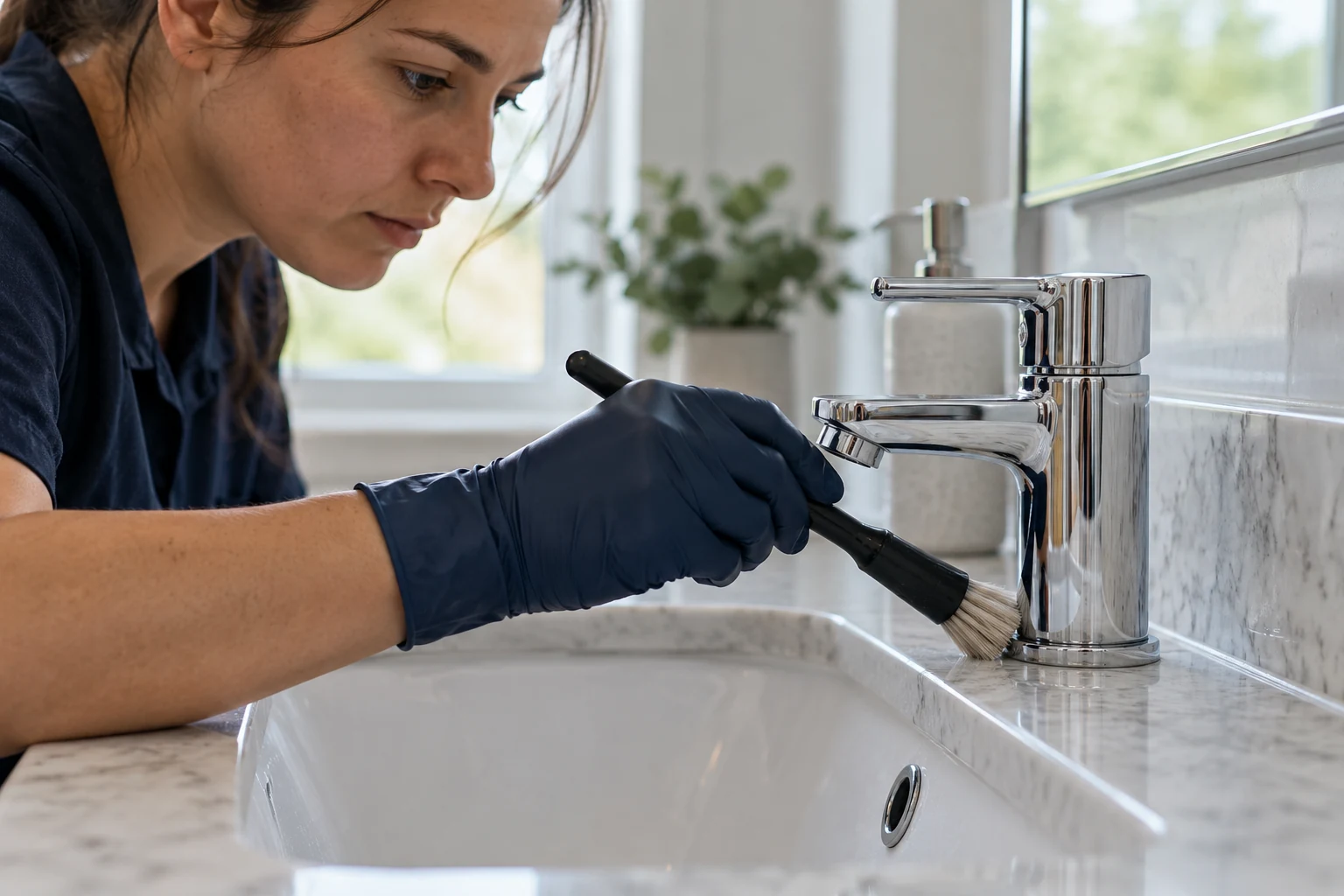
Remove pet belongings and clear the rooms
Take away bowls, bedding, litter and toys, along with other possessions and rubbish. Empty cupboards whose interiors are included; remove food from appliances. If freezer cleaning is agreed, follow the manufacturer’s defrosting instructions and manage the water. Keep electricity and water on. Arrange for the pet to be safely elsewhere during the visit. If landlord-owned furniture blocks carpet access, discuss what must be moved and who can do it safely before cleaners arrive. A team cannot treat a hidden area or repeatedly work around an animal in the room.
Schedule the clean after removals and allow any textile the advised drying interval before you judge it or return the keys. If a damaged doorframe or scratched skirting needs repair, arrange that separately and preferably before the final clean if it will create dust. Provide working keys and a reachable contact. Do not assume that a general tenancy visit includes pest work, deodorising beneath flooring or repair of pet damage. Those are different issues, and describing them early is more helpful than hoping the final clean makes every trace disappear.
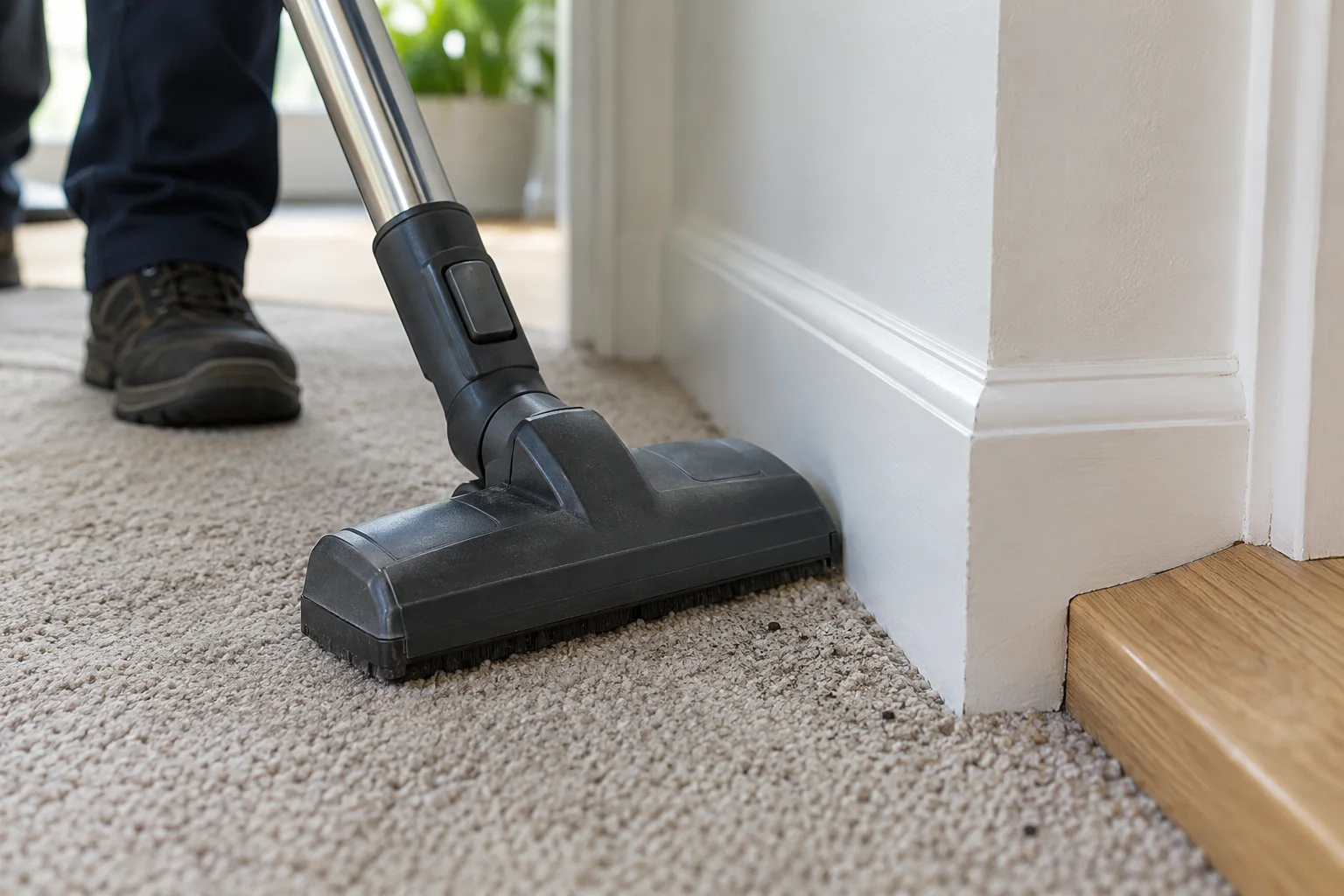
Follow the room tasks and assess textiles cautiously
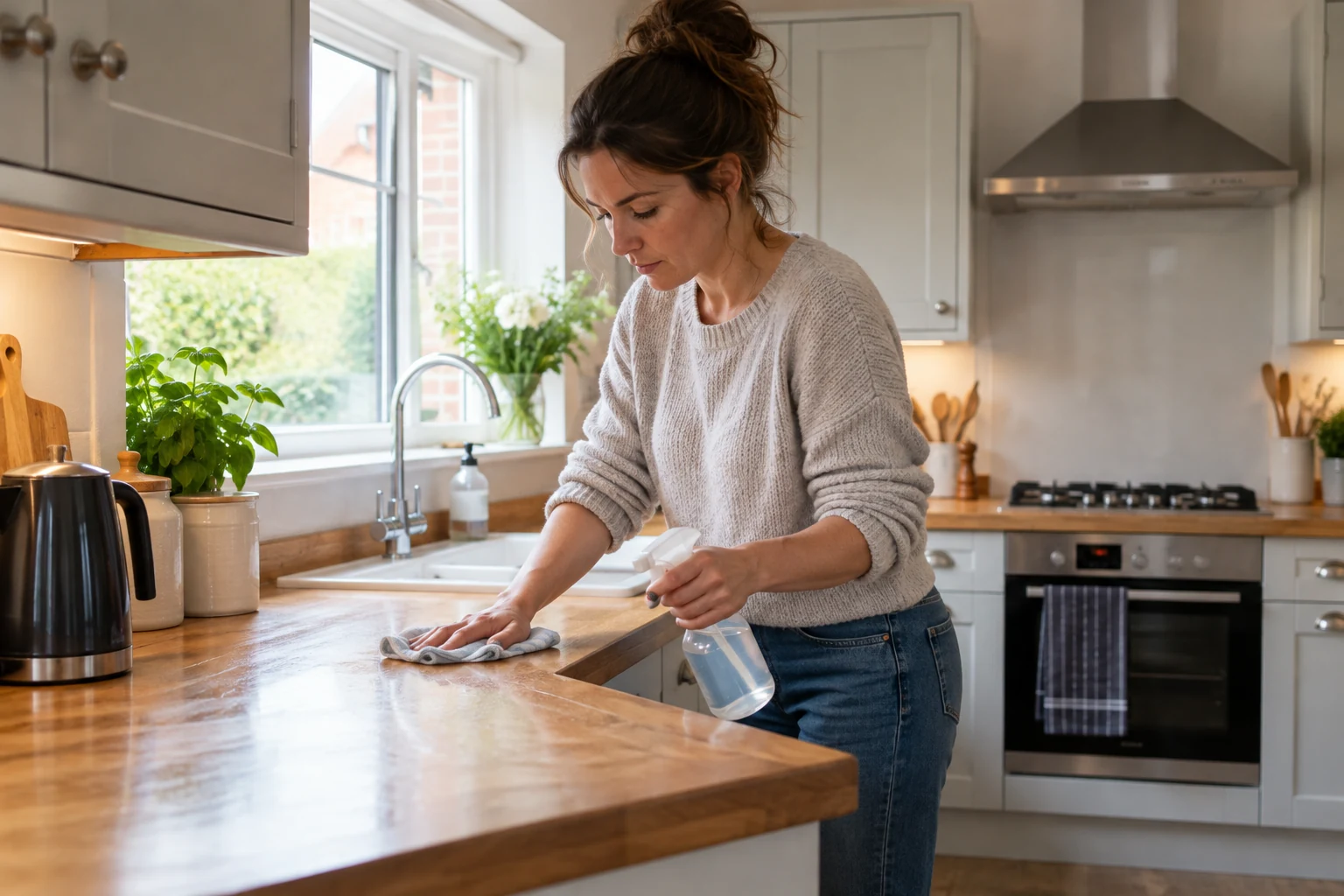
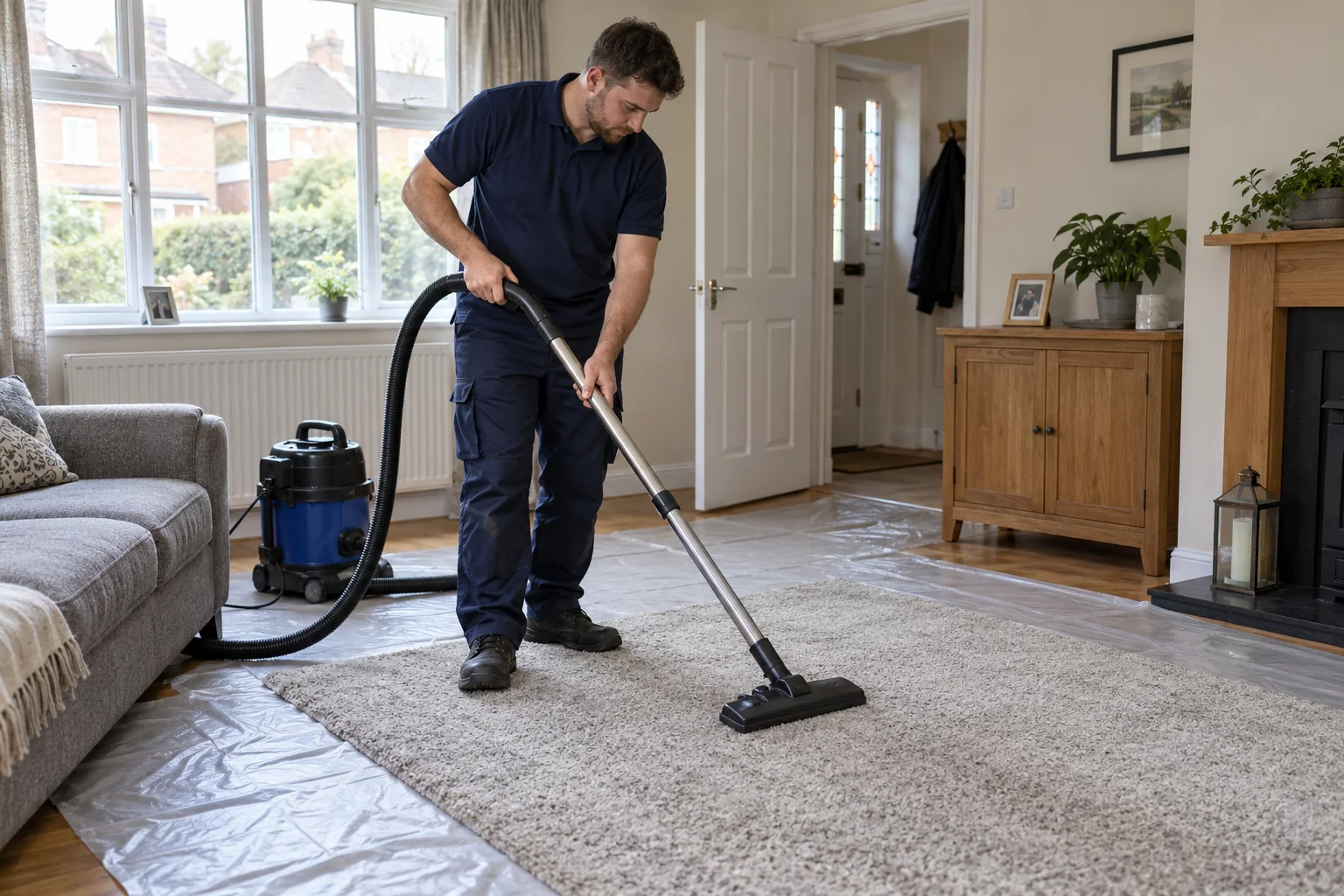
During the visit, the agreed kitchen, bathroom, storage and other room tasks should be worked through alongside reachable hair and soil. A separately agreed textile process depends on the item’s condition and care requirements. If unstable colour, a loose seam or another risk is identified, the team should discuss it before treating the item. Exact room order may change to accommodate access or drying, but the task list should make clear which surfaces were actually cleaned. One carpet concern does not automatically expand the booking to every soft furnishing.
If a permanent mark or underlay odour remains, record the limitation rather than describing it as an unperformed ordinary clean. Likewise, an old scratch or torn fabric is physical damage, not soil that should yield to a stronger product. Internal window glass can be considered where safe and agreed; exterior panes require their own access decision. A precise description of the work helps you understand which outcome was possible and which problem needs another type of service or a landlord conversation.
Inspect the specific pet items and the rest of the property
Before key return, open the included oven and cupboards, inspect bathrooms and room floors, and then revisit the named carpet or upholstery concern. Follow any drying advice before deciding what a treated textile looks or smells like. Photograph a specific missed cleaning point and contact the booking team while access remains. If an odour persists, note where it is strongest and whether it appears only after the room is closed; that may guide a separate assessment better than a broad complaint that the home is not clean.
Keep inventory evidence of pre-existing condition, details of any optional textile work and final photographs together. The cleaner can explain the agreed tasks and limits, while the landlord or agent decides tenancy and deposit matters. A full HA0 or HA9 postcode, room list and item-level pet description tie the first enquiry to the final walkthrough. This provides a useful account of what was requested without making an impossible promise that cleaning reverses every consequence of a pet living in the property.
Questions about this handover
Wembley tenancy cleaning: practical answers.
Does pet hair in a Wembley home require specialist carpet work?
Not always. Hair on hard floors and skirting differs from soil embedded in carpet fibres. Identify the exact rooms and surfaces so ordinary cleaning and any separately assessed textile process are priced correctly.
What if a Wembley pet odour persists after a surface clean?
The source may be in backing, underlay or another porous material. Explain where it is strongest and any known accident history; a visible surface treatment cannot guarantee that a deeper source is removed.
Should I include a landlord-owned Wembley sofa?
Identify it in the inventory, show the fabric label and photograph concerns. Upholstery treatment is a separate decision based on material and condition; it is not automatically part of a room clean.
Can a tenant-owned Wembley rug be omitted from the quote?
Yes, if you will take it away. Remove it before the appointment so the floor beneath can be assessed. A rug that belongs to the landlord should instead be named as a distinct item.
How should I prepare my pet for a Wembley cleaning visit?
Arrange for the animal to be safely elsewhere, and remove bedding, bowls, litter and toys. This gives the team access to floors and surfaces without handling personal pet items.
Can a Wembley carpet stain be guaranteed to disappear?
No. Fibre, dye, age and the substance causing the mark all affect results. Send photographs and request an assessment; cleaning may improve soil while permanent staining or wear remains.
What if a Wembley doorframe is scratched by a pet?
Record the damage for the agent and compare it with the check-in inventory. The cleaning team can address reachable dirt on the frame, but filling or repainting scratches is repair work.
Does Wembley carpet treatment affect the key-return time?
It may require a drying period depending on the material and process. Ask for guidance when the specific item is assessed, and leave enough time before the agent’s inspection to review the result.
How do I compare a Wembley pet-related textile treatment with the rest of the clean at checkout?
Check the ordinary kitchen, bathroom and storage tasks as well as the named pet-related surfaces. Follow textile drying advice, and photograph a particular missed cleaning point while property access remains available.