
Move Out Mates / Whitechapel
End of Tenancy Cleaning in Whitechapel
A Whitechapel property with natural stone, timber or an uncertain floor finish needs a careful scope before the first product is used. A mark that looks like dirt may be etching, wear or an old repair.
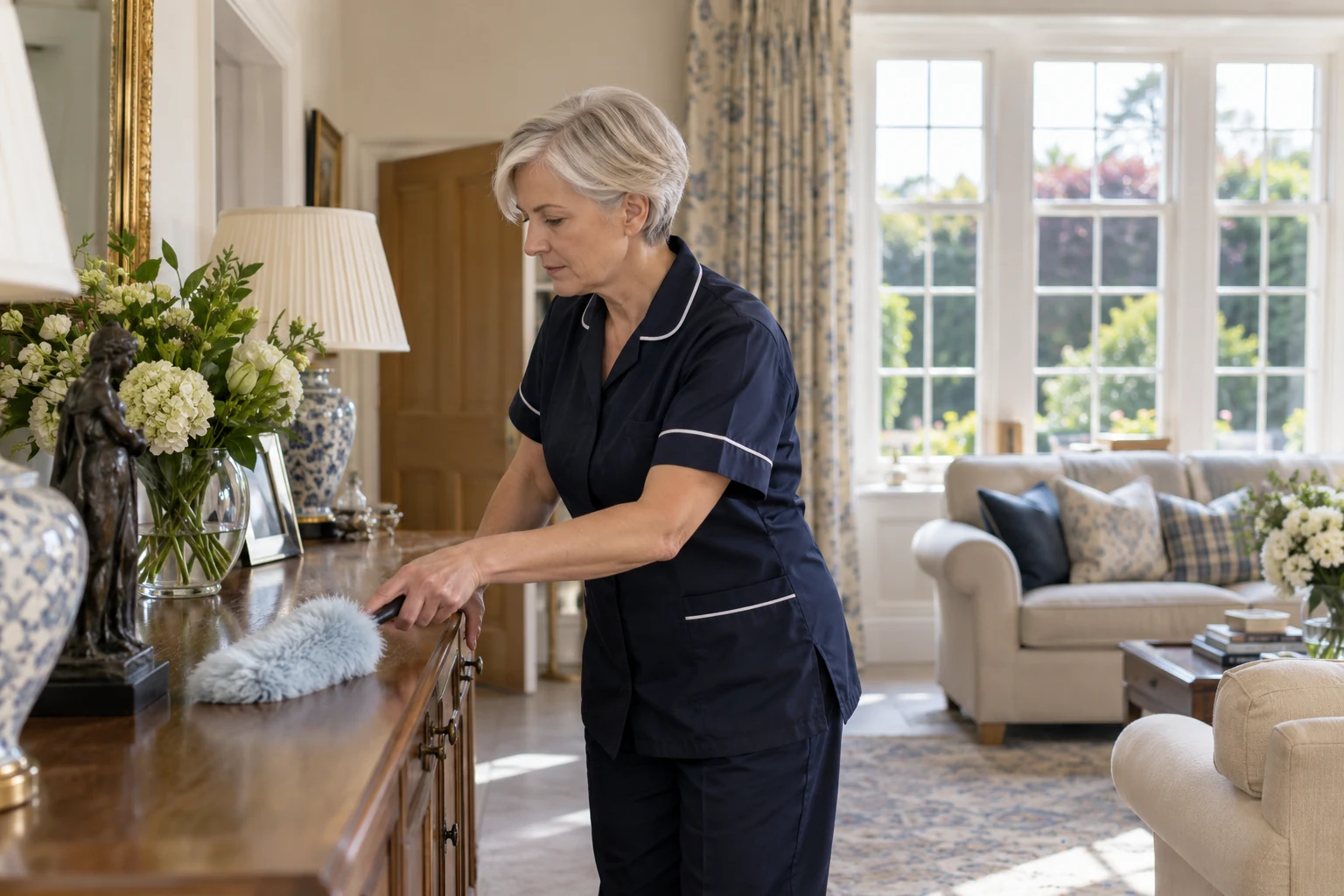
Identify the material beneath the mark
Identify the surface, send photographs and share any care advice from the landlord. Many Whitechapel addresses are in E1; give the full postcode for your property, not just that district. With the inventory, room list and moving date, we can discuss a general tenancy clean that respects sensitive materials and makes clear where a surface needs specialist assessment rather than stronger scrubbing.
Tell us whether the floor is stone, sealed timber, engineered board, laminate or a lookalike material; if you are uncertain, say so. Do the same for worktops and bathroom surfaces. A close photograph of a stain should be paired with a wider room view and any product information you have. A cleaner can choose a cautious approach only with a reasonable understanding of the material. An acid or abrasive treatment that removes residue from one surface can damage another. The visit should not be sold as restoration of a finish that has already changed chemically or physically.
Compare sensitive areas with the check-in inventory and photographs. Note scratches, dull patches, chips and old marks, then separate them from recent spill residue or ordinary soil. If you have used a descaler, polish or oil, disclose it; previous treatment can affect what is safe next. The team can assess accessible dirt within a suitable cleaning method, but cannot repair an etched stone surface or refinish a timber floor. A candid condition record is particularly useful when the agent later judges a surface that may not appear new even after it is clean.
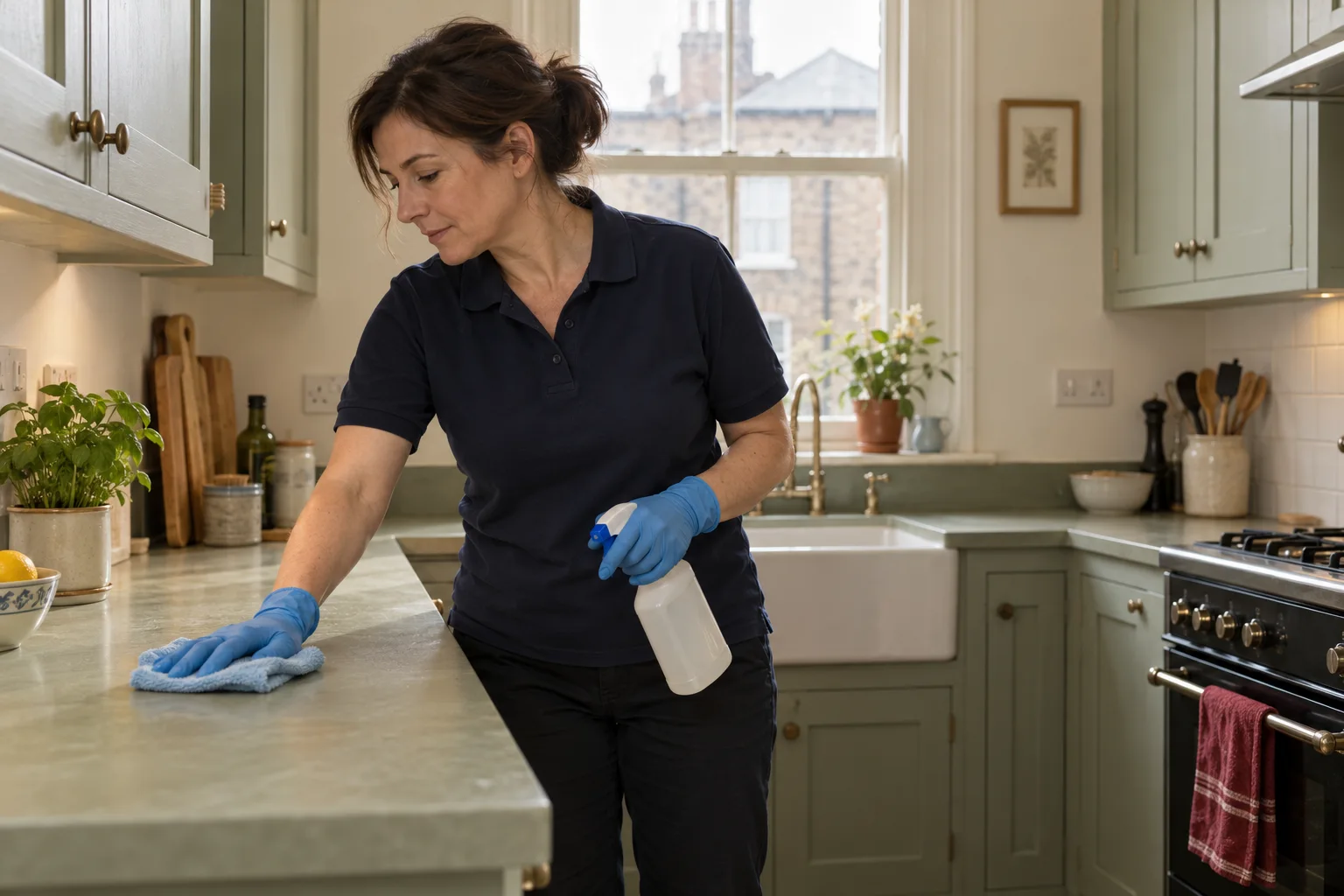
Build the quote around the full tenancy, not one finish
Give the complete E1 postcode, property size, number of bathrooms, move-out date and photographs of the kitchen, shower and sensitive areas. Identify appliance and cupboard interiors, reachable internal windows and any furniture that remains. Published starting prices are £150 for a studio or one-bedroom home, £180 for two bedrooms, £220 for three and £260 for four; the final Whitechapel quote depends on condition, access and extras. Delicate materials may change the discussion, but the oven and bathrooms still need to be considered as ordinary checkout tasks.
Ask for the agreed rooms and tasks in writing, with any material limits made explicit. If the agent asks for carpet extraction, upholstery or exterior window cleaning, request separate assessment rather than assuming they are included. Rubbish removal, repairs and heavy furniture moving should not be folded silently into a general clean. A written scope gives you a chance to arrange a surface specialist if restoration is actually required and lets you check the finished work against realistic, named tasks rather than a promise that every visible mark will vanish.
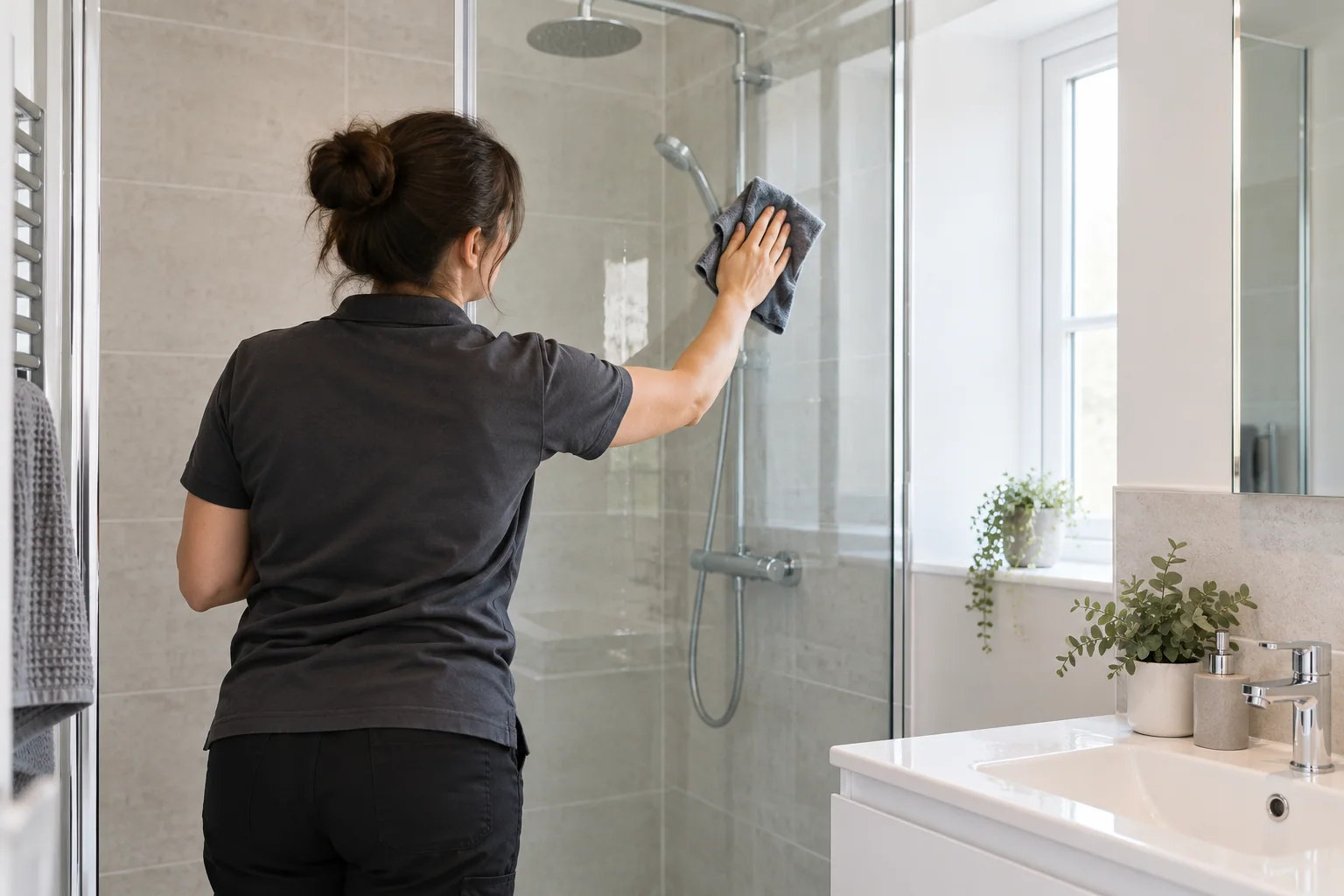
Prepare a clear property without harming the finish
Finish moving, take away food and rubbish, and empty cupboards and drawers whose interiors are included. Lift your own rugs to reveal the floor, but do not drag a heavy item across timber or stone to expose a hidden patch. If landlord furniture remains, describe what can be reached around it. Keep water and electricity available. If freezer interior cleaning is agreed, follow its defrosting instructions and manage the water. The team should arrive to accessible surfaces, not a room where belongings must be sorted before any safe cleaning can begin.
Leave material-care instructions or the landlord’s product restrictions with the booking details. Flag recently sealed stone or newly oiled timber and the curing advice given. Arrange keys and a contact who can answer a question about the finish. If a repair or sanding job is planned, try to complete it before the final clean; later work can put dust back on finished surfaces. A gap after removals and before key return allows the clean and your inspection to take place without forcing an unsafe shortcut on a delicate material.

Work through rooms while respecting the material assessment
The team can follow the agreed kitchen, bathroom, storage and room tasks, treating sensitive floors and counters according to their assessed condition. The exact sequence may change with access and drying. If a mark appears to be wear or damage rather than cleanable soil, it should be identified rather than attacked repeatedly with a stronger product. The same applies to uncertain sealant or finish. A cautious decision on one stone surface does not excuse an omitted agreed oven or cupboard task elsewhere; the list should still guide the whole visit.
Internal windows and sills can be considered where safely reachable and included; outside faces above a drop require separate access. A carpet stain may need a different service and may still be permanent. Keeping these limitations visible helps you understand the distinction between ordinary tenancy cleaning, specialist restoration and repairs. It also prevents a shiny but damaged-looking worktop from becoming an argument over whether the entire property was cleaned. Each named area can be checked on its own terms.
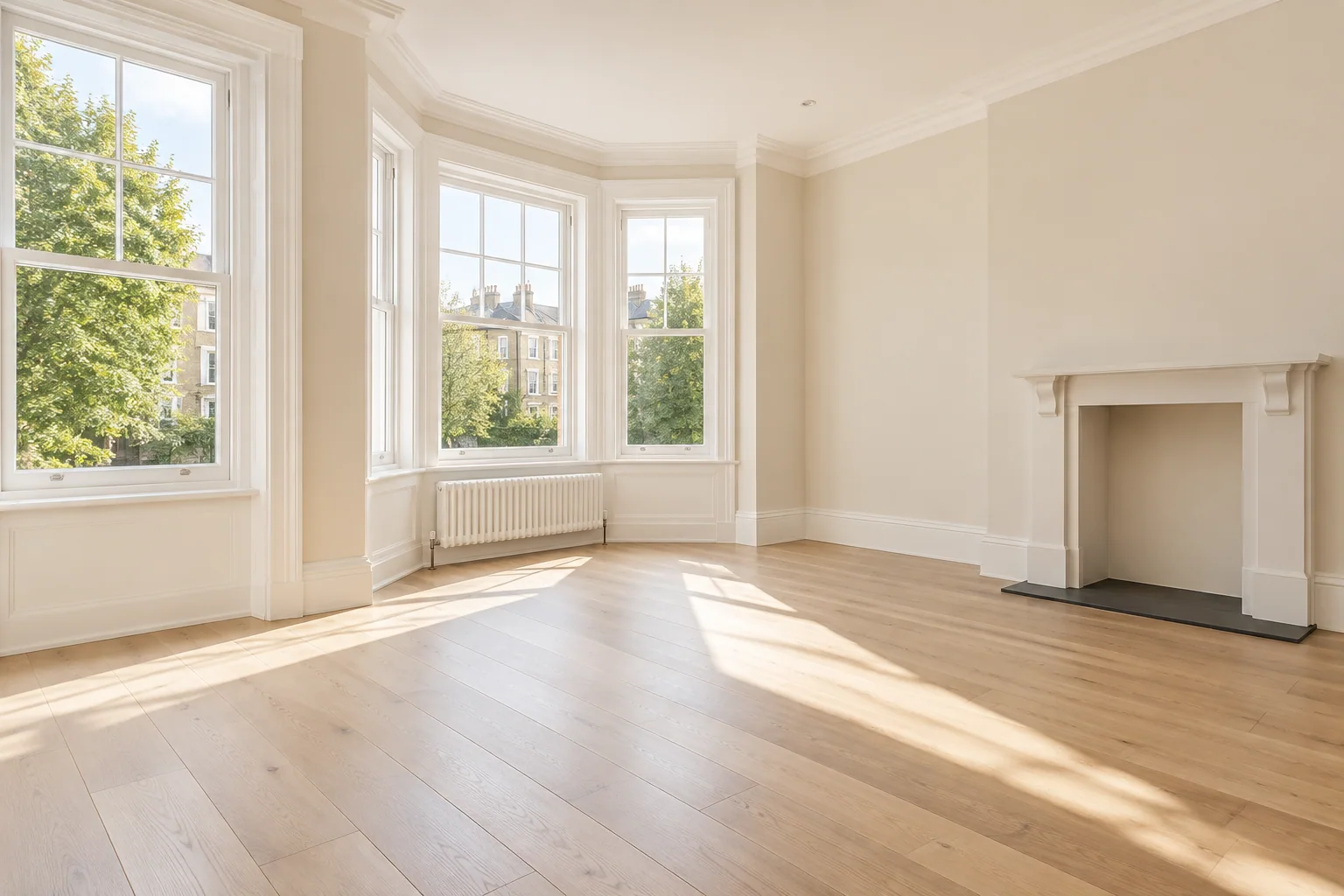
Judge the clean against condition evidence
Before returning keys, open included cupboards and appliance interiors, inspect bathrooms and look at reachable floors and counters in normal light. Compare delicate materials with the check-in photographs rather than expecting every old mark to disappear. If a specific agreed cleaning task was missed, photograph its room and surface and contact the booking team while you still have access. If a finish remains etched or scratched, record that for the agent or a surface specialist instead of treating it as proof that another general wipe is needed.
Keep the inventory, written scope and checkout photographs together. The cleaner can account for tasks completed and areas left untreated because the method was unsafe; the landlord or agent makes the tenancy and deposit decision. The full E1 address and material information connect the first call to the actual visit and final review. A useful outcome is a home cleaned within the agreed safe limits and a clear record of anything that cleaning could not repair, not an unsupported promise of restoration.
Questions about this handover
Whitechapel tenancy cleaning: practical answers.
Why should I identify a Whitechapel worktop before cleaning?
Natural stone and stone-effect materials can respond differently to chemicals. Send care guidance or explain uncertainty, with photographs of marks, so the team can consider a cautious method rather than assume all counters tolerate descaler.
Can Whitechapel etched stone be restored in a tenancy clean?
Etching is an altered finish, not simply surface dirt. A suitable clean may remove surrounding soil, but polishing or restoration requires a separate assessment. Keep the condition note with your inventory evidence.
What if I used a strong product on Whitechapel timber?
Tell the booking team which product and when it was applied. Residue or altered coating may affect what is safe next; the team should not add another treatment without understanding the material and its condition.
Should I lift my own rug from a Whitechapel floor?
Remove it before the visit so the underlying surface can be inspected and cleaned where agreed. Do not drag heavy furniture over the exposed material; record any area that will remain inaccessible.
Can a Whitechapel cleaner distinguish scratches from soil?
Photographs and material guidance help, but check-in inventory evidence is important for condition history. The team can discuss accessible cleaning and note a limitation; it cannot decide whether an old scratch is a deposit matter.
How should I quote a Whitechapel home with delicate finishes?
Give the full E1 postcode, room list, appliance interiors and photographs of stone or timber alongside normal kitchen and bathroom condition. Ask for safe cleaning limits and any restoration need to be stated separately.
What if Whitechapel stone was sealed recently?
Provide the sealant and curing instructions from the contractor. The team may need to avoid the surface until it is ready; rushing a final clean should not risk damaging a new treatment.
Are Whitechapel high outside panes part of safe room cleaning?
Not automatically. Show the window opening and height, and request exterior access separately if the agent requires it. Internal glass reachable from the room is a different task.
What should I compare at a Whitechapel material-sensitive checkout?
Open included cupboards and appliances, then inspect counters and floors against the check-in condition evidence. Report missed cleaning with a location; keep etching, chips or worn coatings on a separate agent note.